You know what’s wild? When I was a kid, I thought medicine was just about popping pills and hoping for the best. Like, open your mouth and let’s see what happens! Fast forward to today, and it feels like we’re in some sci-fi movie with all these new advancements in pharmacology.
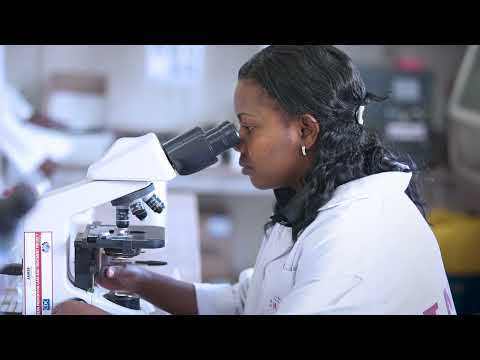
Imagine scientists playing around with tiny lab coats, figuring out how drugs work inside our bodies. Seriously! They’re not just guessing anymore. These days, they’re using live models to really understand the nitty-gritty of how meds affect us.
In vivo pharmacology is like peeking behind the curtain of drug development. It’s where the magic happens. Picture researchers tracking real-time effects of drugs on actual living beings, making discoveries that could change lives.
So yeah, if you’ve ever taken a pill or sipped on cough syrup wondering how it all works inside you, keep reading. We’re about to unpack some pretty cool stuff!
Key Advancements in In Vivo Pharmacology: Transforming Drug Development Strategies
In vivo pharmacology is, like, a super crucial part of drug development. It’s all about studying how drugs behave inside living organisms. This helps scientists understand how effective a drug might be, and if it’s safe for humans or animals.
One major advancement in this field has been the use of advanced imaging technologies. Techniques like PET scans and MRI allow researchers to see what happens in real-time when a drug enters the body. Imagine being able to watch the drug travel through organs or even see how it interacts with tumors! That’s not just cool; it’s a game-changer for finding out what’s working and what isn’t.
Another big deal is the development of animal models. These aren’t just any animals but specially designed ones that mimic human diseases closely. For instance, researchers create mice with cancer to test new treatments. This means they can get closer to understanding how a new cancer drug might work in humans. Knowing that these models give better predictions of human reactions makes them invaluable.
Then there’s the whole area of bioinformatics. With tons of data swirling around now, using computers to analyze genetic information from patients helps pinpoint which drugs might work best for individuals. It’s like having a personalized map that leads directly to the right treatment! This approach could make clinical trials more efficient by focusing on likely successful therapies straight away.
Also, let’s not forget about microdosing studies. Researchers are now testing super tiny doses of drugs in humans to observe effects without risking their health. This method provides early insights into how a medication behaves without exposing participants to full doses yet—smart, right?
And speaking of smart solutions, organs-on-chips technology is making waves too. These miniaturized systems mimic human organs on tiny chips and can simulate drug response without needing whole animals! Picture tiny lungs or hearts made from human cells reacting to medications—that’s next-level stuff!
All these advancements are steering drug development into an era where treatments can be more targeted and less trial-and-error based. It’s like trading in an old map for GPS; you get precise directions instead of guessing where you’re going.
The future looks promising with these strategies reshaping pharmacology! Scientists are hopeful that these innovations will lead us closer than ever to safer, more effective medications. So yeah, keep an eye on this field—it’s evolving fast and changing lives along the way!
Cutting-Edge Innovations in In Vivo Pharmacology: Transforming Drug Development Strategies
In vivo pharmacology is a big deal in the world of drug development. It’s all about studying how new drugs work inside living organisms, usually in animal models. These studies are crucial because they give us insights into how the body responds to medications. Basically, you can think of it as testing your recipe on a family member before serving it to guests.
One of the most exciting innovations in this field is **drug delivery systems**. These systems are like smart taxis for medication that ensure drugs reach their target effectively. For instance, you might have heard about nanoparticles or liposomes—tiny vehicles that can carry drugs directly to cancer cells while minimizing side effects on healthy tissue. This is a game-changer because it can improve treatment outcomes and reduce the unpleasant side effects patients often face.
Another cool advancement has been the use of **genetically modified animals** in research. Animals like mice can be tweaked at the genetic level to better mimic human diseases. This means scientists can study disease progression and test new treatments more accurately than ever before. Imagine a mini-laboratory where researchers are getting closer to real human responses every day!
Moreover, there’s this thing called **biomarkers**, which are basically signals that show whether a treatment is working or not. New technologies let scientists find these biomarkers much more efficiently, making it easier to track how well a new drug performs in real time during clinical trials.
With advancements in **imaging technologies**, researchers can now visualize drug distribution and effects within living organisms non-invasively! You know those sci-fi movies where people see inside bodies? Well, sort of like that—imagine being able to watch how a drug moves through tissues using techniques like PET or MRI scans! So slick, right?
And here’s something really neat: **organ-on-a-chip technologies**! These miniaturized systems mimic human organs and allow researchers to observe pharmacological responses without needing extensive animal testing. It’s kind of like having your own little universe of human biology at your fingertips.
To wrap it up, the realm of in vivo pharmacology is buzzing with life-changing innovations. From smarter drug delivery methods and genetically modified animals to cutting-edge imaging techniques and organ-on-a-chip technology—the future looks bright for developing safer and more effective medications! Isn’t science just awesome?
Key Advancements in In Vivo Pharmacology for Drug Development: Insights from 2021
Oh, in vivo pharmacology—it’s a big deal for drug development! Basically, it’s all about studying drugs in live organisms. In 2021, there were some pretty cool advancements that really pushed the envelope. Let’s break it down, alright?
First off, animal models have gotten a serious upgrade. Researchers are now focusing on more precise and relevant models to better mimic human diseases. Think of it as having a more reliable test buddy. Instead of just using mice for everything, scientists are using additional species and even genetically modified animals to get a clearer picture of how a drug might work in humans.
A major area of focus has been on personalized medicine. This means tailoring treatments based on an individual’s genetic makeup and specific disease characteristics. Using **in vivo** techniques, researchers can see how different drugs perform in different genetic backgrounds. For instance, when testing cancer therapies, understanding the tumor’s unique profile can help find the most effective treatment!
Then there’s imaging technology. It’s like putting on special glasses to see what’s going on inside living organisms without doing surgery or other intrusive methods. New imaging tools let scientists visualize the pharmacokinetics—the way drugs move through the body—in real-time! This helps in understanding where drugs go and how long they stick around.
Dosing strategies have also evolved. Instead of just throwing a dosage at a test subject and hoping for the best, advancements now allow for more sophisticated dosing regimens that can adapt over time. Personalized dosing models can change based on responses seen during experiments. Imagine if your medicine could adjust itself depending on how you feel!
Another game-changer is organ-on-a-chip technology. These tiny devices simulate biological responses by mimicking human organs’ functions. Picture miniature lungs or hearts that respond just like they would inside you! They allow researchers to study drug effects more accurately than traditional methods ever could.
Lastly, let’s talk about data integration. With big data, scientists can now analyze vast amounts of information from multiple sources simultaneously—think of it like gathering all your friends’ opinions before planning a weekend trip! By integrating clinical data with research findings from **in vivo** studies, this approach enhances decision-making in drug development processes.
So yeah, those 2021 advancements in **in vivo** pharmacology have really set up an exciting future for drug development! Whether it’s through better animal models or high-tech tools like organ-on-a-chip systems, each step helps bring us closer to safer and more effective medications for everyone out there who needs them!
You know, when we think about drug development, it’s like this massive puzzle that’s constantly evolving. Just a few years back, researchers were mainly looking at how drugs react in a petri dish or in isolated cells. But now? We’re really stepping up our game with in vivo pharmacology, which basically means studying drug effects inside living organisms—like animals or even humans.
I remember this one time I went to a lab tour during my college days. We walked by a room filled with tiny mice running around. It was actually kind of adorable, but also mind-blowing to think that those little creatures were helping scientists test out new drugs. Their reactions and how they metabolized those compounds give researchers so much valuable information! Imagine trying to predict how a drug will work in people based on studies that don’t involve actual living systems. It’s like trying to guess the weather without ever checking outside!
But the advancements we’ve seen lately are seriously exciting. With technologies like CRISPR and advanced imaging techniques, researchers can now see how drugs interact with living tissues in real-time. This means they can better understand side effects and effectiveness before hitting humans with these compounds.
One of the coolest aspects is that it’s not just about finding new medicines; it’s also about personalizing treatments. Like, let’s say you have two people with the same condition—one might respond super well to a certain drug while another doesn’t at all. In vivo pharmacology helps tailor therapies based on individual responses by studying diverse biological backgrounds.
Of course, there are ethical considerations too. Balancing animal welfare with scientific progress is tricky business. People have such strong feelings about using animals for research; it’s definitely something we need to keep discussing as science moves forward.
Anyway, as much as there’s still work to do—like refining methods and ensuring everything is super ethical—the journey of in vivo pharmacology is an inspiring one! It has the potential to change lives dramatically and opens doors for us understanding diseases better than ever before even if it’s through experiments on those cute little mice!