You know that feeling when you really need a medicine, and you just hope it’s safe? Like, you’re not just taking a random candy, right? Well, here’s the thing: behind every pill or syrup is this super cool world of pharmaceutical microbiology.
Imagine tiny microbes doing their thing, working behind the scenes to make sure your meds don’t go all funky on you. It’s like having a secret army of tiny helpers keeping everything in check! Seriously, it’s wild how much these little guys impact our health.
When it comes to drug safety, these advances in microbiology are nothing short of revolutionary. They’re changing the game—making treatments safer and more effective than ever before.
So sit tight! We’re about to explore some pretty incredible stuff that might just change how you look at your meds.
2022 Advances in Pharmaceutical Microbiology: Enhancing Drug Safety Through Innovative Approaches
Alright, let’s chat about some neat stuff that went down in 2022 in the realm of pharmaceutical microbiology. It’s like a big, sprawling world of tiny organisms working behind the scenes to keep our medicines safe.
Microbiology is all about those little critters we can’t see, like bacteria and fungi. Now, these tiny guys can be both good and bad for drugs. You want the good ones hanging around when you’re trying to whip up safe medications. So here’s where all the cool advances come into play!
First, one of the key focuses has been on sterilization techniques. Seriously, keeping things squeaky clean is super important. In 2022, scientists really boosted methods that ensure drugs and medical devices are free from any harmful microbes. For example, using advanced sterilization methods like vaporized hydrogen peroxide got a lot of attention. This stuff can kill off nasties without leaving behind any chemical residues.
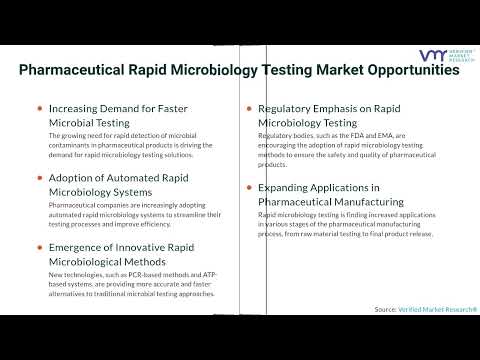
Then there’s rapid microbiological testing. Imagine being able to check for contamination in just hours instead of days! In 2022, researchers developed faster tests that help detect bacteria much quicker than traditional methods. This means if something’s gone awry in a drug batch, they catch it before reaching your pharmacy shelf. Pretty comforting if you ask me!
Now let’s talk about biotechnology innovations. These are fancy new ways scientists are manipulating microbes to their advantage—like harnessing certain bacteria to produce antibiotics or other beneficial compounds more effectively. It’s not just about what we can kill; it’s also about what we can use!
Another thing worth noting is the focus on quality control and risk management. Companies have been implementing stricter protocols for monitoring microbial contamination throughout production lines. By introducing robust quality assurance systems, they maintain high standards right from raw materials to finished products.
Also, remember how I mentioned bad bugs? Well, there’ve been strides made in understanding microbial resistance. With increasing concerns over antibiotic-resistant strains of bacteria creating havoc in healthcare settings, experts are getting creative with new classes of drugs or alternatives that target these resistant pathogens without causing more problems.
Lastly, let’s not forget about educating professionals in this field. Last year saw quite a few workshops and training sessions aimed at raising awareness among pharmaceutical staff regarding the latest microbiology practices and their importance for drug safety.
So there you have it! These advances in pharmaceutical microbiology aren’t just geeky science talk—they’re crucial for ensuring that every pill you take is as safe as it should be. Thanks to these innovations from 2022, we’re moving closer to a future where drug safety is second nature!
Cutting-Edge Advances in Pharmaceutical Microbiology: Ensuring Drug Safety and Quality
Pharmaceutical microbiology is like the dedicated guardian of medicine. Its job? To keep our drugs safe and effective. In recent years, there’s been some seriously cool stuff happening in this field, pushing the boundaries of how we ensure drug quality.
First off, microbial contamination is the big bad wolf that we have to watch out for. When we think about drugs, it’s essential they don’t get spoiled by unwanted microbes. Imagine you’re at a friend’s party, and someone accidentally spills soda on the snacks. Yikes! That’s kind of what happens if bacteria or fungi sneak into medicines. So, researchers are working hard to develop better ways to identify these unwanted guests before they can cause trouble.
One exciting advance is the use of rapid detection methods. Traditional methods can take days or even weeks to show results. But with new techniques like **PCR (Polymerase Chain Reaction)** and **next-generation sequencing**, scientists can tell within hours whether harmful microbes are present. It’s like having a super-fast detective on your team—spotting trouble before it gets too big!
Another crucial area is sterility testing. It ensures that medicines are free from contamination throughout their production process. Nowadays, companies are turning towards quality-by-design approaches. This means they’re building safeguards directly into their manufacturing processes from day one, instead of just checking for problems at the end. Think of it as cooking your favorite meal: if you take care while preparing ingredients and following the recipe, you’re less likely to burn anything.
Also important is how we handle environmental monitoring. It involves keeping an eye on everything around drug production areas—like air quality and surfaces—to catch potential sources of contamination early on. Companies now employ smart technologies that allow real-time tracking of environmental conditions using sensors. This way, if something goes off course, they know immediately rather than waiting for periodic checks.
Let’s not forget about training! There’s a real push for better education in pharmaceutical microbiology among staff at production facilities. When everyone understands the risks of microbial contamination and knows how to prevent it, it makes a massive difference in drug safety—kind of like having a well-coordinated team during a sports match.
On top of all this, there’s also research into using beneficial microbes! Some scientists are exploring probiotic strains that could actually be used to combat harmful ones in medicines or promote healing effects in patients. Imagine taking a drug that’s not only safe but also gives you an extra boost from good bacteria!
So yeah, as scientists work tirelessly in pharmaceutical microbiology’s cutting-edge area, the goal remains clear: ensure drugs are safe and effective for everyone who relies on them when they’re needed most. And with advances pushing forward every day—like faster tests and smarter manufacturing—there’s reason to feel optimistic about the future of healthcare!
Recent Advances in Pharmaceutical Microbiology: Enhancing Drug Safety Through Innovative Techniques
Pharmaceutical microbiology is the branch of microbiology that deals with the study of microorganisms in making and testing drugs. It’s all about keeping medications safe for us, and lately, some pretty exciting advances are happening. So, let’s break this down into bite-sized pieces you can chew on.
One of the main goals in this field is to ensure that drugs are free from harmful microbes. You might not think about it, but when you take a pill or get an injection, you want to be sure it’s clean, right? That’s why pharmaceutical companies are now using advanced methods like real-time PCR (Polymerase Chain Reaction). This technique helps detect bacteria and other pathogens quickly and precisely. Imagine being able to spot a bad guy in a crowd at lightning speed—yeah, that’s how cool PCR is!
Another tech that’s making waves is next-generation sequencing (NGS). This method digs deeper than just what’s on the surface. It allows scientists to analyze entire genomes of microbes found in drug products. This means they can figure out exactly what they’re dealing with. It’s like having a cheat sheet for identifying all your little microbial foes.
And then there’s automated systems for antimicrobial testing. Traditionally, testing took ages—like waiting for your favorite show to come back after a cliffhanger! But now, with automation, labs can test how well drugs fight off bacteria faster than ever before. This not only speeds things up but also increases accuracy.
Speaking of speed and accuracy, there’s also been some exciting progress in environmental monitoring. Clean environments are crucial when producing drugs because contamination can happen anywhere—think about it! Companies are using smart sensors that continuously check air quality and surfaces for any microbial presence. If anything suspicious pops up? They know immediately to take action before anything slips through the cracks.
Now let’s chat about bioburden testing. This test measures the number of viable microorganisms on or within a product prior to sterilization. Recent advancements mean we can now do this more efficiently too! Old methods could take weeks; newer approaches reduce this time significantly—think days instead!
In addition to these groundbreaking techniques, it’s important not to overlook the human element in drug safety. Training personnel on new protocols ensures everyone knows best practices when handling medications. And seriously; humans make mistakes! Having competent training programs minimizes risks associated with contamination or mishandling drugs.
A quick note: Proper regulatory frameworks play a huge role here as well. With advances happening so rapidly, regulations need to keep pace so that new tools and methods are properly validated before hitting the market.
So remember: innovations in pharmaceutical microbiology aren’t just fancy technology—they’re crucial steps toward ensuring our health safety through cleaner drugs! The next time you’re considering medication or watching an ad for the latest miracle cure, just think about all those invisible guards working tirelessly behind the scenes so you can feel better without worry.
So, you know how we totally rely on medicines to feel better? I mean, when you catch a cold or sprain an ankle, reaching for that pill can be a game changer. But behind the scenes, there’s this whole world of pharmaceutical microbiology that plays a massive role in making sure those drugs are safe and effective.
I remember this time my grandmother was in the hospital for some minor surgery. She was nervous about the antibiotics they were giving her. I totally get it; you hear all these stories about side effects and drug interactions. But then I learned about how rigorous the testing process is thanks to advances in microbiology. It made me feel calmer knowing scientists work tirelessly to make sure everything is as safe as possible.
Basically, pharmaceutical microbiology is like the watchdog of drug development. It looks at how microorganisms—like bacteria and fungi—interact with drugs and how they might affect the effectiveness or safety of those treatments. You know, it’s not just about crafting pills but ensuring they don’t go haywire once they meet our body’s wild world of germs.
One significant advance lately has been in sterility testing methods. Companies used to rely heavily on traditional culture techniques, which could sometimes take forever. Now? There are quicker methods using technology that checks for contamination more efficiently! Imagine getting results fast enough that doctors can make decisions without waiting days—it’s pretty amazing!
Also, using genetic sequencing techniques helps scientists understand microorganisms better than ever before. They can identify potentially harmful contaminants rapidly—and you know what that means? Better drug safety overall!
And it’s not just about avoiding bad bugs; it’s also about ensuring that beneficial microbes aren’t wiped out when creating or using medications. It feels like an intricate dance between preventing infections while still allowing our natural defenses to thrive.
In a nutshell, advancements in pharmaceutical microbiology are basically saving lives by ensuring that what we take is both reliable and effective while keeping us safe from hidden risks lurking within drugs themselves. And knowing all this makes me appreciate my grandma’s antibiotics a little more every time she takes them!