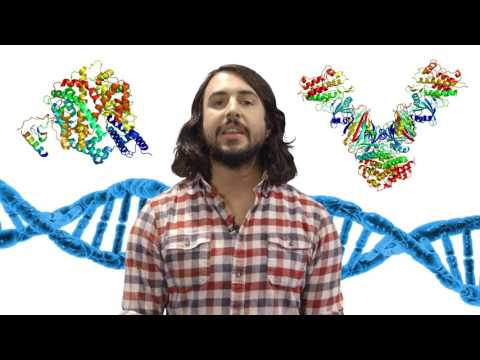
Alright, imagine this: you’re sitting in a coffee shop, sipping your latte, when you decide to dive into biochemistry. Sounds a bit wild, right? But here’s the thing—biochemistry is literally the magic behind all life!
You ever wonder what makes your morning muffin moist or how your body turns that sugar rush into energy? Well, it’s all biochemistry, my friend. It’s like being a detective but for tiny invisible molecules that are way cooler than they sound.
So whether you’re aiming to discover the next breakthrough in medicine or just curious about why bananas go brown, this stuff matters. Trust me, once you peek behind the curtain of life’s little secrets, you’ll find yourself hooked!
Let’s break it down together and get excited about what makes living things tick.
Exploring the Foundations of Biochemistry: Key Concepts and Principles in the Science of Life
So, biochemistry is like the secret sauce of life. Seriously, it’s where biology meets chemistry and they throw a party to figure out how living things work at a molecular level. Let’s break this down into some key concepts that really lay the groundwork for understanding biochemistry.
First off, you’ve got **atoms** and **molecules**. Basically, everything around you is made of atoms—like tiny building blocks—and when they join together, they form molecules. In biochemistry, we mainly care about a few types of molecules: **carbohydrates**, **proteins**, **lipids**, and **nucleic acids**. Each of these has a unique role in supporting life.
Carbohydrates are like the energy bars for your cells. They’re made up of sugars and provide fuel for your body to function. For example, when you munch on bread or pasta, your body breaks down those carbs into glucose to keep you energized throughout the day.
Then there are proteins, which are often called the workhorses of cells because they do so many jobs! They’re made up of amino acids (you know, those little guys that come together in chains). Proteins help with everything from building tissues to speeding up chemical reactions as enzymes. Imagine trying to bake a cake without an oven—that’s how important enzymes are!
Moving on to lipids. These guys include fats and oils and are crucial for forming cell membranes—the protective barriers that keep our cellular contents safe while letting stuff in and out. Think about how oil floats on water; lipids have a special structure that allows them to create these membranes effectively.
Finally, we get to nucleic acids, which include DNA and RNA. DNA is like the instruction manual for creating life—it carries all the genetic information necessary for growth and reproduction. RNA helps translate those instructions into proteins, acting almost like a messenger in this grand biochemical narrative.
Now let’s talk about enzymes. These are specialized proteins that act as catalysts—meaning they speed things up without being consumed in the process! It’s kinda like having someone who can magically make your homework easier without taking any credit for it.
Another crucial concept is metabolism, which refers to all the chemical reactions that occur within your body to maintain life. Think about it as your body’s way of managing energy production and usage efficiently—breaking down nutrients from food or building new molecules from scratch.
Lastly, we’ve got physical chemistry principles that govern how these molecules interact with each other—like temperature effects, pH levels (which are just measures of acidity), and concentration gradients (how many particles there are in one place compared to another). It’s fascinating because even small changes can greatly affect biochemical reactions!
There’s a lot more under this umbrella than what I just highlighted here—stuff like signal transduction (how cells communicate), cellular respiration (how we convert food into usable energy), or even genetic regulation (how genes turn on or off)—but hopefully this gives you a solid foundation!
So next time you’re enjoying some pizza or thinking about what makes our bodies tick, remember—it all boils down to these tiny yet powerful molecules working together in harmony! And if you ever think science might be too complicated or dry? Just remember these basic concepts; they really make it come alive!
Exploring the 7 Key Branches of Biochemistry: A Comprehensive Overview in the Field of Science
Sure, let’s break down biochemistry—it’s pretty fascinating stuff. Biochemistry is all about the chemical processes that happen in living things. It’s like the bridge between biology and chemistry, and it’s essential for understanding how life works. So, let’s take a look at some of the key branches of biochemistry that make this field so intriguing.
1. Structural Biochemistry
This branch focuses on understanding the **structure** and **function** of biological macromolecules like proteins and nucleic acids. It’s kind of like figuring out what a building looks like from the blueprints before you even step inside. By using techniques like X-ray crystallography and NMR spectroscopy, scientists can visualize how these molecules fold and interact.
2. Enzymology
Enzymes are basically nature’s little helpers. They speed up chemical reactions in our bodies, making everything run smoothly. Enzymology studies how these enzymes work, what affects their activity, and how they can be inhibited or activated. For instance, if you think about digestion, enzymes break down food into nutrients your body can absorb.
3. Metabolic Biochemistry
Here’s where we get into the energy game! Metabolic biochemistry looks at all the biochemical reactions that happen to maintain life. Think of it as a big energy factory inside our cells where nutrients are converted into energy (ATP) through pathways like glycolysis and the citric acid cycle. It’s all about keeping things running!
4. Molecular Genetics
This branch dives into how genes work at a molecular level—like watching a movie on how traits are passed down from parents to offspring through DNA replication and expression. It connects genetics with biochemistry by studying processes such as transcription (making RNA from DNA) and translation (making proteins from RNA). It’s where you find out why you might have your mom’s curly hair!
5. Cell Signaling
Ever wondered how cells communicate? Cell signaling is all about those signals that tell cells what to do—whether it’s to grow, divide or respond to something in their environment! It involves molecules called hormones that act as messengers and respond to various stimuli outside the cell.
6. Immunology
The immune system is our body’s defense force against pathogens—kind of like having your own superhero squad! Immunology studies all those biochemical interactions involved in defending against diseases, including antibodies and antigens that play crucial roles in recognizing invaders.
7. Biochemical Techniques
This is more about the tools used for studying biochemistry itself! Techniques like PCR (Polymerase Chain Reaction), electrophoresis, chromatography—all sound fancy but they help us analyze nucleic acids or proteins in detail! They’re crucial for everything from research to medicine.
So there you go! Each branch shines a light on different aspects of life at a molecular level—bringing together chemistry and biology in this fantastic web of connections we call life! If you’re thinking about venturing into science, these branches are just ripe with opportunities to explore what makes living organisms tick—super cool stuff if you ask me!
Exploring the Highest Paid Careers in Biochemistry: Top Salaries in the Science Field
Sure! Let’s chat about some of the highest paid careers in biochemistry. It’s a fascinating field where science meets real-world applications, and it can lead to some pretty lucrative job opportunities.
Biochemists study the chemical processes within living organisms. So, that means they’re at the heart of things like drug development, disease research, and even environmental science. With a specialized skill set like that, it’s no wonder there are some impressive salaries out there.
First off, one of the top-paying jobs is **Pharmaceutical Scientist**. These pros work on developing new drugs and therapies. Here’s a fun fact: if you join a big pharmaceutical company, you can expect to earn somewhere between $80,000 and $130,000 a year! Pretty sweet deal for doing important work that helps people.
Then there’s **Clinical Researcher**. They focus on trials to test new treatments or drugs on humans to see how effective they are—kind of like being part of a medical detective story! Salaries in clinical research often hover around $70,000 to $110,000 annually. Not too shabby for being in the forefront of medical advancements!
Another standout role is **Biotech Consultant**. This gig involves advising companies on how to create or improve bio-products. You could potentially pull in upwards of $90,000 to $150,000 each year! It’s not just about knowing your stuff; it’s about being able to communicate complex information clearly.
Here are some key careers in biochemistry with their salary ranges:
- Pharmaceutical Scientist: $80,000 – $130,000
- Clinical Researcher: $70,000 – $110,000
- Biotech Consultant: $90,000 – $150,000
- Regulatory Affairs Specialist: Around $90,000
- Molecular Biologist: About $75,000 – $120,000
Let’s not forget about **Regulatory Affairs Specialists**. They ensure that companies meet all legal requirements for their products—super crucial stuff! The typical salary for this job is around $90k annually.
And if you lean towards academia or want an impactful career as a **Molecular Biologist**, those folks make between $75k and around $120k depending on experience and location.
Switching gears for a minute… I remember when I first learned about biochemistry in college. It was mind-blowing to see how tiny molecules had such huge impacts on everything from our health to the environment. That feeling of excitement never faded; it just evolved into wanting to know more about how this knowledge could lead to groundbreaking discoveries—and maybe even those high-paying jobs!
In short? If you’re eyeing a career in biochemistry or any related field, there are solid opportunities waiting with handsome salaries attached! Just keep your nose to the grindstone and never stop learning—you might just find yourself helping make the next big breakthrough (and earning quite well while doing it).
Okay, so let’s chat a bit about biochemistry. It’s like the magic bridge connecting biology and chemistry, don’t you think? Just think about it: it’s where living things meet chemical reactions. When I first stumbled upon this field back in school, I was totally fascinated. I remember sitting in class, staring at a diagram of a cell and realizing that every little thing going on inside was like an intricate dance of molecules. It blew my mind!
Biochemistry is more than just textbooks and labs; it’s the basis of understanding life itself. If you’re a future scientist—or just curious—grasping the foundations is super crucial. You start with the basics: atoms, molecules, and how they interact to form proteins, carbohydrates, lipids… you name it! So imagine cells as tiny factories where all these components work together to keep us ticking.
It feels almost poetic when you think about enzymes—the little workers speeding up reactions in our bodies! They’re like those coffee-fueled interns taking over tasks that would otherwise take forever. And without them? We’d be in serious trouble.
But here’s the kicker: biochemistry doesn’t just sit neatly on its own; it overlaps with other sciences too—like genetics! That makes things even more exciting because now you’re not only looking at how cells work but also how they pass down traits from one generation to another.
On a personal note, I once had a friend who was really sick for a while. Doctors struggled to find out what was wrong until they analyzed his biochemistry. The moment they cracked the code of his blood chemistry, treatments started working wonders! It made me realize how vital this knowledge is for health and medicine.
So as future scientists gear up for their journeys into this baffling yet beautiful field, keep that sense of wonder alive! Study those amino acids and metabolic pathways; learn why things happen at the molecular level—it all connects back to what makes us who we are. Who knows? You might be the one solving some major mysteries or making breakthroughs that could help countless others someday. And honestly? That thought alone is pretty amazing!