You know that moment when you bite into a delicious slice of pizza and think, “Wow, this is pure bliss”? Well, have you ever wondered what’s really going on in your body as you enjoy that cheesy goodness?
It’s like a mini science experiment with every bite. Enzymes are breaking down the crust, while your taste buds are having a party. Seriously, biochemistry is the behind-the-scenes hero of our everyday lives.
So, let’s take a stroll through the basics of biochemistry. Imagine it as a colorful map leading to tasty adventures and wild discoveries about how life works at a molecular level. Sounds fun, right?
Whether you’re just curious or want to engage others in the magic of science, understanding biochemistry can make those moments—even pizza ones—so much richer. Ready to explore what’s cooking in the world of tiny molecules?
Understanding the Foundations of Biochemistry: Key Concepts and Principles in the Field of Science
Biochemistry is like the secret sauce behind all living things. It’s where biology meets chemistry, and it’s super cool to think about how tiny molecules come together to create the incredible complexity of life. So let’s break down some key concepts that are essential for grasping the basics of biochemistry.
Protein Structure and Function
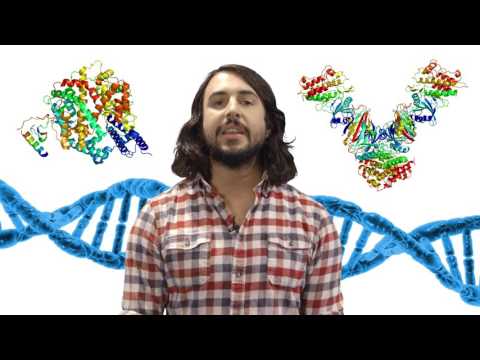
Proteins are often called the workhorses of the cell. They do everything from speeding up chemical reactions to providing structural support. The thing is, proteins are made up of smaller units called amino acids. There are 20 different amino acids, and how they’re arranged determines how a protein folds and what it does. Imagine building a Lego tower—if you change just one block, the whole thing might look different or not work at all!
Nucleic Acids
Next up are nucleic acids, like DNA and RNA. These molecules store and transmit genetic information. DNA is kind of like a cookbook that tells our cells how to make proteins. It has a unique structure resembling a twisted ladder, often referred to as a double helix. RNA, on the other hand, can be thought of as a chef’s assistant that reads the recipes in DNA and helps make proteins according to those instructions.
Enzymes: The Catalysts
Enzymes are specialized proteins that speed up chemical reactions within cells without getting used up in the process. Think of them as super-smart facilitators at a party—they help everything run smoothly! For example, the enzyme lactase breaks down lactose in dairy products for folks who can digest it; if someone doesn’t produce enough lactase, they might experience discomfort after eating ice cream—literally!
Metabolism: Energy Transformation
Then we have metabolism, which is all about how organisms convert food into energy. It’s divided into two main categories: catabolism (breaking down molecules for energy) and anabolism (building molecules). For instance, when you eat carbohydrates, your body breaks them down into glucose through catabolic pathways. Later on, your body uses that glucose to build more complex molecules during anabolic processes.
In biochemistry, **the interactions between these components** allow life as we know it to exist—it’s all connected!
Just thinking about these processes makes it clear how incredibly intricate life is at such a small scale! Each molecule plays its part in this grand symphony of biology and chemistry—it’s both beautiful and mind-boggling at the same time! And if you regard health conditions or diseases? You start seeing where disruptions in these basic processes can lead to issues like diabetes or genetic disorders.
So yeah, diving into biochemistry opens up a window into what makes life tick! It’s not just science; it’s really understanding what it means to be alive in this universe!
Exploring the 7 Main Branches of Biochemistry: A Comprehensive Guide to This Dynamic Field of Science
Biochemistry is like the secret life of cells, unraveling all the tiny wonders happening in our bodies. This field combines biology and chemistry, focusing on *how living things work at a molecular level*. Think of it as trying to understand the recipe behind life itself. It’s fascinating and complex, but I promise to break it down for you!
1. Structural Biochemistry
This branch dives into the structures of biological macromolecules. Proteins, nucleic acids, carbohydrates—they all have unique shapes that influence their functions. You can imagine this as studying how a key fits into a lock; if the shape doesn’t match, it just won’t work!
2. Enzymology
Here’s where things get cool: enzymes are like super-efficient little machines that speed up chemical reactions in your body. Without them, we’d barely get through our day without turning to stone! Enzymology explores how these proteins work, their mechanisms, and factors affecting their activity. Pretty crucial stuff for everything from digestion to DNA replication.
3. Metabolism
Metabolism is about all those *chemical reactions* that keep us alive—breaking down nutrients for energy and building up necessary molecules for growth and repair. You know when you eat that big slice of pizza? Your body breaks it down into energy through various metabolic pathways like glycolysis and the citric acid cycle.
4. Molecular Genetics
This branch connects biochemistry to genetics by looking at the biochemical processes involved in gene expression and inheritance. It’s what explains why your eyes might be blue or brown based on your family tree! Molecular genetics studies DNA structure and function—like how genes are read and turned into proteins.
5. Cell Signaling
Ever wonder how cells communicate with each other? That’s what cell signaling is all about! Cells use various molecules called signaling compounds (think hormones) to send messages back and forth—sort of like text messages between friends—helping coordinate responses within an organism.
6. Clinical Biochemistry
Now we’re getting practical! Clinical biochemistry applies knowledge from biochemistry to medical science—think blood tests or diagnosing diseases based on chemical imbalances in your body. This branch helps healthcare professionals understand metabolic disorders or even monitor health conditions.
7. Biotechnology
Finally, we have biotechnology, where biochemistry meets technology for innovative solutions! This area focuses on developing products using living organisms or their components—for example: creating insulin using bacteria or developing biofuels from algae.
So there you have it—the seven main branches of biochemistry! Each plays a crucial role in understanding not just how life works but also in improving health care, agriculture, and even environmental issues we’re facing today. Think about it: every time you eat a meal or take a breath, there’s some wild chemistry happening behind the scenes keeping you alive and well! Don’t you find that truly mesmerizing?
Essential A-Level Subjects for Pursuing a Degree in Biochemistry: A Comprehensive Guide
So, you’re thinking about diving into biochemistry, huh? That’s awesome! It’s one of those fascinating fields that really connects biology and chemistry. If you’re aiming for a degree in biochemistry, there are some essential A-Level subjects you’ll want to consider. Let’s break it down.
First off, Chemistry is pretty much a must. It’s like the heart of biochemistry, right? You’ll need a solid grasp on both organic and inorganic chemistry. Why? Because understanding how molecules interact and change is key to everything from metabolism to genetic processes.
Next up is Biology. Seriously, this one helps you get into the nitty-gritty of living systems. You’ll get to explore cells, genetics, and bioenergetics, which are super important for any future biochemist. Plus, if you’ve got a passion for life sciences already, this will make your A-Level studies even more engaging!
Now let’s sprinkle in Mathematics. Yep! I know what you might be thinking: math can seem intimidating at first glance. But it’s crucial for things like data analysis and understanding quantitative methods in experimental research. Just imagine trying to figure out reaction rates or concentrations without some number-crunching skills—yikes!
Don’t forget about Physics, either. It might not seem directly related at first, but concepts like energy transfer and thermodynamics play a big role in biochemical reactions. Understanding these principles can give you insights into how reactions function on a molecular level.
Lastly, consider taking an A-Level in Further Mathematics if that fits your interest and school options. While it isn’t always essential, it can set you up nicely for the analytical challenges you’ll face later on.
In summary:
- Chemistry: The backbone of biochemistry.
- Biology: Essential for understanding living systems.
- Mathematics: Crucial for data interpretation.
- Physics: Helpful for grasping underlying principles.
- Further Mathematics: Enhances analytical skills (optional).
You might be asking yourself if all this really matters? Well, every piece plays its part in crafting a strong foundation for your future studies! Picture yourself learning about complex biochemical pathways or designing experiments to explore cellular functions—it’s exhilarating!
So yeah, as you prepare your A-Level path towards biochemistry, focusing on these subjects will definitely set you up for success down the road. And who knows? One day you could be contributing to groundbreaking research that changes our understanding of diseases or paving the way for new treatments! How cool is that?
Biochemistry is seriously one of those topics that seems super complex, right? But at its core, it’s really about understanding the stuff that makes life tick, like proteins, sugars, and nucleic acids. Imagine you’re in a cozy coffee shop with your best friend—the coffee’s hot, the vibe’s chill—and you start talking about all this cool stuff that happens inside living things.
When I first got into biochemistry, I was kind of overwhelmed. You know? I thought it would be all boring lectures and equations. But then it hit me—biochemistry is basically the story of life! Each molecule has a role to play in this dramatic play called biology. For example, proteins are like tiny workers doing all sorts of jobs in our bodies—building muscles or fighting off germs. It’s wild to think about how much they contribute to everything we are and do!
So let’s chat about scientific engagement for a second. Imagine you’re at a party and someone starts rambling on about biochemistry using all those fancy terms nobody understands. Boring! Instead, if you break it down into everyday terms—even telling a funny story about how enzymes speed up reactions like those clumsy friends who are always late but magically get things done just in time—you’ve just made science relatable.
Engaging others with biochemistry isn’t just about facts; it’s also about making connections. Remembering why this stuff matters makes a world of difference! Like how understanding glucose can help manage diabetes—it hits home when you realize it affects people you care about.
In conversation, you can turn scientific jargon into relatable metaphors or fun anecdotes. Just think: if more people could see biochemistry as part of their daily lives—like cooking or exercise—we’d have more interest and curiosity flowing through our communities. That’s something I totally believe in!
So yeah, getting into the foundations of biochemistry isn’t just an academic exercise; it’s opening doors for better conversations and deeper understanding among friends and families alike. Who knew molecules could be such great icebreakers?