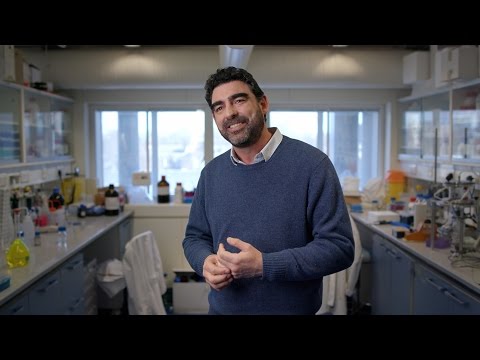
Did you know that life as we know it is basically a series of tiny chemical reactions happening all at once? Crazy, right?
Well, that’s where Nick Lane comes in. This guy is like the rock star of biochemistry. He’s not just a brilliant scientist but also someone who really knows how to share his love for science with everyone.
Imagine being the person who cracks the mystery behind how life started. That’s Lane for you! His work dives deep into the nitty-gritty of how living things tick. It’s like being a detective, but instead of solving crimes, he’s uncovering secrets about our very existence.
But he doesn’t stop there! Lane is all about outreach, making science accessible and exciting. He believes that knowledge should be shared, not locked away in dusty old books. So, whether you’re a science nerd or just curious about how you came to be, this article will shed some light on his journey through the world of biochemistry and beyond.
Exploring Key Concepts in Nick Lane’s Scientific Contributions: Insights into Evolution, Energy, and Life
Alright, let’s get into the fascinating world of Nick Lane and his work! This guy is a big deal when it comes to understanding how life and energy are connected. He’s been digging deep into biochemistry, and seriously, his insights are pretty mind-blowing.
One of Lane’s key ideas revolves around the concept of energy flow in living systems. You know how we need energy to do anything? Well, so do cells. Lane emphasizes that life isn’t just about the building blocks like DNA or proteins. It’s also about how cells harness energy from their environment. His work highlights mitochondria, often called the powerhouse of the cell, as crucial players in this energy game. Without them, cells wouldn’t have enough energy to function!
Let’s talk about evolution. Lane proposes that our evolutionary story is heavily tied to how these mitochondria evolved. Imagine early life forms without complex structures—just simple cells floating around. Over time, some of these little guys partnered up with other bacteria (like those eventually becoming mitochondria) to create more efficient energy-producing machines. This partnership was critical for developing complex life! Isn’t it amazing to think a tiny inner cell relationship could lead to all the diversity we see today?
You can also see his influence in discussions on the origin of life. He argues that understanding how energy transitions occur at a cellular level gives us insight into how life might have started. Picture it: before any complex organisms existed, there were just simple molecules reacting with each other in hot springs or underwater vents. Energy was essential here too; it’s what drove those early reactions, leading to more sophisticated forms of life.
And here comes something super interesting—Lane’s idea about the 4 billion years of evolution. It’s kind of like an evolutionary roadmap where he suggests all modern organisms trace back their ancestry through these ancient partnerships formed by bacteria and archaea. That connection across time helps explain why we share certain biological processes with even the most primitive forms of life.
If you dig deeper into his scientific outreach, you’ll notice he’s keen on making science accessible.This outreach is all about connecting complex ideas with people from all walks of life. In his books and talks, he simplifies those wild concepts without losing their essence—you really feel like you’re having a chat with a friend who just happens to know a ton about science!
The thing is, Lane encourages us not only to understand our past but also to think critically about our future. With such knowledge in hand, figuring out sustainable ways for society to harness energy becomes less daunting.
In summary:
- Energy flow is vital for cellular function, especially through mitochondria.
- Mitochondrial evolution links directly to our complex life forms today.
- The origin of life may be rooted in early cellular energy processes.
- The interconnectedness across billions of years illustrates evolution’s rich tapestry.
- Lanes’ outreach efforts make science relatable and engaging for everyone.
This exploration into Nick Lane’s contributions shows us just how interconnected everything really is! From tiny cells buzzing with energy to grand evolutionary stories unfolding over aeons—there’s always more than meets the eye when it comes to science!
Exploring Nick Lane’s Academic Journey: PhD Origins in Science
Nick Lane is quite the figure in the world of biochemistry, huh? His journey is pretty interesting, and it all started back in the day when he was figuring out what science meant to him. So, let’s take a closer look at his academic beginnings and where they’ve taken him.
Early Years and Education
Nick Lane grew up in London. He was always curious about life, nature, and how things worked. His academic path kicked off at the University of Newcastle, where he earned his degree in biochemistry. You might wonder why he chose biochemistry—well, it’s because he was drawn to understanding living systems on a molecular level.
After his undergraduate studies, he wasn’t done yet. No way! He went on to pursue a PhD at University College London (UCL). His research focused on something super cool: the mechanisms of energy transfer in cells. It sounds complex but basically, he was digging into how life gets its energy—pretty crucial stuff!
A Breakthrough Moment
During his PhD years, something clicked for Nick. He realized that understanding how cells generate energy could help explain a lot about evolution and life’s origins. Imagine having that lightbulb moment—it must have been exhilarating! This perspective shaped his future work significantly.
Once he finished his PhD in 1996, Lane didn’t just stop there. Instead of sticking purely to lab work, he ventured into scientific outreach too. He believed that sharing knowledge is just as important as discovery itself.
Contributions to Science
After earning his doctorate, Nick Lane went on to conduct research that contributed very much to our understanding of life sciences. One major focus has been on mitochondria—the powerhouses of our cells! These tiny structures are key players in energy production and metabolism.
His work revealed insights into how mitochondria not only fuel our bodies but also influence our health and aging processes. It’s mind-blowing when you think about it—these little guys are central to so much!
Writing and Communication
Lane’s passion for science communication can’t be overlooked either. He wrote several books aiming to make complex topics accessible for everyone. One notable book is “Power, Sex, Suicide: Mitochondria and the Meaning of Life.” In it, he dives deep into why mitochondria are essential—not just for energy but for life itself!
To put it plainly: Nick Lane took a scientific path filled with curiosity that led him through academia and straight into the hearts of readers eager for knowledge.
Taking Science Further
Through his journey from student to pioneering researcher and communicator, Lane shows us that being passionate about science can lead you down many paths. Whether in labs or through books, sharing knowledge transforms not just individuals but society as a whole.
So there you have it! Exploring Nick Lane’s academic origins really gives you insight into how personal curiosity mixed with rigorous study can inspire groundbreaking discoveries—and inspire others along the way too!
Exploring Nick Lane’s Contributions to Science: Unraveling Evolution and Metabolism
Nick Lane is pretty much a rock star in the field of biochemistry, especially when it comes to understanding how evolution and metabolism are intertwined. His work has really helped people grasp some complex concepts about life’s origins. So let’s dig into what he’s all about!
Lane’s research zeroes in on the idea that energy plays a crucial role in evolution. Think of it this way: without energy, life as we know it wouldn’t even exist! He emphasizes how early cells had to find ways to make energy from their environment. This isn’t just a casual observation; it’s fundamental for explaining how life adapted and evolved over billions of years.
You see, Nick Lane argues that our understanding of metabolism isn’t just about how cells process nutrients but also about the energetic constraints that shaped evolution itself. The way he puts it is all about the interplay between energy production and cellular organization. Basically, metabolism feeds into evolution like two dance partners moving in sync, and this connection is key to unraveling the mystery of life’s beginnings.
His book “Power, Sex, Suicide: Mitochondria and the Meaning of Life” dives deep into mitochondria—those tiny powerhouses inside your cells. He paints a picture of them as not just energy producers but as players in a much bigger game involving growth and reproduction. The story goes that early on, these mitochondria were free-living bacteria that got absorbed by larger cells. Instead of being digested, they created a partnership where both sides gained advantages. It’s like taking in a roommate who helps pay rent while adding their own flair to your space!
Lane also talks about the concept of metabolic processes being crucial for complexity in life forms. Simple organisms use straightforward energy methods, but more complex creatures like us? We need intricate processes to thrive! It raises questions like: How did simple life forms manage to evolve into complex beings? Well, it revolves around adaptations that help utilize available energy sources more effectively.
And then there’s his engaging style when presenting this science! Nick Lane is well-known for making biochemistry accessible and exciting—not your typical dry academic stuff at all. He takes complicated ideas and spins them into relatable thoughts that get you thinking differently about life itself.
In wrapping up this exploration of Lane’s contributions, it’s clear he has opened our eyes not only to how we evolved but also why understanding these connections matters today—like tackling modern health issues by looking back at these evolutionary processes!
So next time someone mentions metabolism or evolution, you can remember Nick Lane’s incredible insights into the framework connecting them both!
Nick Lane is a name that pops up a lot when you hear about biochemistry and evolutionary science. What’s really cool about him is not just the stuff he’s discovered but also how he shares it with the world. Seriously, it’s one thing to be brilliant in the lab, but it’s another to help others understand that brilliance.
I remember this one time, I was at a coffee shop, and there was this heated debate going on at a nearby table about evolution and how life started. It was like watching a mini science fair! People were throwing around big words, sounding all smart but, honestly? They were missing the point. The thing with science is that it’s not just for the PhDs in their ivory towers; it’s for everyone! And that’s where folks like Nick really shine.
Lane’s work focuses on the origins of life and how energy plays a part in that whole process. He makes some seriously complex ideas accessible. He doesn’t just throw data at you; he spins stories—like how simple cells evolved into complex beings because of these tiny powerhouses called mitochondria. You know, it’s like explaining why your phone needs charging to keep working without diving into all the technical jargon.
What I admire most is how he approaches scientific outreach. It’s all about making people curious, right? He has this knack for connecting with audiences through his books and talks. It reminds me of when my old biology teacher would draw sketches on the board and make us laugh while learning about DNA—it made things stick more than any textbook could.
When scientists take their knowledge outside those lab coats and engage in conversations with everyday folks, it creates this ripple effect. Suddenly, more people are curious about their own biology or even how they relate to each other at a molecular level—super cool if you think about it! Lane’s passion for teaching reminds me that science should evoke wonder and excitement—not just numbers or formulas.
So yeah, Nick Lane not only pushes boundaries in biochemistry but also emphasizes that sharing knowledge is as crucial as making those discoveries in the first place. And who knows? Maybe his work will inspire someone else to keep asking questions and seeking answers long after they’ve gotten their morning coffee!