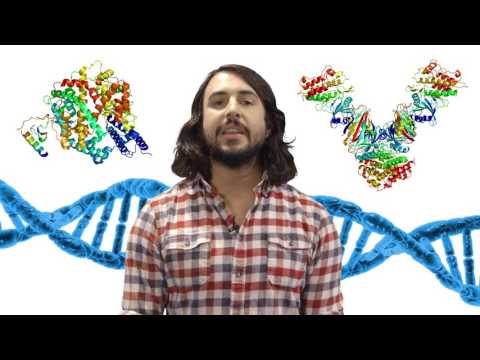
You know what’s wild? The fact that our bodies are basically tiny chemistry labs. Seriously! Every time you eat a sandwich or go for a jog, some incredible reactions are happening inside you.
So, biochemistry is like the cool best friend of biology and chemistry. It’s where the magic happens, connecting those two worlds. Imagine mixing your favorite science classes with a dash of curiosity—that’s biochemistry!
Ever wondered how a single cell can do all that amazing stuff? Well, biochemistry breaks it down to show us how molecules interact to create life. Pretty mind-blowing, right? So let’s chat about this fascinating field and see what all the fuss is about!
Understanding Biochemistry: The Essential Bridge Between Biology and Chemistry in the Science Landscape
Biochemistry is one of those cool subjects that connects two major fields: biology and chemistry. You can think of it as the magical bridge that brings together the complexities of living organisms with the principles of chemical reactions. It’s like where life meets molecules, you know?
At its core, biochemistry is all about understanding how the tiny parts inside our cells function and interact. I mean, have you ever considered what makes up our DNA? That spiral ladder shape isn’t just pretty; it’s composed of nucleotides, which are like the building blocks of genetic information! These nucleotides come together in a specific way to create codes for everything from eye color to height.
Also, let’s not overlook proteins. They’re basically tiny machines inside our bodies. They do everything from speeding up chemical reactions to helping transport oxygen in our blood. The structure of a protein determines its function, and this is where chemistry kicks in big time! It’s all about those chemical bonds—the way atoms stick together or break apart to perform tasks.
Here are some key points that illustrate why biochemistry is so important:
- Metabolism: This is how our bodies turn food into energy. Enzymes—special proteins—play a huge role here by speeding up reactions.
- Cell Signaling: Biochemical signals are essential for cells to communicate with each other. Think hormones like insulin; they help regulate sugar levels in your blood!
- Genetics: Understanding how genes work at a molecular level helps scientists tackle things like genetic disorders and diseases.
Imagine a sunny day during your childhood when you were playing outside and suddenly felt dizzy and tired. Maybe you didn’t have enough water or nutrients! That’s your body’s biochemistry going haywire because it’s not getting what it needs to function properly.
Moreover, biochemistry has real-world applications too! Researchers use it to develop medicines that can target specific molecules in diseases like cancer. By knowing how certain chemicals affect cells, they can design treatments that work much more effectively than just guessing what might happen.
In summary, biochemistry sits at this fascinating intersection where life processes meet chemical principles. It lets us peek into the tiny world inside us—a world where every reaction counts and shapes who we are. So next time you hear about something biochemical, just remember: It’s all part of the beautiful dance between biology and chemistry working hand-in-hand to sustain life as we know it!
Understanding Biochemistry: Key Differences Between Biochemistry, Biology, and Chemistry
Biochemistry is one of those topics that can totally confuse people. You might be wondering how it relates to biology and chemistry, right? Well, let’s break it down in a way that’s super easy to digest.
So, biochemistry is basically the science that combines biology and chemistry. It’s all about understanding the chemical processes that happen in living things. Imagine you’re baking a cake. You’ve got your ingredients (like flour and sugar), which are like the biological molecules, and then you’ve got the chemical reactions happening when you mix them together and bake them. That’s biochemistry in action!
On the other hand, biology focuses on living organisms and their interactions with each other and their environments. Think of biology as the big picture—like studying animals, plants, or ecosystems. It’s more about observing life forms rather than digging into the tiny details of their inner workings.
Now chemistry? That’s where it gets even cooler! Chemistry is all about substances, their properties, reactions, and transformations. It’s not limited to just living things—it actually applies to everything around us! So if you’re studying how gases interact or how metals react with acids, that’s pure chemistry.
Here’s a little way to remember this:
- Biology: The study of life.
- Chemistry: The study of matter.
- Biochemistry: The intersection where life meets matter.
So let’s say we’re looking at how our body uses glucose for energy (classic example!). In biochemistry, you’d explore how glucose is broken down in cells through chemical reactions—reactions that involve enzymes (special proteins). These enzymes help speed things up so we can get energy when we need it.
In contrast, if you were studying this under biology, you might look at how different animals use glucose differently or how plants convert sunlight into energy through photosynthesis—which involves biochemistry too but from a broader perspective.
Chemistry would come into play when examining the bonds between carbon atoms in glucose molecules or discussing acid-base reactions involved during digestion.
In short:
– Biochemistry digs deep into what makes life tick at a molecular level.
– Biology takes a broader look at living organisms.
– Chemistry focuses on the elements and compounds themselves.
To sum up, biochemistry acts as both a referee and a bridge between biology and chemistry. It’s crucial for advancements in health sciences, agriculture, genetics—you name it! And understanding these differences helps make sense of life’s complexities while appreciating how everything is interconnected! Isn’t science just wild?
Exploring Microbiology: The Science Behind Microorganisms and Their Impact on Health and Environment
Microbiology is like digging into the tiniest world ever. Seriously, we’re talking about microorganisms—those tiny living things you can’t see without a microscope. They include bacteria, viruses, fungi, and even some forms of algae. They’re basically everywhere, sneaking around in the soil, water, and yes—inside your own body!
Microorganisms and Health
Now, when it comes to health, these little guys can be both friends and foes. Some bacteria help us digest food or produce vitamins. You know that feeling when you eat yogurt? That’s those friendly bacteria doing their thing! On the flip side, not all microorganisms are good news. Some can cause diseases that really mess with our bodies. Think about how colds or stomach bugs make you feel; those germs are working overtime!
But how do these microorganisms interact with us? Well, they’re part of what’s called the human microbiome. This is a collection of trillions of microbes living in and on us! Isn’t that mind-blowing? They play a key role in our immune system too—helping to protect us from infections while keeping our own cells healthy.
Impact on Environment
On the other hand, let’s chat about how microorganisms affect the environment. Some types help break down organic matter in soil, making nutrients available for plants. You’ve probably heard of composting; it involves lots of friendly microbes munching away at waste!
But there are also harmful microorganisms that can contaminate water supplies or spoil food. Yup, nobody wants to think about getting sick from bad water or spoiled snacks! It’s wild how these tiny entities can tip the balance between health and harm.
Bacteria vs Viruses
When looking at microorganisms, it’s important to distinguish between bacteria and viruses since they behave so differently. Bacteria are living organisms—they grow and reproduce on their own—while viruses need a host to multiply. If you’ve ever had a cold or flu caused by a virus, you know how annoying they can be!
Understanding this difference helps scientists develop treatments—the classic antibiotics we use target bacterial infections but won’t touch viral ones like colds or COVID-19.
The Biochemistry Connection
Now here’s where things get interesting: biochemistry. It’s all about the chemical processes within living organisms—including our little microbial buddies! When we study microbiology, we’re actually looking at biochemistry on a microscopic scale.
Think enzymes—the “workers” in our cells—and how they break down substances during digestion. Microbes also produce enzymes that do similar jobs outside our bodies too! This connection helps scientists explore everything from disease management to environmental cleanup.
In short, exploring microbiology opens up an amazing world that impacts both health and environment massively! It reminds us just how intertwined life is—even if some parts are incredibly small.
So next time you’re munching on some yogurt or thinking about composting your scraps, remember there’s more going on than meets the eye—and it’s pretty cool!
Biochemistry, huh? It’s that cool mix of biology and chemistry, where things get really interesting. Imagine you’re in a kitchen, whipping up a dish. You’ve got biological ingredients—like proteins and enzymes—mixing with chemical processes to create something amazing, like life itself! Pretty mind-blowing, right?
So, let’s break this down a bit. Biology is all about living organisms—their structures, functions, growth, and everything that makes life tick. Chemistry? That’s more about the substances that make up all those living things and how they interact with each other. When these two worlds collide in biochemistry, magic happens! You start to understand how cells communicate, how they produce energy, or even how DNA replicates. It’s the behind-the-scenes action of every living organism.
I remember sitting in a biochemistry class once—initially zoning out because it sounded too technical. But then we started looking at enzymes. These little guys are like the master chefs of the cell! They speed up chemical reactions without getting used up themselves. Suddenly, I was hooked. It was like realizing that every bite of food I took had a whole team of enzymes working hard to keep me alive and kicking!
Biochemistry also plays a huge role in medicine. Think about how drugs work on a molecular level or why certain diseases happen when biological processes go haywire. It’s astonishing how understanding these tiny interactions can lead to big breakthroughs in treating illnesses.
But here’s something to consider: while we’re digging into complex molecules and their reactions, it’s essential not to lose sight of the bigger picture—life itself! Every reaction we study has implications for ecosystems around us and impacts our health as individuals.
There’s so much beauty in this intersection of science: the delicate balance between structure and function; it’s like dancing between atoms and cells! So yeah, biochemistry is way more than just textbooks and lab coats; it’s about the very essence of life—a reminder that everything is interconnected in this grand tapestry we call nature. Isn’t that something worth pondering?