You ever run up a flight of stairs and feel like you just ran a marathon? Yeah, that breathlessness is called dyspnoea, and it’s not just being out of shape. It’s kind of like your body’s alarm system going off.
Picture this: you’re sitting on the couch, snacks in hand, binge-watching your favorite show when suddenly you struggle to catch your breath. Kinda scary, right? Well, dyspnoea can sneak up on anyone.
But it’s also super complex. There are so many things happening in your body when you can’t breathe right. It could be anything from asthma to heart problems or even anxiety. Wild, huh?
So, let’s unpack this thing together and see what makes that pesky breathlessness tick!
Understanding the Pathophysiology of Dyspnea: Insights from Respiratory Science
Well, let’s get into this topic of dyspnea because, honestly, it can be a bit of a head-scratcher. You know that feeling when it’s tough to catch your breath? That’s dyspnea. But it’s not just one thing; it can happen for all sorts of reasons. The real kicker is figuring out what’s going on in the body when someone experiences dyspnea.
Dyspnea isn’t simply about lungs. Sure, breathing problems might make you think of the respiratory system first and foremost, but there’s so much more at play. The pathophysiology—fancy word alert!—is basically how these conditions develop and what happens in the body to make us feel out of breath.
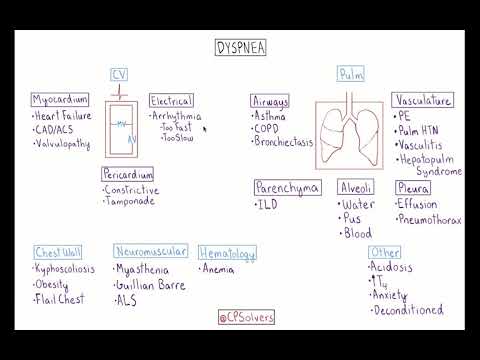
Firstly, our brains play a major role. They’re like the boss telling your body when to breathe faster or slower based on how much oxygen you need. When everything is working smoothly, you probably don’t even think about it! But if something goes wrong with the brain—like with anxiety or certain medications—it can totally mess with your breathing.
Then there are the lungs themselves. Imagine if they were like a sponge…they need to soak up oxygen from the air we breathe. If you have something like asthma or chronic obstructive pulmonary disease (COPD), that sponge gets damaged or inflamed. It doesn’t soak up oxygen well anymore, making each breath feel like a workout!
Also, let’s not forget about blood circulation. If your heart isn’t pumping blood effectively—for example, during heart failure—it means less oxygen-rich blood gets delivered throughout your body. Think about running up a flight of stairs after a long day; you’re gasping for air because your body needs more oxygen!
Now connect that back to muscle function. Believe it or not, even muscles need oxygen during physical activity! If they don’t get enough blood flow due to various conditions—like anemia—they might start crying out for help directly through that breathlessness.
So here are some key points wrapped up neatly for easier understanding:
- The brain’s role: Governs breathing rate based on body’s needs.
- Lung function: Conditions like asthma and COPD affect how well lungs absorb oxygen.
- Heart health: Poor circulation leads to inadequate delivery of oxygen-rich blood.
- Muscle’s demand for oxygen: Without enough supply during exertion, muscles contribute to feelings of breathlessness.
You see what I mean? Dyspnea is kind of a team effort between different systems in your body working together—or sometimes not quite pulling their weight! It makes treating underlying causes challenging too since it could stem from any number of issues.
But hey, if you’ve ever been winded while running or doing yoga and thought “why can’t I breathe right?”, just remember: there’s a ton happening behind the scenes that could explain why you’re feeling that way! It shows just how interconnected our bodies really are when it comes to something as essential as breathing.
Exploring the Mechanism of Action Behind Dyspnea: Insights from Respiratory Science
Okay, so let’s talk about dyspnea. It’s that feeling when it gets tough to breathe—you know? Like when you just ran up the stairs way too fast or when you’re battling a really annoying cold. But this can also be a serious symptom of underlying health issues, and understanding how it works is super interesting, trust me.
So, what exactly causes this sensation of breathlessness? Well, it comes from a mix of factors—like your body’s responses and what’s happening in your lungs and the muscles around them. Here are some key points:
- Respiratory System Role: Your lungs take in oxygen and expel carbon dioxide all the time. If something messes with that—like an infection or chronic condition—it leads to dyspnea.
- Nervous System Influence: The brain plays a huge role here. It processes signals from your body about how hard you’re working to breathe. If those signals say “Hey! Something’s wrong!” you feel that heavy air in your chest.
- Muscle Fatigue: The muscles that help you breathe can get tired too! Ever tried blowing up a bunch of balloons? Yeah, they need energy, and if they don’t get enough oxygen themselves, they can’t do their job properly.
This sensation isn’t just physical—it’s emotional too. I once saw my friend struggling to catch her breath after running a 5K for charity. It was inspiring but also kind of scary. You could see the panic on her face as she fought for air. That moment really highlighted how this isn’t just about lungs; it’s also about how we react to breathlessness.
Now let’s delve into the pathophysiology part—fancy word alert! It basically means looking at what happens in our bodies when we experience dyspnea:
- Aerodynamic Changes: In diseases like asthma or COPD (chronic obstructive pulmonary disease), the airways narrow or become inflamed, making it harder for air to flow.
- Pulmonary Mechanisms: Conditions like pneumonia can fill lungs with fluid, which directly affects breathing efficiency. It’s like trying to drink through a straw that’s half-filled with water!
- Cardiac Factors: Sometimes, it’s not even your lungs but heart issues causing shortness of breath—like heart failure. Your body is telling you something isn’t right!
The bottom line is that dyspnea involves a whole web of interconnected systems in your body acting up together. It might seem overwhelming at times but realizing this complexity helps us tackle it better medically. Plus, being aware means we can better support each other when someone struggles with their breathing.
If you’ve got more questions about breathing or anything respiratory-related, don’t hesitate to ask! The science behind our respiratory health is as vast as the air we breathe—well, kind of! So keep pondering these fascinating connections; there’s so much more beneath the surface!
Understanding the Pathophysiology of Dyspnea: Insights into Respiratory Distress Mechanisms in Clinical Science
Alright, let’s chat about dyspnea, which is just a fancy word for that annoying experience of feeling short of breath. It’s like when you run up the stairs and feel like you just can’t catch your breath, but for some folks, it happens even when they’re just chilling.
So, first off, what’s going on in our bodies during dyspnea? Well, it’s all about how our respiratory system interacts with the rest of the body. Your lungs need to exchange oxygen and carbon dioxide efficiently. When this process gets disrupted, it can lead to that gasping sensation you might know too well.
- Mechanical factors: Sometimes, it could be something blocking airflow—like asthma or a foreign object stuck in there. Think of your airways like a straw: if something gets in the way, it becomes harder to sip that refreshing drink.
- Airway inflammation: In diseases like asthma or chronic obstructive pulmonary disease (COPD), inflammation makes those airways swell up. Imagine trying to breathe through a thick blanket; it’s tough and tiring!
- Lung diseases: Conditions like pneumonia or pulmonary fibrosis change how well your lungs can work by affecting lung tissue or fluid buildup. It’s kind of like filling a sponge with water; once it’s full, you can’t soak up any more!
Your heart plays its own role here too. It pumps blood to your lungs so oxygen can get into circulation. If your heart isn’t working right—say during congestive heart failure—it can lead to fluid build-up in the lungs; that’s when things get really nasty and breathing becomes even harder.
An emotional aspect exists as well! Think about when you’re stressed or panicking; it’s common for people experiencing anxiety to feel they can’t breathe properly. This doesn’t mean there’s something physically wrong with their lungs; instead, their brain is triggering that fight-or-flight response.
- Cognitive factors: The brain interprets signals from the body and controls breathing rates. If you’re anxious or scared, your brain might misinterpret those signals and make you feel short-winded.
You see? Dyspnea is more than just one thing—it involves various systems working together (or not!). Each case varies from person to person based on individual health conditions.
If you’re ever curious about someone else’s experience with this sensation—or even your own—remember how complex and layered this phenomenon is! Understanding these mechanisms helps healthcare professionals tweak treatments effectively because not every approach will fit everyone.
Dyspnoea, or simply the feeling of shortness of breath, is something many people have experienced at some point. You know how it feels when you’re running to catch a bus, and your lungs feel like they’re on fire? That’s a type of dyspnoea. But, the complexity behind why that happens goes way deeper than just being winded.
The pathophysiology of dyspnoea is like an intricate web of things happening in your body. So, picture this: your brain, lungs, and heart are all in constant communication. When you’re struggling to breathe, it might be because something’s off in any one of those areas—or even all three! Your body is basically trying to send out SOS signals when there’s an issue.
Let’s think about the lungs first. They’re these amazing organs that pull oxygen from the air and get rid of carbon dioxide. If they’re damaged or not working well—maybe due to conditions like asthma or COPD—they struggle to deliver that oxygen to your blood. It’s kind of like a traffic jam during rush hour; everything slows down, and you feel trapped.
Your heart plays a role too. It pumps blood filled with oxygen throughout the body. If it can’t keep up because it’s weakened from a disease or blocked arteries, you’ll likely feel breathless as well. And then there’s the brain—it monitors everything and sends signals based on what it senses from your body. If there are issues with those signals or with how your body responds to them, well, that can cause dyspnoea too.
I remember a time when my friend was diagnosed with asthma after years of feeling out of breath during workouts. One minute she was breezing through life; the next she was grappling with this invisible barrier every time she tried to exercise hard. That’s when I realized how personal and frustrating this can be; it’s not just about physical health—there’s an emotional rollercoaster involved too.
With all these interconnections, understanding dyspnoea isn’t as simple as prescribing one medication for everyone who experiences it. Each person has their own unique set of circumstances that can turn that shortness of breath into a full-blown challenge in daily life.
And then there are other factors too! Anxiety, for instance—ever felt breathless because you were super anxious before a big presentation? That feeling has roots in physiology as well but often requires a different approach than treating lung conditions.
So basically, while we often think about breathing troubles in straightforward terms—just needing more air—the reality is far more complicated. The interplay between our internal systems is what makes dyspnoea such a multifaceted issue in medicine today!