So, the other day, I spilled coffee all over my laptop. Classic me, right? But while I was mopping up the mess, I heard something that got my attention. It was a podcast talking about climate change and how it’s affecting our planet. Pretty heavy stuff!
Anyway, have you seen the IPCC 2022 report? It’s got some serious updates about climate science. You know, all those nerds in lab coats have been working hard to figure out what’s going on with our Earth. And trust me! They’ve come up with some pretty wild findings.
In the next few paragraphs, we’ll dive into some of those highlights that could really change how we look at climate issues. Spoiler alert: it’s not all doom and gloom! Well, sort of… Let’s just say there are some things we can do to steer this ship in a better direction. Ready? Let’s get into it!
Special Report on Emerging Trends in Scientific Research: Innovations Shaping the Future
Alright, let’s chat about some exciting stuff happening in scientific research that totally shapes our future. The IPCC 2022 report is a major player in bringing climate science to the forefront, you know? It highlights advances that are pretty cool and quite necessary, especially with everything going on in the world.
Climate Models Getting a Makeover
One of the big things we’re seeing is improvements in climate models. These aren’t just fancy computer games; they help scientists predict how our planet behaves. New models give us better accuracy for extreme weather events, which can be really important for disaster preparedness. Remember when wildfires raged across California? These updated models can help forecast such events more reliably.
Net-Zero Pathways
There’s also this focus on net-zero pathways. This is like a roadmap for countries to reduce greenhouse gas emissions effectively. The idea is to balance out what we emit with what we can absorb—like planting trees to soak up carbon dioxide. Countries are getting creative here, looking into renewable energy sources like solar and wind. They’ve gotta make some tough choices along the way!
Innovations in Carbon Capture
Speaking of carbon dioxide, let’s talk about carbon capture technology. This stuff basically sucks CO2 right out of the air and stores it safely so it doesn’t contribute to warming. It sounds like science fiction but it’s real! Countries are investing in this tech, trying to scale it up to make a serious dent in emissions.
Nature-Based Solutions
Now check this—there’s this trend toward nature-based solutions. It’s all about working with nature instead of against it! Restoring wetlands and forests isn’t just good for biodiversity; these ecosystems also act as giant sponges for carbon dioxide. Plus, they provide habitats for animals—it’s a win-win!
The Role of Artificial Intelligence
Another cool trend is using artificial intelligence (AI), which helps analyze huge data sets from climate research quickly and efficiently. AI can spot patterns that humans might miss—even predicting climate-related diseases! Imagine machines doing the heavy lifting while researchers focus on creative solutions!
The Community Connection
Lastly, there’s increasing collaboration among scientists globally and across disciplines. You see more partnerships between climatologists, economists, sociologists—the whole shebang! When different minds come together, they often find better ways to tackle complex issues.
So there you have it! The scientific community is buzzing with innovations aimed at shaping a sustainable future amidst climate challenges. It feels hopeful when you think about all the hard work being done out there! Each advancement brings us one step closer to understanding and protecting our planet better than ever before.
IPCC 2022 Report: Key Advances in Climate Science Explored Through Interactive Quizlet
The IPCC 2022 report is a big deal in the climate science world. It dives deep into what we know about climate change, its impacts, and what we can do about it. This report isn’t just a bunch of numbers; it’s like a wake-up call for everyone. You might even say it’s like the climate scientists’ version of a superhero movie, full of new powers (or knowledge) that can help save our planet.
Key Advances in Climate Science have been highlighted in this report. Here’s the scoop on some critical findings:
- Understanding Extreme Weather: The report showcases how extreme weather events, like floods and heatwaves, are becoming more common due to climate change. An example of this is last summer’s heatwave in Europe, which was linked to rising global temperatures.
- Carbon Emissions: It emphasizes the need to reduce carbon emissions significantly before 2030 if we want to limit warming to 1.5°C above pre-industrial levels. That’s like trying to keep your room cool by not opening the windows on a hot day!
- Adaptation Strategies: There’s also a focus on adaptation strategies for communities impacted by climate change. This means not only reducing emissions but finding ways for people and ecosystems to cope with what’s already happening.
- The Role of Science: The IPCC stressed that science plays a crucial role in tackling climate challenges. It’s like being equipped with a guidebook that helps you navigate through tough situations, ensuring decisions are based on solid data.
Now, if you’re feeling overwhelmed by all this information—don’t sweat it! There are interactive tools, like quizlets, that help break down these concepts into bite-sized pieces. You can answer questions about the findings and even compare your knowledge with others. Seriously fun and educational at the same time.
Remember last week when I couldn’t find my keys? Well, I spent ages looking around until I realized they were right where I’d left them – under my couch cushions! Sometimes the solutions are right there; you just need to look at things from another angle.
In short, the IPCC 2022 report gives us essential insights into climate science advances while reminding us that there’s still lots of work ahead. With resources like interactive quizzes or educational games popping up everywhere, staying informed has never been easier—or more fun!
So go ahead and check out those quizlets! They’re great for learning without getting bogged down by heavy science jargon or long articles. And who knows? You might discover something you didn’t know before that could really open your eyes!
Advancements in Climate Science: Key Insights from the IPCC 2022 Report
The 2022 report from the Intergovernmental Panel on Climate Change (IPCC) is like a big wake-up call for everyone. You see, climate science is moving fast! This report digs deep into how our planet is changing and what we can expect if we don’t take action. So, what are the key insights?
Warming Trends
One of the biggest takeaways? The Earth is warming faster than many experts previously thought. We’re already seeing an increase of about 1.1 degrees Celsius since the late 19th century. This might not sound like a lot, but it’s enough to throw off weather patterns and disrupt ecosystems.
Extreme Weather Events
Ever noticed more floods or heatwaves? Well, that’s no coincidence! The report highlights that extreme weather events are becoming more frequent and intense. For instance, heatwaves are hitting harder and lasting longer, affecting crops and water supplies worldwide.
Ice Melting
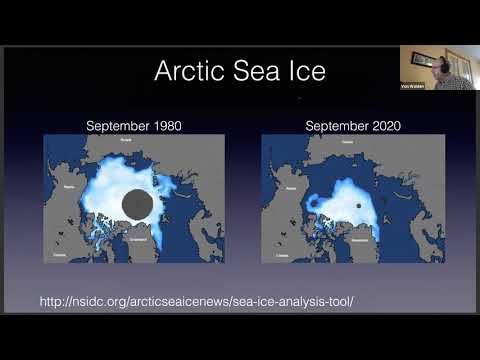
And let’s talk about ice… It’s melting at an alarming rate. Glaciers in places like Greenland and Antarctica have been losing mass quicker than ever before. This increase in melting contributes to rising sea levels, which could flood coastal cities—yikes!
Ocean Changes
But it’s not just the land that’s feeling it; oceans are seriously changing too. They’re absorbing so much carbon dioxide that they’re becoming more acidic. This affects marine life, especially creatures with shells like corals and some shellfish—which impacts food chains.
Climate Feedback Loops
Here’s where it gets even trickier: feedback loops. These are processes that can amplify climate change effects. For example, as ice melts, darker ocean water absorbs more heat instead of reflecting it back into space—this leads to even more warming! It’s like a vicious cycle.
Socioeconomic Impacts
The IPCC also emphasizes that these climate changes aren’t just scientific jargon; they affect real people every day! Vulnerable communities around the world face increased risks from food shortages, health issues related to pollution, and displacement due to extreme weather.
The Role of Emissions
Moving on to emissions: we’ve got a serious problem here too. The report tells us that greenhouse gas emissions have reached record highs in recent years. Even with all the talk about going green, we haven’t done enough yet to slow down this trend.
The Path Forward
However, it’s not all doom and gloom! The report gives us hope by detailing paths forward—ways we can still turn things around if we act fast. Transitioning to renewable energy sources like wind or solar can significantly reduce emissions while also creating jobs.
To sum it up—the IPCC 2022 Report is a crucial reminder that while we’re facing serious challenges due to climate change, there’s still a chance for us to shift gears and make meaningful changes together. If we all pitch in—like seriously reduce our carbon footprints—we might just keep this planet habitable for future generations.
So there you have it! The big picture from the latest IPCC report highlights both what’s at stake and how we can work toward solutions together. Let’s remember: small actions add up!
You know, the whole climate change thing can get pretty heavy sometimes. I mean, just thinking about the future of our planet can be overwhelming. But then you hear about reports like the one from the Intergovernmental Panel on Climate Change (IPCC) in 2022, and it gives you this mix of hope and urgency, you know?
So, what’s the deal with this report? Well, it basically shows how far we’ve come in understanding climate science. Seriously, scientists are piecing things together like a big jigsaw puzzle. They’re not just telling us that climate change is bad; they’re also giving us a clearer picture of what’s causing it and how we can actually tackle it. It’s kind of like being in a dark room and finally turning on the lights—you start seeing where all the obstacles are.
I remember chatting with a friend who works in environmental advocacy. She was telling me how excited she was about some new findings related to carbon emissions reduction techniques. Like, there are ways to take carbon out of the atmosphere! Can you believe that? It made her feel like there’s still a chance to create positive change if we all pitch in.
The report emphasizes that every little bit counts. Even if it feels insignificant at times, individual actions can lead to big changes when enough people come together. It’s like when you’re trying to move a couch by yourself; it’s tough! But add a few friends to help out? Suddenly it’s way easier.
There’s also something really powerful about having solid science backing the conversations around climate policies. People who might have dismissed these ideas before might start paying attention now that there’s real data behind them—like actual numbers and projections! And trust me; those numbers don’t lie.
But here’s where that sense of urgency kicks back in: The report also warns us that time is ticking away faster than we’d like. If we don’t act soon, some effects could become irreversible. Imagine looking back years from now and thinking about what could have been done differently—you know? It just makes you want to do something more than just talk about it.
All in all, while there’s definitely room for concern as we process this information from the IPCC, there’s also reason for hope because of advancements in science and technology. It’s on all of us to harness that knowledge and turn it into action! So next time someone brings up climate issues, maybe consider using some of those insights from the report—because understanding is half the battle won!