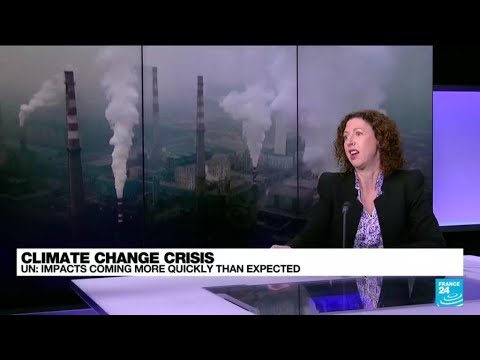
Okay, so here’s a thing. Last week, I was just chilling with a friend, sipping coffee, when he casually said, “Hey, have you seen the latest IPCC report?”
And I was like, “What’s the IPCC?” He gave me that classic “are you serious?” look. Turns out it stands for the Intergovernmental Panel on Climate Change. Sounds fancy, right? But then he started telling me all about these urgent findings.
Like, they’re not just statistics; they’re basically shouting at us that we need to do something about climate change—like now! It got me thinking: if we don’t pay attention to this stuff, what are we doing?
So let’s take a peek at what this latest report is saying. Buckle up; it’s kind of a wild ride!
Urgent Climate Science Findings: Key Highlights from the IPCC Report (PDF)
Climate change is one of those topics that really gets people talking, and with the latest findings from the IPCC (Intergovernmental Panel on Climate Change) report, there’s a lot to unpack. This report sheds light on some serious issues we need to tackle, like, right now.
First off, global temperatures are rising. We’ve seen an increase of about 1.1 degrees Celsius since the late 1800s. It doesn’t sound like much, but it’s enough to kick off crazy weather events, like heatwaves and intense storms. Just think back to that summer when it felt like the sun was blazing down on us endlessly. Yeah, that’s kind of what they’re talking about.
Here are some key highlights from the report:
- Carbon emissions must be reduced urgently: The report emphasizes that we need to cut greenhouse gas emissions by about 50% by 2030 to keep warming under 1.5°C.
- Extreme weather is here: More intense hurricanes, floods, and wildfires are becoming common because of climate change. Remember those wildfires that raged last year? That’s a direct result.
- Food security at risk: Climate change can disrupt agricultural production due to changing weather patterns and increased pests. Ever notice how your favorite fruits sometimes cost more? This could get worse.
- Sea levels rising: Coastal areas are facing threats as sea levels rise due to melting ice caps and thermal expansion of oceans. Think about Miami or Venice—these cities might face a wet future!
- Human health impacts: Increased heat can lead to more health issues, including heat strokes or respiratory problems from poor air quality.
- Biodiversity loss: A lot of species are at risk of extinction as their habitats shift or disappear entirely due to climate changes.
It’s pretty alarming when you think about it this way: the longer we wait to address these issues, the tougher things will get for everyone—especially future generations. It can feel overwhelming to hear all this news; sometimes it’s easier to push it aside and not think about it too much.
But remember that every little bit counts! Small changes in our daily lives can add up—a little less driving here and there or being more mindful about energy use at home can help make a difference.
The thing is: we all share this planet. So when scientists say “urgent,” they mean it! We need action now if we want a better tomorrow for ourselves—and especially for our kids or grandkids down the line.
So let’s keep chatting about this stuff! Share what you know with friends or family; you’d be surprised how many people want to learn more when you bring it up casually over coffee or while cooking dinner together!
“2021 IPCC Report: Key Climate Science Findings and Urgent Calls for Action”
The 2021 IPCC Report: A Wake-Up Call
So, let’s chat about the 2021 Intergovernmental Panel on Climate Change (IPCC) report. It’s like the world’s climate scientists got together and said, “Hey, we really need to talk about what’s happening with our planet.” The findings are pretty intense and should get everyone thinking.
Climate Change is Real and Human-Made
First off, the report is crystal clear: climate change is not just a theory. It’s happening now, and humans are a huge part of the problem. The burning of fossil fuels like coal and oil is pumping carbon dioxide into our atmosphere. By doing this, we’re warming up the Earth faster than ever before. Seriously, in just over a century, global temperatures have already warmed by about 1.1 degrees Celsius compared to pre-industrial times.
Heatwaves and Extreme Weather
Ever noticed those crazy heatwaves or wild storms? Yup, that’s climate change too. The report states that we can expect more intense weather events as temperatures rise further. Think about it: you might remember that summer when it felt like you were walking on the surface of the sun… things like that will become more common if we don’t act fast.
Rising Sea Levels
And let’s talk about rising sea levels—this one hits home for many places around the world! Melting ice sheets and glaciers are contributing to rising oceans at an alarming rate. If sea levels continue to rise as projected, some coastal cities might be underwater in a few decades! Just think of your favorite beach; what if it was no longer there because of climate change?
Urgent Calls for Action
Now here’s where it gets serious: the IPCC isn’t just laying out problems; they’re also issuing urgent calls for action. They emphasize that to limit global warming to 1.5 degrees Celsius—something many scientists say is crucial—we need massive reductions in greenhouse gas emissions by 2030! That’s just around the corner.
- Renewable Energy: Transitioning away from fossil fuels to renewable energy sources like solar or wind is vital.
- Energy Efficiency: We all can use energy more wisely—like turning off lights when you leave a room!
- Reforestation: Planting trees helps absorb carbon dioxide from the atmosphere.
- Sustainable Practices: Changing agricultural practices can help reduce emissions from farming.
Imagine if every little effort counts? Each action adds up!
The Need for Global Cooperation
But here’s the kicker: these actions aren’t something one country can handle alone; it requires global cooperation! Countries need to work together, sharing technology and resources so we can all move towards a healthier planet.
It’s kind of like when everyone pitches in during a big cleanup day at your local park—it only works when everyone joins in.
Your Role Matters Too!
And hey, don’t think your individual actions are too small to make an impact! Stuff like recycling or using public transport matters more than you might think. Every step counts toward creating a sustainable future.
In wrapping this up (not trying to preach here), just remember that this report isn’t just some scientific mumbo jumbo—it’s calling for immediate action because we love this planet! If we all join forces now, there’s still hope for future generations to live on a thriving Earth.
Key Climate Science Insights from the 2022 IPCC Report: Urgency and Implications for Global Action
The 2022 IPCC report, you know, it’s a big deal when it comes to climate science. It really pulled back the curtain on some pretty urgent findings about how our planet’s changing, and honestly, it hit hard. Like, we’re talking about the need for immediate action here. Just to give you an idea of the significance, this isn’t just some academic exercise; it’s a call to arms for everyone.
First off, the report made it crystal clear that global temperatures are rising faster than we thought. We’re already looking at an increase of about 1.1 degrees Celsius compared to pre-industrial levels. And if we continue down this path, we’re on track to possibly exceed 1.5 degrees in just a few years! So what’s the big deal with that? Well, those extra fractions of a degree mean more extreme weather events—think heatwaves and heavy storms.
Another key takeaway is about greenhouse gases. Levels are higher than ever before due to human activities like burning fossil fuels and deforestation. The report highlighted that unless we cut emissions by nearly half by 2030, we’ll be facing serious consequences in terms of food security and health risks worldwide.
- Extreme Weather Events: We’re not just talking about occasional rain or snow; these events are becoming more frequent and severe.
- Melting Ice Caps: The Arctic is melting at alarming rates, influencing global sea levels and impacting coastal communities.
- Biodiversity Loss: Many species are at risk as their habitats change or disappear altogether due to climate change.
- Human Health Risks: Air pollution from burning fossil fuels is linked to respiratory diseases, so there’s a serious health aspect here as well.
You know what resonates with me? There was this part in the report that talked about how vulnerable populations—like those living in low-lying areas or without access to clean water—are going to bear the brunt of these changes. My heart goes out thinking about families who are already struggling and will find themselves facing even bigger challenges because of climate impacts.
The urgency here can’t be overstated. The message is clear: If we want a livable future for ourselves and generations to come, global action is non-negotiable. This means shifting towards renewable energy sources, enhancing energy efficiency practices, and yes—changing our lifestyle habits too!
This isn’t just a job for governments though; businesses need to lean into sustainable practices as well! Think electric vehicles or greener manufacturing processes as part of their operational strategies. And individuals? Well, every bit counts! Lifestyle changes like reducing meat consumption or using public transportation can collectively make huge waves in tackling climate change.
The IPCC reports aren’t just numbers on paper—they reflect real-life impacts on us all. So next time you hear someone say climate change isn’t real or urgent? Remember those insights from the 2022 report and how they call us all into action! The future depends not only on scientists but also on all of us making informed decisions every single day.
You know, it’s kind of hard to ignore the constant chatter about climate change these days. Just recently, the IPCC released another report that really puts things into perspective. And honestly? It’s both a wake-up call and a reminder of just how much our planet needs us right now.
I remember the first time I learned about climate change back in school—sitting in class, staring at diagrams of melting ice caps and rising sea levels. It felt distant, like something that wouldn’t actually affect me. But here we are, years later, and the consequences are all too real. More intense storms, fires blazing out of control, and those ridiculously hot summers—it’s like Mother Nature is throwing a fit!
The latest findings from the IPCC paint an even grimmer picture than before. They’re saying we need drastic changes fast if we want to slow down this freight train headed for disaster. I mean, just think for a second: We have to cut emissions significantly by 2030! That’s not far off at all! It’s as if we’re standing on the edge of a cliff with only a flimsy rope holding us back from falling.
What really hits me is how this isn’t just some number-crunching exercise. These aren’t just statistics—they’re lives we’re talking about! People losing homes to floods or fires or whole communities struggling with food shortages because their crops can’t cope with the new weather extremes. It makes you want to shake someone and say “Hey! Why can’t we do more?” And yet… it feels overwhelming sometimes.
Now don’t get me wrong; there are glimmers of hope in all this mess—innovations in renewable energy, efforts towards sustainable living… lots of folks working hard to turn things around. But man, does it feel like we’re racing against time? The urgency isn’t just for scientists and politicians; it’s for all of us.
As I sit here reflecting on everything from the IPCC report, I can’t help but think about my kids’ future—or heck, even my own future! What kind of world will they inherit if we stay idle? Maybe it begins with small actions—reducing waste or using public transport more often—but if everyone embraces those little changes collectively, who knows what could happen?
So yeah, let’s take this seriously but also find ways to inspire each other along the way. The challenge ahead seems monumental but every step counts—and sometimes those steps start with conversations like these!