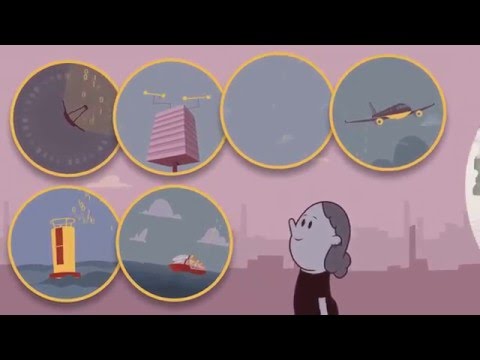
You know that feeling when you check the weather app, and it says 80% chance of rain? You’re like, “Awesome, time to bring out the umbrella!” But then, surprise! The sun shines all day. Ugh.
Well, weather prediction has come a long way since those days of flipping a coin or asking your grandma for a guess. Seriously! It’s not just about looking at clouds anymore.
Climate science is leaping forward too—like those crazy advances in technology where satellites and supercomputers come into play. It’s pretty neat stuff that helps us understand our planet better.
Honestly, we’re at this cool intersection of meteorology and tech. So let’s chat about how far we’ve come in predicting the weather and what that means for us all!
Advancements in Weather Forecasting: Key Scientific Improvements and Innovations
So, let’s chat about weather forecasting for a bit. You know, that thing we all kinda depend on to decide if we need an umbrella or if it’s safe to fire up the grill? It’s gotten a whole lot better over the years, and there’s some pretty cool stuff happening in this field.
One of the biggest advancements has been the use of supercomputers. These powerful machines can crunch massive amounts of data from all over the world in no time flat. So basically, they’re like weather prediction superheroes! They take data from satellites, radars, and weather stations and use complex models to forecast what the weather will be like in a few hours or even days ahead.
Then there’s satellite technology. Today’s satellites are way more advanced than those old clunky ones from decades ago. They can capture super-detailed images and collect tons of information about atmospheric conditions. For example, they measure temperature, humidity, wind speed—basically everything we need to understand what’s going on up there!
Another neat innovation is numerical weather prediction models. Sounds fancy, right? But it just means using math and physics to simulate how air moves around. It helps scientists predict future weather patterns based on current conditions. And guess what? These models keep getting better as scientists learn more about the atmosphere!
Now let’s not forget about machine learning. Yep, that tech you’ve heard so much about is making waves in meteorology too! It helps analyze vast amounts of historical weather data to identify patterns that humans might miss. So now computers can help improve forecasts by learning from past mistakes.
Also important are improved observation systems. You know those little weather stations you see on rooftops? Well, they’ve become pretty high-tech too! New sensors give real-time data that’s impacted forecasts significantly. Plus, we’ve got drones flying around collecting data in areas where it used to be really tough to get measurements.
So yeah, these advancements mean forecasts are becoming more accurate and reliable. Remember when a storm would sneak up on you outta nowhere? That doesn’t happen as often anymore thanks to these improvements. Whether it’s predicting severe storms or just letting us know if it’s going to be sunny at your weekend picnic, science has really redefined how we look at the skies!
And honestly, I think it’s kind of magical how far we’ve come in understanding something as complex as our atmosphere. Just think back to when folks would rely on farmer’s almanacs or even folklore for their forecasts! It’s wild how innovation has changed that—and honestly made our lives a bit easier too!
Advancements in Meteorology: Evaluating Our Progress in Weather Prediction Accuracy
Sure! Let’s break down the advancements in meteorology, especially focusing on how we’re getting better at predicting the weather. It’s like we’ve gone from looking at clouds and guessing what’s coming to having super high-tech tools and serious brainpower behind forecasting.
First off, one big leap has been with **satellites**. You know those big boxes you see floating around in space? They’re not just for show! They take pictures of clouds, monitor temperature changes, and track storms. This info is crucial. For instance, when a hurricane starts brewing, satellites help meteorologists understand its path and potential impact way sooner than before.
Then there’s **radar technology**. Older systems were pretty basic; they’d tell you when rain was nearby, but now we have Doppler radar. This nifty tech detects not just precipitation but also how fast the rain or snow is moving. It’s like giving meteorologists a time machine to predict when a storm will hit your area!
Also, let’s chat about **computer modeling**. Back in the day, models used simple equations based on what we observed. Now? We’re cranking up the complexity like crazy! Modern computers simulate the atmosphere using thousands of variables. Think of it as playing a super realistic video game where every little detail counts.
On top of all that magic, there are **improvements in data collection** too! Devices called weather buoys are floating in oceans gathering oceanic data that helps predict weather patterns better than ever before—like changes in sea surface temperatures that can hint at future storms.
Speaking of storms, remember the epic blizzard a few years back? Forecasts were spot on about its potential severity days ahead of time thanks to these advancements—a real win for meteorology lovers everywhere!
But it’s not all sunshine and rainbows (pun intended). Despite these amazing tools and tech improvements, predicting *exactly* what will happen is still tough sometimes. Weather can be super unpredictable. Even with all our gadgets, there’s always some uncertainty because nature likes to keep us on our toes!
In summary:
- Satellites are essential for tracking large weather systems.
- Doppler radar gives us precise movement data on precipitation.
- Advanced computer models simulate atmospheric conditions using loads of information.
- Weather buoys provide valuable oceanic data for forecasts.
And so yeah, it’s wild how far we’ve come with meteorology! The blend of technology and science is making our forecasts more reliable than ever before—just don’t forget your umbrella sometimes anyway!
Exploring Cutting-Edge Weather Forecasting Technologies: Innovations in Meteorological Science
So, let’s talk about weather forecasting, shall we? You know how annoying it can be when the forecast says it’s gonna rain all day, and then you end up with nothing but sunshine? But nowadays, the science behind predicting the weather is getting pretty cool and super high-tech. Let’s break down some of those **cutting-edge technologies** that are changing the game in meteorology.
First off, we gotta mention **supercomputers**. These bad boys are like the brainiac nerds of weather prediction. They crunch massive amounts of data from various sources like satellites and ground stations. By running complex models, they help meteorologists predict not just whether it will rain, but exactly how much and when. Imagine your favorite scientist squeezing all that info into a giant equation—yeah, that’s pretty much what happens!
Next up is satellite technology. Have you ever looked up at the sky and thought about how those fancy satellites work? They orbit the Earth and send back images that help us keep an eye on cloud formations, storms, and even ocean temperatures! For example, geostationary satellites stay put over one spot to give us real-time updates on developing weather systems. That means if a hurricane is brewing somewhere in the Atlantic, experts can track its path closely.
Then there’s radar technology! Essentially, radar sends out radio waves to detect precipitation. It helps us see where storms are located and how intense they are—kind of like giving a voice to those raindrops! Doppler radar is particularly nifty because it can measure wind speed inside thunderstorms. This info is crucial for identifying tornadoes before they touch down.
Another innovation gaining traction is **machine learning**. Machine learning algorithms analyze historical weather data to find trends and patterns that humans might miss. It’s like having a detective for weather who gets better over time at figuring out what might happen next based on past cases! With this tech, forecasts can become more accurate as models adjust themselves with incoming data.
And speaking of data—have you heard about **crowdsourced information**? That’s right! Regular folks can contribute by sharing local weather conditions through apps or social media platforms. This community involvement helps fill in gaps where traditional data might be lacking, especially in remote areas or during extreme events.
Finally, let’s not forget about climate modeling tools because these are vital too! They help scientists understand long-term trends rather than just short-term forecasts. By utilizing extensive datasets from previous years combined with current observations, researchers can simulate future climate scenarios based on different factors such as greenhouse gas emissions.
To wrap things up: we’re living in an exciting time when it comes to understanding our planet’s weather systems! With supercomputers crunching numbers faster than we can say “snowstorm,” satellites monitoring every cloud movement overhead, cutting-edge radar pinpointing just how strong a storm can get—and with machine learning to help refine predictions… Well, it paints quite an impressive picture!
So next time you hear a weather report say “There’s a 60% chance of rain,” remember there is a whole world of technology working tirelessly behind those numbers! Who knew predicting whether to carry an umbrella could be so complex yet fascinating?
You know, when I think about weather prediction and climate science, it’s kind of mind-blowing how far we’ve come. I mean, remember those days when the weather was just a guess? Like, you’d check the news and hope to God they were right about the sunshine so you could plan that picnic. And then, boom! It pours down rain instead. But now? It’s like we have this superpower that helps us understand what’s happening in the sky.
Take a moment to reflect on how this stuff works. Weather models today use everything from satellites to supercomputers to predict storms and temperature changes. And these computers process tons of data—think millions of data points swirling around—way faster than any human can add things up in their head. Crazy, right?
Just last summer, I was caught in a surprise downpour while hiking with friends. We had checked the forecast beforehand and it said clear skies all day! But just as we reached a beautiful viewpoint, dark clouds rolled in unexpectedly. But now I realize that meteorologists are continuously improving their techniques and technology so these surprises happen less often.
Climate science is another part of the puzzle that’s really evolving. With climate change being such a hot topic (pun intended), scientists are using advanced models to better understand long-term trends—like shifts in rainfall patterns or temperature increases—and predicting future scenarios more accurately than before. That’s huge because it impacts everything: from agriculture to energy sources.
It’s wild how interconnected our world is becoming too; just think about how sharing data across borders helps countries tackle issues together. This collaboration didn’t exist decades ago! Every time there’s an extreme weather event, scientists analyze what happened so they can adapt their models for next time.
But with all this knowledge comes responsibility, right? It’s one thing to know you might get hit by a hurricane; it’s another to be well-prepared for it thanks to that knowledge. So while advancements in predicting the weather and understanding our climate are impressive, they also challenge us as individuals and societies to act on what we learn—not only for ourselves but for future generations.
So yeah, as we keep moving forward with tech getting smarter and science getting deeper, let’s remember it’s not just about knowing what’s coming next but also doing something about it. After all, every little bit counts when it comes to protecting our planet!