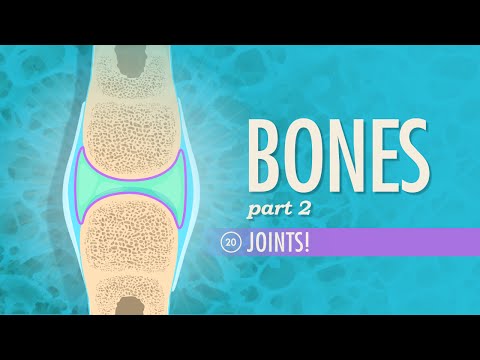
You know that feeling when you wake up and your knees are making noises like they’re auditioning for a horror movie? Seriously, I’m not kidding. Sometimes, it’s like they’re cracking and popping all on their own!
Well, joints are kinda like the hidden heroes of our bodies—essential parts that we often take for granted. They let us bend, twist, and move around without turning into pretzels. But how do they actually work? What makes them so special?
Let’s unravel this whole joint thing together. You’ll see that there’s more to these little connections than meets the eye! Fun fact: they’re responsible for every single movement we make. From that jump you tried to impress your friends with to just getting off the couch after a binge-watch session… Yep, those joints have got your back!
Exploring the 7 Major Joints in the Human Body and Their Functions: A Scientific Overview
There’s a lot going on in our bodies, especially when it comes to movement. Joints are like the hinges that hold our skeleton together. They connect bones, allow us to move in all sorts of ways, and also help to absorb shock during activities. So let’s take a closer look at the seven major joints in the human body and what they do, shall we?
1. Shoulder Joint
The shoulder joint is super flexible, allowing for a wide range of motion. It’s a ball-and-socket joint, which means one bone (the humerus) fits into a cup-like socket (the glenoid). This is why you can throw a ball or reach for that snack on the top shelf with ease!
2. Elbow Joint
Think about how you bend your arm to eat or wave hello. That’s thanks to the elbow joint! It works like a hinge joint, allowing movement primarily in one direction: bending and straightening your arm.
3. Wrist Joint
Your wrist is also pretty versatile! It’s made up of several smaller joints that work together to help you rotate your hand and move it side-to-side. Imagine trying to type without that wrist mobility—yikes!
4. Hip Joint
The hip joint is another ball-and-socket wonder, connecting your femur (the longest bone in your body) to your pelvis. This sturdy connection supports walking and running while providing some serious stability.
5. Knee Joint
Believe it or not, the knee isn’t just a simple hinge; it’s kind of complex! It connects the thigh bone (femur) with your shin bone (tibia) and lets you bend and straighten your leg while bearing weight too.
6. Ankle Joint
This joint might look small compared to others, but it does heavy lifting! The ankle allows movement up and down as well as side-to-side by connecting with various bones in your foot.
7. Neck Joint
Ever notice how easily you can turn your head? That’s thanks to the neck joints at the base of your skull. They allow for rotation as well as bending side-to-side and forward/backward—pretty nifty!
But wait, there’s more to these joints than just making movements possible—they’re also key players in protecting our bones from injuries! Some joints even contain cartilage—a soft material that cushions them during activities like running or jumping so that our bones don’t rub against each other too harshly.
So there you have it! Each of these major joints plays a unique role in how we move through life—whether we’re dancing at a party or just reaching for our morning coffee. Remembering how these work might give you an even greater appreciation for every little wiggle and stretch you make!
Exploring the 7 Fundamental Types of Joint Movement in Human Anatomy
So, let’s talk about joints, those amazing little connections in our bodies that let us move with grace (or sometimes awkwardness). Joints are crucial for basically everything you do. They let you wiggle your toes, throw a ball, or even just scratch your nose. But did you know there are different types of movements that our joints can perform? Yeah, it’s pretty cool. Here’s a rundown of the seven fundamental types of joint movement.
1. Flexion and Extension
This is probably the most common type of movement you think of. Flexion means bending a joint to decrease the angle between two body parts, like when you bend your elbow to bring your hand closer to your shoulder. Extension does the opposite; it straightens the joint out again, like when you lower your arm back down. You can see this in action every time someone waves hello!
2. Abduction and Adduction
Abduction is all about moving away from the centerline of your body. Imagine spreading your arms out like a bird trying to take flight—those arms are being abducted! On the flip side, adduction pulls things back toward that centerline. So bringing those arms back down by your sides is adduction in action!
3. Rotation
Okay, so this one is interesting because it involves turning around an axis. Picture turning your head from side to side—you’re rotating! This kind of movement happens in places like your neck or even at the hip joint during certain activities like dancing (or trying to follow along with TikTok dance challenges!).
4. Circumduction
Now we’re talking about circular movements! Circumduction combines flexion, extension, abduction, and adduction to create a circular motion at joints like the shoulder or hip. It’s what happens when you swing your arm in big circles while listening to music at a party—totally fun and definitely eye-catching!
5. Elevation and Depression
Elevation moves structures superiorly (upwards), while depression moves them inferiorly (downwards). Think about shrugging your shoulders; when you lift them up toward your ears—that’s elevation! Dropping them back down? That’s depression. Simple but vital for posture.
6. Pronation and Supination
These terms sound fancy but aren’t as complex as they seem! Pronation refers to turning something downward; think of how you turn your palm face down while typing on your phone. Supination is just the opposite—it means turning something upwards, like when you’re holding a bowl of soup with both hands (don’t spill!).
7. Dorsiflexion and Plantarflexion
These movements deal specifically with the ankle joint where dorsiflexion lifts the foot upwards toward your shin—that’s how we walk on our heels! Plantarflexion does just the opposite; this happens when we point our toes or stand on our tiptoes like we’re trying to reach something high up.
So yeah, these moves are essential for almost every physical activity you do! They let us run after ice cream trucks or kick soccer balls around at the park on sunny days—and who doesn’t love those moments? Understanding how these joint movements work helps us appreciate our bodies much more because it shows just how intricate and amazing we really are!
Understanding the Science of Joints: Their Critical Role in Movement and Brain Function
So, joints are these amazing connections in our bodies that do a lot more than just hold bones together. You might have felt it when you move your arms or legs – they allow for all sorts of awesome movements. But what’s really going on inside those little hinges?
First off, let’s break it down. Joints are like the flexible parts of your skeleton. They come in different types, each allowing for different kinds of movement. For instance:
- Hinge joints: These are like door hinges, think elbows or knees. They allow motion in one direction.
- Ball-and-socket joints: Like your shoulder and hip, these let you move in almost any direction.
- Pivot joints: Ever turned your head? That’s your neck doing its thing with a pivot joint.
So, when you throw a ball or dance (even if it’s just in your living room), those joints are working hard! They’re not only helping with movement—they’re also crucial for stability and weight distribution. It’s like having little shock absorbers that make sure you don’t topple over when you take a step.
Now here’s where it gets even cooler: joints play a role in how our brain functions too! When we move, our brain gets feedback from these joints about where they are and how they’re moving. This information is super important because it helps us coordinate our actions and maintain balance. Basically, the brain and the joints communicate all the time!
Remember that time you tried to learn how to ride a bike? Your brain was collecting info from those joints about balance and movement as you wobbled and pedaled away. It’s all part of this intricate dance between the body and mind!
Joints also contain cartilage, which is that smooth tissue making movement easier by cushioning bones so they don’t grind against each other. If you’ve ever heard someone talk about “bad knees,” that means there might be some wear-and-tear on this cartilage, making movement painful or limited.
And let’s not forget synovial fluid! This slippery stuff acts like lubricant for the joints, reducing friction so things can glide smoothly—kind of like oil in a car engine.
So yeah, understanding how important these connectors are helps us appreciate even more about movement—and even brain function! Whether you’re running to catch a bus or waving at a friend across the street, remember those tiny warriors working behind the scenes to keep everything moving fluidly. It’s pretty mind-blowing when you think about it!
You know, joints are pretty amazing when you actually think about ’em. I mean, they’re like those little hinges that let you move your body in all sorts of ways. Imagine trying to touch your toes or throw a ball without them! It’d be a total mess, right?
So, let’s break it down a bit. Joints are the places where two or more bones meet. They come in different types—like hinges for bending (think knees), ball-and-socket for rotation (like your shoulders), and even those funny little sliding joints in your wrists. Each type is designed to do specific movements while keeping everything stable and secure. Pretty neat!
I remember a time when I tried to impress my friends with my flexibility during gym class. I was feeling all cool until I pushed too hard and, bam! My knee popped like it was made of popcorn. Ouch! That reminded me how delicate yet strong our joints really are. They can handle a lot of pressure, but if we don’t take care of them, things can go sideways.
What’s wild is that our joints are surrounded by cartilage—a slippery substance that cushions them like bubble wrap—not literally, but you get the idea. That stuff helps reduce friction as we move around, which is super important because nobody wants creaky bones or painful movements.
And then there’s synovial fluid—which sounds fancy but is basically just natural lubricant for our joints. It helps everything glide smoothly so you don’t feel like a rusty old door every time you bend over to tie your shoelaces.
Now here’s where it gets interesting: as we age or if we don’t keep active, our joints can suffer from wear and tear. Ever hear someone talk about arthritis? That’s when inflammation kicks in and makes those little surprises—like my knee incident—more common.
Maintaining healthy joints isn’t just about being fit; it’s about being aware of what your body needs as well. Staying hydrated, doing some stretching, and getting regular movement can make a world of difference in how they feel over time.
So yeah, next time you’re moving around—whether it’s dancing at a party or running after the ice cream truck—take a moment to appreciate those unsung heroes: your joints! They’re hard at work making sure you can live life to the fullest without feeling like an awkward robot!