So, picture this: you’re packing for a weekend trip. You’ve got your favorite jeans, that killer jacket, and a bunch of snacks. But, wait—your suitcase is only so big!
You’ve got to make some tough choices. That’s where the knapsack problem comes in. It sounds fancy, but really, it’s just about optimizing what you can carry based on what’s most important to you.
Imagine wanting to bring back all those goodies from the local market but having limited space in your bag. You know you can’t take everything home, so how do you pick?
That’s the essence of this problem—it’s all about making decisions that give you the best bang for your buck… or in this case, the best stuff for your suitcase!
Understanding the Greedy Approach in Solving the Knapsack Problem: A Scientific Perspective
The Knapsack Problem is like a puzzle that’s been around for ages. Imagine you’ve got a backpack, or knapsack. You can only carry so much weight, but there are all these amazing things you want to take with you. The challenge? You need to pick the items that give you the most value without exceeding the weight limit. That’s where the greedy approach comes in.
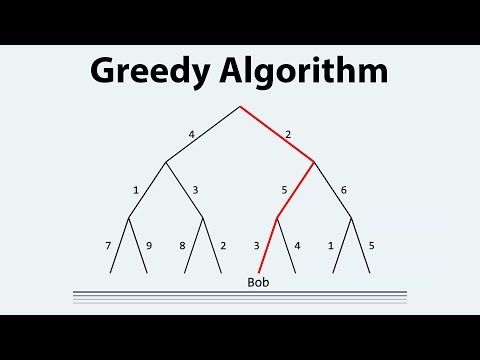
So, what’s this greedy approach all about? Well, it’s a method of solving optimization problems by making a sequence of choices, each of which looks best at that moment without worrying about future consequences. It’s like choosing snacks at a party: you grab the ones that look tastiest first, assuming they’ll be the best options overall.
Here are some key points about how it works with the Knapsack Problem:
- Value-to-Weight Ratio: You calculate how much value each item provides compared to its weight. The idea is to maximize your value per unit of weight.
- Sorting Items: Before you start putting things into your knapsack, you sort items based on their value-to-weight ratio. The higher this ratio, the more attractive the item is to pick!
- Selecting Items: Once sorted, you start adding items one by one. If adding an item doesn’t exceed your knapsack’s capacity, in it goes!
For example, let’s say you’ve got a backpack that can hold 10 kg and you’re choosing between three items:
- A gold bar weighing 5 kg and worth $1000.
- A book weighing 2 kg and worth $200.
- A small gadget weighing 3 kg that’s worth $300.
First off, you’d calculate their value-to-weight ratios:
– Gold Bar: $1000/5kg = $200 per kg
– Book: $200/2kg = $100 per kg
– Gadget: $300/3kg = $100 per kg
After sorting them out by their ratios—gold bar first, then book and gadget—you’d start filling your knapsack. You would take the gold bar (5 kg), then add either the book (which brings total weight to 7 kg) or the gadget (total weight at 8 kg). But since both have equal ratios after gold bar and you can only fit one more item without going over weight limits, you’d choose based on preference or immediate utility.
This method sounds straightforward and often works well! However, here’s where it gets tricky—sometimes this greedy approach doesn’t yield optimal solutions for every scenario. Like when you’re trying to maximize profit over several items or dealing with certain constraints.
You know what’s funny? I remember once trying to pack my bag for a hiking trip using this very concept. I had my eye on my favorite snacks but ended up with too many chips and not enough protein bars for energy! So yeah, overwhelming options sometimes lead us down a less optimal path despite our best “greedy” intentions.
In conclusion—well maybe not conclusion exactly but rather reflection—the greedy approach is super handy for many real-life problems where quick choices are king. Just keep in mind its limitations! While it’s efficient for certain situations in solving the Knapsack Problem, other times it might leave some valuable options behind if you’re not careful about selection criteria or constraints involved.
So next time you’re balancing choices and getting packed up for an adventure—or deciding what dessert to go with—think about how you’re prioritizing those decisions!
Understanding the Greedy Approach to Optimization in Scientific Research
Alright, let’s talk about this thing called the greedy approach in optimization. It’s like when you have a bag, and you need to fill it with items that give you the most value without exceeding a certain weight limit. This scenario is known as the knapsack problem, and it’s a classic example used in various fields of research.
So, picture yourself at a market. You have a knapsack that can hold 10 pounds of stuff. Each item has its own weight and value: apples weigh 2 pounds each and are worth $3, while oranges are 4 pounds for $5. The greedy approach means you’d grab items based on how much value they give per pound, starting with the highest.
Essentially, you’d do something like this:
- Calculate value per pound for each item.
- Start picking the highest value-per-pound item until your bag is full.
- If you can’t take an item because it’s too heavy, just move on to the next best option.
Now, let’s think about how this works in real life—say, when scientists are trying to choose research projects or allocate funds. They often have limited resources (like time or money) and want to maximize their outputs—just like filling up that knapsack!
Imagine you’re a researcher deciding which experiments to fund for maximum impact. You might consider factors like potential findings’ significance or cost versus payoff. Using a greedy strategy here means focusing first on projects that seem most promising based on those factors.
But here’s the catch: sometimes taking smaller projects first can lead to greater overall success later on. The greedy approach doesn’t always get you the absolute best solution; it simply gives you one that seems good at every step without looking ahead.
This method’s simplicity is its charm—it’s quick! In scenarios where decisions must be made swiftly, like urgent medical research during an outbreak, going greedy might just save time and lives.
In fields as varied as computer science and economics, there are tons of instances where this method shines. Yet it’s crucial to remember that while it can be useful for getting solid results quickly, it may not always find the ultimate optimal solution.
So next time you’re faced with choices about where to put your effort or resources—whether it’s packing for a trip or deciding which project deserves funding—think about how a bit of greed could help inform your decision-making process!
Understanding the Knapsack Problem: A Key Challenge in Optimization Science
The **Knapsack Problem** is like this classic dilemma we all face at some point: you’ve got a bunch of stuff to carry, but your bag can only hold so much. So, how do you decide what to take? This problem isn’t just about packing for a trip; it’s a big deal in optimization science. Basically, it deals with making the best possible choices when constraints are involved.
There are different versions of the knapsack problem. The most common one is the **0/1 Knapsack Problem** where you either take an item completely or leave it behind—no half-measures! You know, if you’re thinking about your bag, you can’t just take part of a sandwich, for instance.
Now there’s also the **Fractional Knapsack Problem**, where you can take fractions of items. Imagine having a bag full of gold bars and being able to scoop out a portion if needed—that’s the fractional version. This makes things easier because it allows more flexibility in what you can carry.
The challenges stem from wanting to maximize the total value in your knapsack while not exceeding its weight limit. You basically have to weigh your options—do you want to take something heavy with high value or something lighter that adds less value? It’s like deciding between two desserts at a buffet; do you go for that massive slice of chocolate cake or stick with the lighter fruit salad?
- Greedy Approach: One popular method to tackle this problem is the greedy algorithm. Essentially, it looks at which items have the highest value-to-weight ratio first and adds them accordingly until it fills up your knapsack.
- Example: Let’s say you have three items: one weighs 2 kg and is worth $10, another weighs 3 kg and is worth $20, and finally one weighs 5 kg but costs $30. The greedy algorithm would choose based on which gives more bang for your buck per kilo!
However, be mindful! The greedy approach doesn’t always give you the best solution for every scenario in the **0/1 Knapsack Problem**—the optimal might be hiding somewhere else! Real life works that way too; sometimes we make spontaneous decisions based on what seems right at that moment but later realize we could have made better choices.
The **Dynamic Programming Approach** is another way to solve this problem effectively when using a greedy strategy doesn’t cut it. It’s like creating a game plan where all possibilities are explored systematically—much more tedious but sometimes necessary if you’re looking for that perfect solution.
To wrap things up, understanding the Knapsack Problem helps improve decision-making skills across many fields such as finance or logistics—you name it! So next time you’re faced with tough choices about what to pack or any other types of selection dilemmas, think about how optimization science can guide your decisions!
Alright, let’s talk about choices for a second. You know, life is full of decisions, right? I mean, whether it’s picking out what to wear in the morning or deciding what snacks to bring for movie night. Sometimes you’ve got a bunch of options staring at you, and you can only pick a few—like when you’re packing for a trip.
This whole idea kinda reminds me of the knapsack problem. Picture this: you’ve got this backpack (the “knapsack”) and a list of things you want to take on your adventure. Each item has its own weight and value—for instance, do you take that extra pair of shoes which looks good but is heavy? Or maybe just grab snacks that’ll keep your energy up? It’s all about weighing your options.
Now, the greedy approach comes into play when you’re trying to maximize your fun—or in mathematical terms, your “value.” It’s like making snap decisions based on what gives you the best immediate payoff without thinking too far ahead. You start with whatever gives you the highest value-to-weight ratio first. This means if one snack is super tasty and light while another is just heavy and meh, you’d go for that yummy light snack every time.
But here’s the twist: while this method can often get you pretty close to an optimal solution quickly—like getting most of what will make your trip enjoyable—it doesn’t always guarantee that you’re making the absolute best choice overall. Sometimes it might leave out something crucial because you’re focused on immediate gains rather than considering how everything fits together.
I remember once going on a weekend camping trip with friends. I packed my bag like it was an Olympic sport! I grabbed chips and soda because they were fun (and easy), but totally forgot about bringing enough water—kind of crucial when hiking in the sun! We had a blast munching on junk food but ended up regretting those choices when we ran low on hydration.
Life’s kind of like that knapsack problem—a series of choices where sometimes we have to prioritize what seems most rewarding at the moment without losing sight of the big picture. The greedy approach might speed things along in some situations, but sometimes it’s worth taking a step back for a broader perspective.
So next time you’re faced with choices—whether packing for an adventure or making day-to-day decisions—try to balance those quick wins with careful consideration of what really matters in the long run. Sometimes it’s not just about getting it done fast; it’s about getting it done right!