So, imagine this: you’re in a huge library, right? Stacks and stacks of books all around you. You could spend days looking for just one piece of info, and you’d probably still miss it. Now, picture a super-smart robot that knows where everything is. That’s kind of what algorithms do in science.
They’re like these invisible helpers that can sift through massive amounts of data way faster than any human could ever dream of. You know how we freak out when our Wi-Fi lags for like five seconds? Well, algorithms are what keeps everything moving smoothly behind the scenes.
But here’s the kicker: they’re not just about speed. It’s about finding those hidden gems—the discoveries we never thought we’d find. From predicting disease outbreaks to figuring out how stars are born, algorithms are revolutionizing research in some wild ways.
So yeah, let’s chat about how these mathematical magic tricks are changing the way we explore the universe!
Advancements in Scientific Research: The Role of Algorithms in Enhancing Discovery (PDF)
Algorithms have changed the game in scientific research in ways we couldn’t really imagine a few decades ago. They’re like these smart little helpers that can sift through heaps of data, making sense of it all so researchers can focus on the big ideas. Imagine trying to find a needle in a haystack but having a metal detector that does the job for you. That’s basically what algorithms do.
One major area where algorithms shine is data analysis. Scientists nowadays collect mountains of data. Think about climate change data, where you’re talking terabytes upon terabytes from sensors all over the planet. Crunching that number is no small feat! Algorithms can analyze trends, predict outcomes, and even suggest new areas of research just from patterns they identify in existing information.
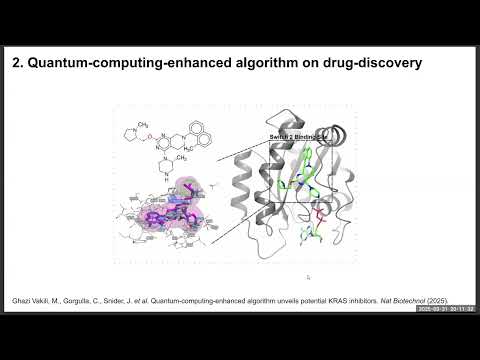
Then there’s machine learning, a subset of algorithms that’s totally revolutionizing how science is done. This tech learns from data over time, improving its accuracy and efficiency. For instance, in drug discovery, machine learning can predict which compounds might be effective against a disease before testing them in the lab. It’s like having a super-powered intuition about which experiments might actually pan out.
Another cool application is in genomics. With advances in sequencing technology, we’re now able to decode DNA at lightning speed. But guess what? The sheer volume of genetic information generated would overwhelm any researcher without algorithms to help interpret it! These algorithms help identify gene mutations that could lead to diseases or even suggest treatment options tailored for an individual based on their genetic makeup.
Some scientists are using algorithms for simulations. Take astrophysics as an example—simulating cosmic events requires complex computations that would take forever without powerful algorithms to run those simulations efficiently. They allow us to model everything from black holes to galaxy formations, giving us insight without needing to stare into space with our own eyes 24/7.
But hey, it’s not all smooth sailing. Algorithms carry some risks too! One big issue is bias. If the data fed into these systems isn’t diverse or representative enough, you end up with skewed results that could mislead researchers or policymakers—like if you only studied one group and tried applying those findings globally; it just doesn’t work!
And let’s not forget about ethics. When algorithms make decisions—especially ones impacting people’s lives—we need to ask ourselves who’s responsible if something goes wrong? Balancing innovation with ethical considerations is crucial as research continues evolving.
In short, the role of algorithms in enhancing scientific discovery is absolutely massive and multifaceted! From analyzing tons of data efficiently to driving innovations across fields like medicine and physics, they’re shaping how we explore our world and beyond. Exciting times ahead for sure!
Exploring the Impact of Algorithms on Scientific Research and Discovery: Key Examples Across Various Fields
So, algorithms are everywhere, right? But you might be wondering how they actually play a role in scientific research and discovery. The thing is, algorithms can be super powerful tools that help scientists sift through mountains of data to find patterns, make predictions, and even suggest new avenues for exploration.
Imagine this: You’re a researcher trying to figure out why a certain disease is spreading. You’ve got tons of patient data, genetic information, and environmental factors to consider. Just sorting through all that information manually would take forever! But with the right algorithm, you can quickly identify trends or correlations that might not be obvious at first glance.
Here are a few key examples showing how algorithms are enhancing scientific research across different fields:
Now let’s not forget about the emotional side of algorithms in science! A couple of years ago, I read about a breakthrough in gene editing using CRISPR technology—a technique where algorithms were used to identify specific DNA sequences for editing. Imagine saving lives by correcting genetic disorders! It’s wild how technology can change the game.
But it’s not all rainbows and sunshine. There are some real concerns too—like bias in algorithm design which can lead to skewed results if we’re not careful about our data sources or assumptions underpinning these systems. Basically, if an algorithm learns from biased data; it spits out biased results.
In the end, algorithms have become essential companions for researchers across disciplines—helping them find answers more efficiently while opening doors for discoveries we might never have imagined otherwise! And who knows what amazing breakthroughs lie ahead thanks to these powerful tools?
Transforming Scientific Research: How AI is Accelerating Discovery in the Field of Science
Artificial Intelligence (AI) is shaking things up in science like never before. Imagine you have a massive library, but instead of books, it’s filled with research data. Now, trying to sift through all that information manually? That would take forever! But AI can zoom through it in the blink of an eye, finding patterns and insights that would take humans ages to uncover.
So, how exactly is AI changing the game in scientific research? Well, let me break it down for you.
- Data Analysis: AI algorithms are super effective at analyzing large datasets quickly. They can identify trends and correlations that researchers might miss. It’s like having a really smart buddy who spots things you didn’t even notice!
- Predictive Modeling: With AI’s ability to learn from data, scientists can build models to predict outcomes. For example, in drug discovery, AI can help predict how different compounds will interact with biological targets. This means fewer trial-and-error tests and faster results!
- Automation: Many repetitive tasks in research can be automated using AI. For instance, sorting through countless images from microscopic analyses used to be tedious work for scientists. Now, AI tools can handle this automatically, freeing up researchers to focus on more creative aspects of their work.
- Personalized Medicine: In healthcare, AI is leading the way toward tailored treatments for individuals based on their genetic makeup. By analyzing vast amounts of genomic data, AI helps identify which treatments will work best for patients.
- Collaboration: AI tools facilitate collaboration among scientists across different disciplines or locations. Data sharing platforms powered by AI help researchers connect findings and ideas much faster than before.
There’s this cool story about how scientists used an AI algorithm to discover a potential new antibiotic called teixobactin. Traditional methods had hit a wall when searching for new antibiotics due to resistance issues with existing ones. But when they turned over some data analysis tasks to an AI system—bam! The algorithm helped identify promising candidates efficiently.
But it’s not just about speed; it’s also about enhancing creativity and innovation in scientific inquiry! The algorithms learn continuously; they adapt based on what works and what doesn’t, making them more efficient over time.
Despite all these neat advancements, there are challenges too. It’s essential that human oversight remains a big part of the process because, well—you know—it’s important not to rely solely on machines for everything! Scientists still need that human touch when it comes to interpreting results and understanding the broader context.
So basically, as exciting as this journey with AI in science is—a blend of machine intelligence and human ingenuity—it’s important we keep an eye on ethical considerations too! There’s loads more to explore here as technology evolves.
In summary? The partnership between AIs and scientists isn’t just transforming how we do research; it’s redefining what’s possible in discovery itself! Imagine the breakthroughs waiting just around the corner with this incredible collaboration unfolding right before our eyes!
So, let’s talk about algorithms. They sound all techy and complicated, but really, they’re just like super smart recipes that tell computers how to handle data. And in science? Oh man, they’re turning the game up a notch.
Imagine sitting in a lab, surrounded by piles of data—like mountains of numbers and results from experiments. It can feel overwhelming, right? But then you have these algorithms to sift through that mess and find patterns or anomalies that our brains might totally miss. It’s like having a buddy who spots all the hidden gems while you’re digging through the dirt.
I remember this one time back in college when we were working on a project about climate change. We had tons of data from weather stations and satellite imagery. It was honestly kind of mind-boggling! One of our professors introduced us to machine learning algorithms—basically those smart recipes I mentioned earlier—and it was like flipping on a light switch! Suddenly, we could analyze trends over decades in minutes instead of weeks. Pretty cool, huh?
But here’s the thing: while algorithms can be incredibly powerful tools for researchers, there’s this fine line to walk. You don’t want to become too dependent on them; otherwise, you might miss out on the creative spark that comes from human intuition and exploration. There’s an art to understanding data that goes beyond what an algorithm can do.
Plus, transparency is key! Some algorithms are like black boxes—no one really knows how they come up with their conclusions because they’ve been programmed in complex ways. This can lead to bias if not handled properly. So yes, while they enhance research and discovery massively, we also need to keep questioning them.
In the grand scheme of things, algorithms help us push boundaries and tackle problems we once thought were impossible to solve. From predicting disease outbreaks based on patterns in health data to finding new materials for batteries—seriously amazing stuff! So next time you hear someone mention algorithms, think about all those late nights sifting through data or trying to understand nature’s secrets—and how these little programs are changing the whole narrative.
It’s a wild ride combining science and tech! And honestly? I can’t wait for what comes next!