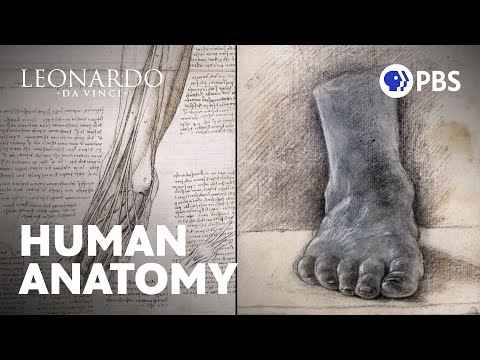
So, picture this: a dude named Leonardo da Vinci is wandering around in the 15th century, sketching everything from flying machines to… wait for it… human bodies. Yeah, you heard me right! This guy wasn’t just painting masterpieces; he was seriously digging into how our insides work.
Can you imagine showing up at a party back then and being like, “Hey, I just dissected a cadaver today”? That’s dedication! But seriously, da Vinci’s curiosity about anatomy didn’t just chill in his sketchbook. It launched a whole new way of thinking about the human form that still influences us today.
Let’s unravel this wild story together! How did Leonardo become the unsung hero of the human anatomy science we know and love? Ready to explore?
Exploring Leonardo da Vinci’s Contributions to Human Anatomy and Scientific Discovery
Leonardo da Vinci was not just a brilliant artist; he was also a curious scientist. His contributions to human anatomy and scientific discovery are fascinating and, honestly, pretty groundbreaking for his time.
Early Curiosity
From a young age, Leonardo had this insatiable curiosity about how everything worked. It wasn’t just about painting; it was about understanding the world around him. You might say he was like that kid who always asks “why?” when you explain something. His dedication pushed him to explore anatomy in ways that many people hadn’t thought of before.
Cadaver Studies
To really learn about the human body, Leonardo did something that most folks back then avoided—he studied cadavers. Yeah, he opened them up to look at muscles, bones, and organs! While this might sound gruesome today, back in the late 1400s and early 1500s, it was quite a rare pursuit. He meticulously sketched what he observed, producing detailed drawings of the body. Imagine being one of those students looking over his shoulder as he drew: it must have been mind-blowing!
Detailed Sketches
Leonardo’s sketches were revolutionary. He drew things like the heart’s chambers, the skeletal structure, and how muscles worked together to enable movement. These weren’t just doodles—they were scientific illustrations that captured details no one else had recorded before. Some of his anatomical drawings anticipated findings that wouldn’t be confirmed until centuries later.
The Vitruvian Man
One of his most famous illustrations is the Vitruvian Man. This drawing isn’t only about proportions; it reflects Leonardo’s belief in the harmony between man and nature. He figured out how to connect art with science by showcasing human measurements as they relate to geometry. It’s like he was saying: “Hey, look! We’re not just random beings; there’s a science behind our bodies!”
Anatomical Theories
His theories were equally cool! For instance, he suggested that human bones functioned somewhat like levers—something engineers still find useful today when designing machines or even buildings! By applying these concepts from anatomy into other fields like engineering or art techniques, Leonardo created this incredible crossover knowledge that really fueled innovation later on.
The Legacy of Collaboration
What’s super interesting is how collaborative science became because of people like Leonardo. His work opened doors for future anatomists who followed in his footsteps—like Andreas Vesalius who is often hailed as the father of modern anatomy.
In short, through his detailed studies and creative visions, Leonardo da Vinci laid down important groundwork for both anatomy and scientific discovery itself—bridging art with science in ways that changed perceptions forever! So next time you see a picture or hear someone talk about human anatomy in an exciting way, remember there’s a little bit of Da Vinci’s spirit in all those discussions!
Exploring Leonardo da Vinci’s Pioneering Contributions to Science and Innovation
Leonardo da Vinci was not just a master painter; he was also a true pioneer in the realms of science and innovation. It’s pretty mind-blowing when you think about all the stuff he explored centuries ago. Like, he had this insatiable curiosity about the world around him. This thirst for understanding led him to study human anatomy in a serious way, which laid the groundwork for modern biological science.
One of the things da Vinci is famous for is his detailed anatomical sketches. He dissected over 30 human bodies (yikes!) to figure out how everything worked. His drawings showed muscles, organs, and even tendons in such detail that they’re still valuable today. It’s astonishing to see how he combined art and science. He didn’t just want pretty pictures; he was all about accuracy, you know?
Da Vinci’s Contributions to Anatomy:
- Anatomical Accuracy: His sketches were groundbreaking because they depicted the human body with an accuracy that was rare at the time.
- The Musculoskeletal System: He illustrated how muscles connect to bones, showing movement mechanics like no one had before.
- The Heart and Circulation: da Vinci studied the heart’s structure extensively. Although he didn’t fully understand circulation as we do today, his observations were miles ahead of his time.
His work on anatomy wasn’t just about understanding bodies but also figuring out how they worked mechanically. Think of it like engineering for humans! He wanted to discover the principles behind movement and how everything works together.
You know what’s really interesting? His studies influenced not only anatomy but also fields like physiology and biomechanics. So when people talk about him being a “Renaissance Man,” it’s because he bridged so many disciplines!
Okay, imagine this: One day in his workshop, surrounded by sketches, models, and tools, da Vinci suddenly starts thinking about flight. And guess what? He began designing machines inspired by birds! You could say that his scientific mindset—that blend of observation and creativity—was crucial in laying down ideas that circle back around today with things like aviation.
Innovation Beyond Anatomy:
- Aerodynamics: His flying machine designs used principles of lift early on.
- Engineering Principles: Da Vinci invented early versions of cranes and other machines based on his anatomical studies.
These explorations exemplify how interconnected these ideas were for him. For Leonardo, studying anatomy wasn’t just an academic thing; it was deeply tied to innovation in arts and sciences alike!
When you look at Leonardo’s legacy today through modern lenses—like technology or medicine—you see how much we owe him for sparking curiosity across multiple fields. Seriously! If only we could’ve sat down with him over coffee (or whatever they drank back then) to discuss his crazy theories! The guy was decades ahead on so many levels!
So yeah, Leonardo da Vinci wasn’t just doodling in a notebook; he was shaping science as we know it now through careful observation mixed with an artistic eye. That combo is what made his contributions stand timelessly relevant—like echoes across history that still inspire scientists today!
Exploring Leonardo da Vinci’s Ongoing Journey in Anatomy: Insights into Science and Human Form
Leonardo da Vinci isn’t just famous for his paintings like the *Mona Lisa*, you know? He was a total whiz when it came to anatomy too. His curiosity about the human body was absolutely remarkable and, well, it still resonates today.
How did he get into anatomy? Well, Leonardo was driven by this insane passion for understanding how everything works. He believed that to be a great artist, you really needed to understand your subjects deeply. So, he started studying anatomy like it was the most thrilling mystery novel ever.
He actually got his hands dirty—literally! Leonardo would dissect human bodies. He did this in secret because back then, you know, it wasn’t exactly cool to be poking around in corpses. Still, he managed to produce more than 240 detailed anatomical drawings. Each one showed off muscles, organs, and even the skeletal system with crazy precision.
With each sketch, he didn’t just capture what things looked like; he also explored how they worked together. For instance:
- Muscle Structure: His drawings showed how muscles are layered and connect to bones.
- Heart Function: He was one of the first to show how blood flows through the heart.
- The Brain: Leonardo’s sketches of the brain were groundbreaking back then—he even depicted its ventricles!
When I think about his work in anatomy, an emotional anecdote comes to mind from a documentary I watched about him. One of his last studies illustrated a woman giving birth—it wasn’t just about showing off what happens but understanding deeply what that experience is like for women. It’s this profound respect for life that makes his work so compelling.
Now let’s talk about his legacy. Leonardo’s anatomical studies laid down some seriously important groundwork for modern medicine. This dude questioned ideas from ancient texts and made observations straight from reality! So many later scientists built on his findings—he inspired a ton of folks across centuries.
Even today, we see echoes of his influence in medical illustrations and animations that help us digest complex information about our bodies. And artists? They still look at his drawings as guides for capturing human form accurately.
The thing is, while Leonardo passed away over 500 years ago, we’re still unpacking insights from his work! His approach of blending art with science has created this continuous journey—a kind of bridge connecting creativity with medicine that we’re still walking today.
In short, if you take a quick peek at da Vinci’s contributions to anatomy—like muscle mechanics or organ layouts—you realize just how ahead of his time he truly was. And honestly? His quest continues to inspire generations both in art and science today!
Leonardo da Vinci is one of those figures that make you think, wow, what a mind! I mean, the guy was not just an artist; he was a true Renaissance man. You might picture him painting the Mona Lisa or sketching the Last Supper, but he was also all about human anatomy. It’s kinda incredible when you think about it.
I remember taking a biology class back in school. We started dissecting frogs, and I was all nervous and squeamish at first. But then I got into it, like really into it! It opened my eyes to the complexity of life and how everything’s connected in our bodies. That’s what Leonardo did hundreds of years ago—he took that curiosity to another level.
Back in his day, anatomy wasn’t exactly viewed through a scientific lens like we know today. You know, hospitals weren’t breeding grounds for research; they were more like places where people went to die. But Leonardo? He made it his mission to understand the human body inside and out. He went so far as to break taboos by dissecting cadavers and sketching every little detail. His notebooks are full of anatomical drawings that are stunning—not just for their accuracy but for their artistry too.
Here’s something cool: have you seen his drawings of muscles and bones? They’re not just technical; they look alive! It’s as if he could feel the movement in them. His keen observations laid the groundwork for later scientists who really kicked off modern anatomy studies. So when people talk about advancements in medicine today, Leonardo’s influence is lurking somewhere back there, maybe even grinning at how far we’ve come.
What really blows my mind is how he combined art with science—two realms we often think are separate—but actually go hand-in-hand in understanding life itself. He showed us that knowing how things work can be just as beautiful as creating them from scratch.
So yeah, Leonardo da Vinci left this massive legacy that goes beyond just his genius artwork or his cool inventions. He opened doors for future anatomists and artists alike to explore human existence with a sharp eye and an open heart. Every time we peek inside ourselves through medical imaging or even just appreciate our own bodies’ complexity, we can give a nod to this incredible figure who dared to ask questions—and then answered them with creativity and passion!