Okay, so imagine this: you’re chilling in your backyard, trying to enjoy a nice cup of coffee, and suddenly you hear a lawnmower roaring like a jet engine. Seriously, right? It’s like nature is trying to have a quiet moment, and then boom—noise pollution crashes the party!
But here’s the kicker: it’s not just annoying. This racket messes with ecosystems in ways we don’t even realize. And while we’re at it, let’s not forget about light pollution. Ever looked up at the stars in the city? Yeah… me neither! They’re basically hiding because of all this urban glow.
So, what’s the deal with light and noise? Well, they’re like those uninvited guests that disrupt everything—birds can’t sing properly, turtles get confused on their way to the beach, and honestly? It creates chaos. Buckle up; we’re diving into how these two troublemakers mess with our planet’s vibe!
Exploring the Impact of Urbanization on Noise and Light Pollution: A Scientific Perspective
Urbanization is like this double-edged sword we have to deal with. On one side, it drives economic growth and development. But on the flip side, it throws a bunch of stress at the environment, especially when we talk about **noise** and **light pollution**. Both have some serious effects on ecosystems, and let me tell you why that matters.
So, first off—what’s noise pollution? Basically, it’s all the unwanted sounds that drown out the quiet natural world. Think of traffic horns, loud construction equipment, and even those late-night partying neighbors. According to studies, exposure to constant noise not only affects humans but can also disrupt animal behavior and communication. For instance, birds rely on songs for mating and territory claims. When everything’s loud as heck, they struggle to hear themselves or each other!
Now onto light pollution—it’s that bright haze we see over cities at night. You know how sometimes you can’t see a single star because of street lights? That’s light pollution making it hard for animals to follow their natural cycles. Nocturnal creatures like owls or bats depend on darkness for hunting and navigation. Bright city lights can confuse them or alter their hunting patterns.
Let’s break this down a bit more:
- Impacts on Wildlife: Many species have specific times they come out to hunt or mate based on the time of day or night. Noise can disrupt these rhythms.
- Plant Growth: Plants also need darkness at certain times to grow properly. Artificial light can mess with their growth cycles!
- Human Health: Yes, we’re part of this ecosystem too! Chronic exposure to noise can lead to stress or sleep disturbances.
Now think about urban areas where both types of pollution intersect; it’s like one big chaotic soup! For example, in cities buzzing with life (read: noise) during the day and lit up like a Christmas tree at night (thanks to all those neon signs), animals often just don’t know how to cope anymore.
We all know what it’s like when you’re trying to sleep but there’s a party going on nearby; it’s irritating! Well imagine being an animal who relies heavily on nighttime cues for survival—it’s kind of tragic when you think about it.
Interestingly enough, some cities are starting initiatives aimed at reducing both kinds of pollutions through better planning—like creating green spaces where people can relax while also providing habitats for wildlife! Isn’t that an awesome conversation starter?
In short, urbanization is putting pressure on our ecosystems with noise and light pollution messing up the balance of nature in ways we maybe don’t fully grasp yet. But by understanding these impacts better, we can advocate for changes that not only benefit us but also our furry and feathered friends out there struggling under city lights and sounds daily!
So next time you hear a honking horn or see another streetlight flickering outside your window late at night, remember: it’s impacting more than just your evening stroll or your cozy Netflix binge session—it’s whispering chaos into nature’s ear too!
The Impact of Noise and Light Pollution on the Biosphere: Exploring Ecological Consequences and Solutions
Noise and light pollution are two major players messing with ecosystems around the globe. They might seem like just annoying background noise or glaring streetlights, but they’ve got serious consequences for wildlife and plants. So, let’s break it down, shall we?
Light Pollution is all about artificial lighting. It disrupts the natural rhythm of life. For example, many animals depend on day-night cycles for breeding and feeding. Sea turtles, for instance, hatch on the beach at night and head toward the moon’s reflection on water. When those beaches are lit up with bright lights, they can get confused and head in the wrong direction, which is not good news for their survival.
Noises, on the other hand, come from stuff like traffic, construction sites, or even loud music at night. This constant racket can be super stressful for animals. Some birds find it hard to communicate because their songs get drowned out by all that sound pollution. You know how frustrating it is when you can’t hear someone talking right next to you? Imagine that happening in the wild where animals need to call out warnings or attract mates!
Now let’s talk about ecological consequences. Both noise and light pollution can change behaviors among species and even affect their physical health. For example:
- Disruption of Migration Patterns: Birds migrate based on seasonal changes influenced by light; artificial lights can lead them astray.
- Impaired Predator-Prey Relationships: Noisy environments make it tough for predators to hunt or prey to hide effectively.
- Reduced Reproductive Success: Some species may struggle with reproductive success if they can’t properly signal mate readiness due to noise interference.
- Dietary Shifts: Animals may change their eating habits if light pollution alters where they usually forage at night.
You might say it’s just a minor inconvenience, but these small details accumulate over time! Just think back to when a loud construction site made you lose your train of thought or sleep—now imagine that level of distraction being your entire existence! It’s a big deal!
The good news is there are ways we can help mitigate these issues. Simple changes like using warm-colored lights, shielding outdoor lighting to limit glare, or reducing nighttime illumination where possible can make a huge difference for wildlife. Habitat restoration also plays a vital role—it ensures creatures have safe places away from our disruptive activities.
You see? Each step counts! The interplay of noise and light pollution impacts ecosystems significantly but addressing these problems doesn’t have to be monumental. Small tweaks in our behavior could lead to significant benefits for our biosphere! So next time you’re out enjoying nature at night—or even just your backyard—think about what those streetlights might be doing beyond just lighting your way!
Exploring the Effects of Noise and Light Pollution on Atmospheric Conditions
You know, when we think about pollution, we often picture dirty air or plastic in the ocean. But there’s more to it! Light and noise pollution are two types that might not seem like a big deal at a glance, but they can really shake things up in our ecosystems and, surprisingly, the atmosphere too.
Let’s break it down a bit. Light pollution happens when artificial light brightens our night skies. Think about that glowing street lamp or the bright neon signs. This excess light messes with the natural cycles of plants and animals. For example, birds may start singing at odd hours because they think it’s dawn when it’s really just your neighbor’s outdoor lights.
On the flip side, we’ve got noise pollution — that never-ending hum of traffic, construction noise, or even loud music. This constant racket can stress out wildlife and disturb their natural behaviors. You might not realize this, but many animals rely on sound for communication. Birds sing to attract mates; whales use sophisticated calls to find each other across vast oceans. If they’re drowning in background noise, their relationships could take a hit!
The thing is, both light and noise pollution create a sort of haze over how organisms interact with their environment. Picture a time when you tried to focus on something important while someone keeps blasting loud music nearby; frustrating, right? That’s how creatures feel too! And get this: these disturbances can also affect atmospheric conditions.
- Temperature Fluctuations: Artificial lights can contribute to local warming — yes! They radiate heat which mixes with natural temperature patterns.
- Mood Changes: Just as changing light can affect our mood (like how sunny days make us happy), plant and animal behavior gets altered too.
- Pest Populations: Believe it or not, insects are attracted to urban lights! That means more pests around homes and even farms.
- Affecting Weather Patterns: Noise disrupts air pressure variations which could also impact precipitation formation in certain areas.
An example? Researchers found that urban areas experience different rainfall patterns compared to rural regions because all those buildings (and the noise) disrupt airflow. It’s like throwing rocks into a calm pond; everything starts rippling out in unexpected ways!
I remember visiting a quiet park once at night—just me and my thoughts under an expansive starry sky disturbed only by the occasional chirping of crickets. It felt magical! Imagine if that peace was broken by constant car horns and glaring streetlights instead; I’d feel like I was in some weird sci-fi movie! This goes beyond just our enjoyment of nature; it disturbs the delicate balance of ecosystems that have been developing for eons.
Overall, tackling both light and noise pollution isn’t just about making our lives more comfortable—it’s crucial for keeping our environments thriving too. So next time you see those bright signs or hear city sounds at night, think about what else is feeling those vibrations!
You know, it’s pretty wild how we humans have this ability to mess with things without even realizing it. Like, think about it: light and noise pollution are everywhere, and they’re not just annoying—they really shake up ecosystems in ways that are super intriguing.
A while ago, I was wandering through a city park at night. The lights were blaring like it was midday, and there was this constant background hum of traffic. And then I spotted a couple of little critters trying to navigate through the chaos. It hit me—these creatures don’t stand a chance! They rely on natural cues from their surroundings to thrive and survive. When those cues get drowned out by artificial lights or honking cars, everything goes haywire.
Let’s talk about light pollution first. Ever looked up at the stars in a place with zero artificial light? It’s breathtaking! But in cities, all those twinkling stars fade into oblivion. That bright glow can confuse animals that use the night sky for navigation. For example, sea turtles hatchlings instinctively move toward the brightest signals—the ocean—but streetlights send them in the opposite direction to disaster.
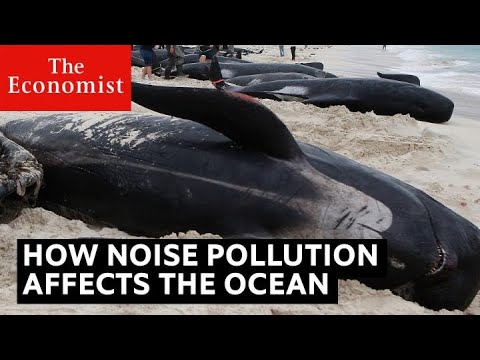
Now, noise pollution is like that annoying friend who just won’t shut up during your favorite movie—you can’t focus on anything else! Animals rely on sounds for communication, mating calls, and even hunting. Birds might struggle to find their mates if they can’t hear their songs over traffic noise. And underwater? Well, boats create so much sound that dolphins can lose track of each other.
But why does this matter? Because ecosystems are all about balance! When one thing gets thrown off-kilter—like an increase in noise or erratic lighting—the effects ripple through the entire system. Predators might struggle to hunt effectively while prey species feel more vulnerable than ever.
The coolest part is how some species adapt but also how fragile life really is—it’s kind of heartbreaking yet hopeful at the same time! If we could just take a moment to step back and recognize our impact on these little worlds around us, maybe we’d become more mindful in our daily lives.
So yeah, when you think about your own habits—like leaving lights on outside or cranking up the music late at night—it’s not just about you. These actions have real consequences for wildlife trying to make their way in a world that feels increasingly foreign due to our interference. It’s something worth pondering while enjoying nature’s beauty or simply soaking in those quiet moments away from civilization’s buzz.