You know when you trip over your own feet and wonder what the heck just happened? Yeah, I’ve been there too. One moment you’re walking, and the next, you’re face-planted on the sidewalk—classic!
But seriously, that little stumble is all about how your skeleton and muscles work together. It’s like a wild partnership where bones are the sturdy support beams and muscles are the ones doing all the heavy lifting. Kind of like having a reliable friend who carries your snacks while you hold onto the awkwardly large soda.
Ever thought about how that whole system works? The way your leg muscles pull on your bones to help you sprint, dance, or even just stand up without tipping over? It’s pretty mind-blowing when you think about it!
So let’s chat about this incredible duo of skeletons and muscles. How they team up to make us move—and sometimes trip!
Exploring the Interconnection of Bones and Muscles in Movement: A Scientific Perspective
So, you know when you watch athletes or dancers move? It’s like they’re gliding across the floor, just full of grace and power. But what’s actually going on under all that smooth motion? Well, the magic happens thanks to bones and muscles working together in a tight-knit team. Let’s unpack this a bit.
First off, let’s talk about bones. Your skeleton is made up of **206 bones** (give or take a few depending on your age). These bones form the framework of your body. They protect your organs, give your body structure, and serve as levers for movement. Imagine them as the sturdy scaffolding holding everything in place.
Next up are muscles. Muscles are these incredible bundles of tissue that contract and relax to produce movement. You’ve got three types: skeletal, smooth, and cardiac muscle. But for our purposes, we mainly care about **skeletal muscles** because they connect to bones via tendons and are responsible for voluntary movements—like waving goodbye or doing a backflip! Pretty cool, right?
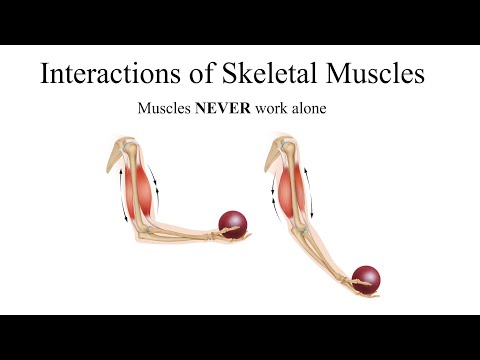
Now here’s where it gets interesting: the **interconnection between bones and muscles** is what allows you to move at all! When a muscle contracts, it pulls on the tendon attached to a bone, which then moves that bone at a joint. Think of it like pulling on a string attached to a door; you pull the string (muscle), which moves the door (bone). This coordination is crucial for any kind of movement.
Here are some key points about this dynamic duo:
- Joints: These are where two or more bones meet. They allow for different types of movements—like bending your elbow.
- Antagonistic pairs: Muscles often work in pairs. One muscle contracts while its partner relaxes. For example, when you flex your bicep (contracting muscle), your tricep must relax so you can lift your arm.
- Energy use: Muscles need energy to work! They rely on ATP (adenosine triphosphate), which is produced through various metabolic processes in your body.
- Neuromuscular system: Your brain sends signals down nerves to tell muscles when to contract or relax—this is essential for coordinated movements.
Have you ever tried balancing on one foot? It might seem easy until you really think about it! Your brain’s constantly sending out messages to engage certain muscles while relaxing others just so you don’t topple over. It’s like an intricate dance happening inside of you!
And during exercise? Well, that’s where things get really wild! When you’re running or lifting weights, both the bones and muscles adapt over time due to stress—they grow stronger together as they push against each other repeatedly during movement.
So next time you’re getting ready for some action—whether it’s playing soccer with friends or just stretching out after sitting all day—remember that those simple motions involve an amazing collaboration between skeletons and muscles working tirelessly behind the scenes to help you move freely through life! Isn’t science neat?
Understanding the Synergy of Bones and Muscles: The Science Behind Musculoskeletal Function
There’s something really cool about how our bodies work, especially when you think about bones and muscles. They’re like best friends, always teaming up to help us move around and do all sorts of things. Let’s break it down a bit, shall we?
The Skeleton System
So, first off, let’s chat about the skeleton. It’s not just some structure that holds your body up; it’s super important in so many ways. Your bones protect vital organs—like your heart and brain—and they also produce blood cells in their marrow. Crazy, right? Think of them as both a shield and a factory at the same time.
But here’s where it gets interesting: bones are dynamic. They’re constantly changing through a process called remodeling. If you were to fall or bump your arm really hard (ouch!), your body activates cells that break down old bone and replace it with new stuff. It’s kind of like upgrading your software but for your skeleton!
Muscles: The Movers
Now onto muscles! These incredible tissues contract and relax to create movement by pulling on bones. Picture this: when you want to lift something heavy—say, a box of all those old video games—your brain sends signals to specific muscles in your arms and back saying, “Hey, time to work!”
Your muscles are divided into three types—skeletal (those that move bones), smooth (found in organs), and cardiac (your heart!). Skeletal muscles are what we usually think of when we consider strength training or athletics.
How They Work Together
Here’s where the magic really happens: bones and muscles function synchronously. When you decide to take a step forward, your brain coordinates the muscle contractions which pull on the bones of your legs, helping you move.
You might not know this, but there’s also connective tissue involved – tendons! Tendons attach muscles to bones. So when those bicep muscles flex to lift that box I mentioned earlier, they’re tugging on tendons that then pull on the bone in your upper arm.
Proprioception
Ever heard of proprioception? It might sound fancy, but it’s just our body’s ability to sense where we are in space. That means even with your eyes closed; you know if you’re standing up straight or if you’re leaning too far back on the couch while binge-watching! This skill is also thanks to signals sent from our muscles and joints back to our brain.
Injuries and Recovery
Sometimes though—oops—you might overdo it or get hurt while playing soccer or doing yoga! That can lead to strains or sprains which are basically injuries related to these muscle-bone connections. Muscles might be too weak for an intense workout or maybe overused without enough rest; it happens!
When recovering from injuries like these, understanding how those muscle-bone relationships work can make all the difference in getting back on track without risking further harm.
At the end of the day, when considering musculoskeletal function, keep in mind that this duo works together seamlessly for every little movement you make –from running marathons to simply scratching an itch! Bones provide structure; muscles provide movement – so they both need each other more than you’d think!
Exploring the Synergy Between Skeletal and Muscular Systems in Human Movement
Okay, let’s talk about the fascinating relationship between our skeletal and muscular systems. You might think of them as two best buddies, working together to get you moving. Seriously! Without one, the other wouldn’t really function as well.
The skeleton provides structure. It’s like the framework of a house. You’ve got bones that form this robust support system, protecting vital organs and allowing us to stand upright. But it’s not just about looking good; bones also provide attachment points for muscles.
On the flip side, we have the muscular system. Muscles are like the engines that power our movements. They contract and relax to create motion by pulling on the bones at those attachment points I mentioned earlier. So when you decide to wave hello or run after a bus, it’s your muscles sending signals to pull those bones in just the right way.
- Muscle Contraction: When a muscle contracts, it shortens and pulls on a bone. Think of your bicep when you flex your arm—it’s doing exactly that!
- Joint Motion: Our joints (like knees and elbows) are where bones meet. Muscles pull on these bones across joints to create movement. That’s why we can bend our knees easily—thanks to both our muscles and skeleton working in harmony!
- Balance and Coordination: Have you ever tried balancing on one foot? Your skeletal system supports you while your muscles engage intensely to keep you steady. This synergy is essential for simple tasks like walking or complex activities like dancing.
You know how sometimes when we don’t exercise for a while, our muscles get weak? Well, if they don’t pull on our bones enough through movement, it can actually lead to bone loss over time! An interesting story from my friend who loves rock climbing really illustrates this point: One day he decided to take a break from climbing for a few months. He felt fine initially but noticed his strength was fading quickly—and guess what—when he got back into climbing, his movements felt off! His body was losing muscle strength right along with some minor bone density because he wasn’t using them together.
The body constantly communicates within these systems too! When we engage in physical activity, signals are sent from our muscles to our brain about what is happening during movement—this helps coordinate everything perfectly without you even thinking about it! It’s like having an internal team meeting with each muscle giving updates so everything runs smoothly.
So basically, whenever you’re moving—whether running marathons or simply stretching before bed—remember there’s an incredible teamwork happening between your skeletal and muscular systems making it all possible!
This teamwork emphasizes why staying active is super important; keeping both muscles strong helps maintain bone health too! Movement encourages this epic synergy between them for better overall health.
You know, there’s something really cool about how our bodies work together. I mean, think about it: the skeleton and muscles are like a perfectly choreographed dance team. They rely on each other to make everything happen, from a simple wave of your hand to running a marathon. Seriously, the way these two parts of us interact is just fascinating!
So, here’s the thing; our skeleton is not just a bunch of rigid bones stacked together. It acts like a sturdy framework that supports our body and protects vital organs. But without muscles, it would be kind of like having a beautiful house with no doors or windows—just standing there, doing nothing. Muscles are what bring that structure to life! They pull on bones to create movement. It’s like they’re giving the skeleton directions: “Hey bone, move this way!”
I still remember learning about this in school during gym class when we did that one activity where we had to mimic different movements—like reaching up high for an imaginary apple hanging in a tree or squatting down low to pick up something off the ground. I felt how my muscles coordinated with my bones during every single motion—it was kind of eye-opening! You could literally feel those tiny connections working in sync.
Now picture this: every time you take off running or even just get out of your chair, your brain sends signals through your nerves telling your muscles which ones should contract and which should relax. And it all happens so fast! I can’t help but think about all the little adjustments happening every split second; it’s like your body is constantly throwing mini parties for each movement you make!
But there’s also something really delicate about this relationship. If you think about an injury—a sprained ankle or pulled muscle—it can throw everything off balance for weeks or even months. That reminds us that our bodies require care and strength training to keep everything functioning smoothly.
It’s amazing how interconnected we all are—not only physically but also emotionally through activities like dancing or sports that bring people together in shared movements. Each leap and spin tells its own story within that interplay between skeletons and muscles.
So next time you do something as simple as stretching or reaching for the top shelf, take a moment to appreciate how all these components work so seamlessly together! It’s pretty incredible how we take for granted this basic yet intricate partnership that allows us to move through life with grace and purpose.