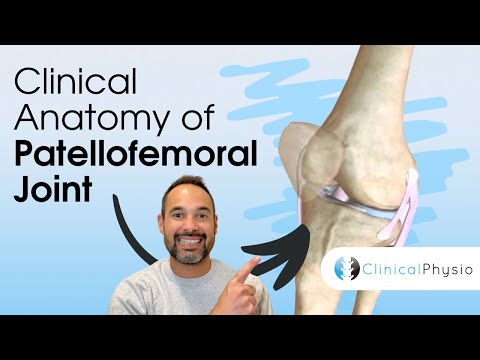
You ever kicked a coffee table in the middle of the night? Ouch, right? That jolt up your leg comes from your patella, or as most of us like to call it, the kneecap. Sounds simple enough, but this little bone does way more than just make you go “ahh!” when you stub your toe.
So, let’s chat about this cool piece of your anatomy. The patella is like the body’s secret weapon in movement. Seriously, it’s got some tricks up its sleeve that help you run, jump, and even settle down for a Netflix binge without feeling like a tin man.
You might not think too much about it unless something goes wrong—then bam! You’re suddenly aware every time you sit down or take a stroll. But trust me; understanding what makes this small bone tick is pretty fascinating. Let’s peel back the layers and see just how essential your kneecap really is!
Understanding the Structure and Function of the Patella: Insights from Anatomy and Physiology
The patella, you know, that little round bone sitting in front of your knee, is kind of a big deal! It’s also known as the kneecap and plays a crucial role in how our knees work. To really appreciate it, we need to dig into its structure and function.
Structurally speaking, the patella is a sesamoid bone, which means it’s embedded in a tendon. More specifically, it resides within the quadriceps tendon at the knee. Its main job is to increase the leverage of the quadriceps muscles when you kick or straighten your leg. Imagine trying to lift something heavy; having that little extra boost makes a huge difference!
But wait, there’s more! The patella has an interesting shape. It’s roughly triangular and concave on the back side where it articulates with the femur (that’s your thigh bone). This smooth surface helps reduce friction during movement—like oiling squeaky hinges on a door.
- Protective Shield: The patella protects deeper structures in your knee from injury. Think of it as a shield for those important ligaments and tendons!
- Pivotal Role in Motion: During activities like walking or running, the patella helps maintain proper tracking of the knee joint. When you bend your leg, this little guy glides smoothly over the femur.
- Joint Stability: The alignment and stability provided by the patella are crucial for preventing dislocations and other injuries. Without it functioning correctly, things can go downhill pretty fast.
This all came to life for me when I twisted my knee playing basketball one summer afternoon—ouch! It turned out my patella wasn’t tracking properly due to some imbalance in my muscles. A bit of physical therapy helped me rebuild that strength, letting me return to court without fear.
Now let’s talk about physiology—the fancy term for how everything works together inside us! The patellar tendon connects the bottom part of the kneecap to your shin bone (the tibia). When your quadriceps contract during movement, they pull on this tendon and essentially create a lever system that makes bending and straightening your leg much easier.
The patella also has its own blood supply through small vessels around it; these help keep it healthy. And just like any other part of our body, injuries or wear can happen over time. Conditions like patellar tendinitis, sometimes referred to as “jumper’s knee,” can arise from overuse—even if you’re not an athlete!
The takeaway? The patella may seem small compared to other bones in your body, but its role in mobility and stability is gigantic! So next time you bend down or sprint after something you dropped (like that snack you just can’t reach), give a nod to your hardworking kneecap—it totally deserves some appreciation!
Understanding the Biomechanical Role of the Patella in Human Movement and Joint Function
Sure thing! Let’s break down the patella and its role in our movement, shall we?
The **patella**, or kneecap as most people call it, is a small bone that plays a pretty big role in how we move. It sits right at the front of the knee joint and is shaped kind of like a triangle. This little guy isn’t just hanging out there for decoration; it’s got some serious functions that help us walk, run, and jump.
First off, one of its main jobs is to protect the knee joint. Think about it: your knees take a beating every day when you’re walking up stairs or playing sports. The patella acts as a shield for the underlying structures—stuff like tendons and ligaments—that are crucial for movement.
But wait, there’s more! The patella also helps with **force distribution**. When your thigh muscles (the quadriceps) contract, they pull on the patellar tendon which then helps extend your knee. By doing this, it provides a smoother path for those forces to move through your leg instead of hitting just one spot hard.
Another cool thing about the patella is that it increases leverage. Basically, when your quads pull on that tendon, having the patella in place means they can generate more force to extend your leg. Without it, you’d lose some serious power when you try to straighten that leg out.
Now let’s talk about how this all fits into movement and function:
- Joint Stability: The patella plays a crucial role in stabilizing the knee joint. By acting as a fulcrum for your muscles, it helps keep everything aligned as you bend and straighten your leg.
- Biomechanics: Its position changes depending on whether you’re bending or straightening your leg. That motion allows for better biomechanics during activities like running.
- Cushioning: The cartilage on the underside of the patella reduces friction between the bone surfaces during movement—kind of like oiling up rusty gears!
You know what’s really interesting? There may be times when all this cushioning doesn’t work as well as it’s supposed to—like if people have conditions such as chondromalacia (which is basically where that cartilage softens). That can lead to pain and issues with mobility.
I remember once hearing someone describe their experience with knee pain after running a marathon. They struggled because their **patilla** was not tracking properly due to muscle imbalances around their knees. It really brought home how vital this little bone is for optimal movement!
In short, understanding how important the **patella** is gives you an appreciation for those everyday movements we sometimes take for granted. So next time you’re bounding up stairs or playing basketball with friends, give a little nod to that unassuming kneecap—it deserves it!
Exploring the Anatomy and Function of the Patella in Motion: A Comprehensive PDF Guide
The patella, or the kneecap, is such an interesting little bone. You might not think about it much until you bang your knee or trip over something. But seriously, it plays a crucial role in your body’s movement and stability.
Anatomy of the Patella
To get started, the patella is a small, flat bone located in front of the knee joint. It’s shaped kind of like a triangle, with the point facing down towards your foot. This bone sits in a groove at the end of the femur (that’s your thigh bone), which helps it glide smoothly when you bend and straighten your leg.
The patella has a tough outer layer called **articular cartilage**. This slippery stuff allows it to move easily against other bones without wearing out too quickly. Think about how ice skates glide over ice; that’s similar to what happens with your patella in motion!
Function: Why It Matters
So why should we care about this little guy? The patella has a few vital jobs:
- Protection: It shields the knee joint from injuries during activities like running or jumping.
- Leverage: The patella increases the leverage that the thigh muscles (the quadriceps) can exert on the lower leg. This means you can kick or jump better!
- Stability: It helps stabilize the knee joint during movement, keeping everything in place.
Imagine you’re playing soccer and you go to kick the ball—your quadriceps contract and pull on your knee through the patellar tendon, which then powers that awesome kick. Pretty cool, huh?
The Patellar Tendon
Now let’s chat about the connection between the patella and those quad muscles I mentioned earlier. The **patellar tendon** connects your quadriceps to your tibia (the shin bone). When you bend your knee, this tendon plays an important role by transmitting forces from those powerful thigh muscles through to your lower leg.
If you’ve ever felt pain right below your kneecap after lots of squats or jumping around—yeah, that’s often because that tendon is feeling overworked!
The Patella in Motion
When you walk or run, every time you flex and extend your knee, you’re putting pressure on that poor little patella. It’s like being a part of an intense dance routine that’s both demanding and repetitive!
During these movements:
– The **patella moves** up and down within its groove.
– It also rotates slightly as you change direction.
This fluid motion not only keeps things functioning smoothly but also protects against wear and tear on other components of your knee.
Just think about how often you’re moving those knees throughout daily life—climbing stairs, jogging after kids at the park—you get my drift!
Common Issues
Sometimes though, problems can arise with this handy little bone:
– Patanolla tendinitis: Overuse can cause pain and tenderness.
– PFS (Patellofemoral syndrome): This is when people experience discomfort around their kneecap due to imbalances.
If you’ve ever felt weird pains while moving around—it could be related to how well this entire system works together.
In summary, understanding what our patella does gives us insight into not just our knees but overall mobility. Keep giving it some love—a good stretch now and then helps keep everything working well!
The patella, or kneecap, is one of those unsung heroes in our body that we often take for granted until something goes wrong. I remember the first time I twisted my knee during a soccer game. It turned out to be just a sprain, but boy, did it make me appreciate how critical that little bone really is.
So, let’s talk about the patella for a moment. Picture it as this triangular shield that sits right in front of your knee joint. It basically acts like a pulley for your thigh muscles—those strong quads that power your ability to run, jump, or even just stand up from your chair. When you bend your knee, the patella glides along a groove at the end of your thigh bone—and it’s pretty cool how smoothly it works most of the time.
Now here’s where it gets interesting: this bone isn’t just sitting there doing nothing; it plays a key role in protecting your knee joint from potential damage and helps stabilize everything when you’re moving. Without it, your tendons would have to work way harder to keep things together. Just think about running down the street without a patella—yikes!
The structure is fascinating too! The patella is made up of something called cartilage on the surface—this slick stuff that allows bones to glide over each other easily. And underneath? Well, that’s where all the magic happens with layers of connective tissue and muscles working together like a well-rehearsed dance troupe.
But sometimes things go wrong. Overuse or injury can lead to conditions like patellar tendinitis or chondromalacia (which sounds super complicated but just means wear and tear). Trust me when I say, you’ll feel every bit of discomfort in those moments.
So yeah, while we might not think about our kneecaps on a daily basis, they are crucial players in keeping us moving smoothly through life. Next time you’re running down stairs or kicking a ball around, give a little nod to your patella—it truly deserves some recognition for all the hard work it does!