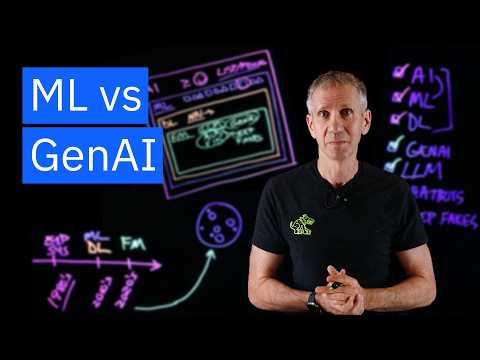
You know that feeling when your phone can guess your mood based on what music you’re playing? Yeah, that’s machine learning working its magic! It’s like having a really smart friend who knows exactly what you want before you do.
So, here we are, in a world where computers are not just calculators but can learn from data and make decisions. Wild, huh? Imagine machines analyzing heaps of scientific info faster than we can say “data overload.”
But wait—this isn’t just about computers made for sci-fi movies. It’s about pushing the boundaries of science itself! From predicting diseases to tackling climate change, machine learning is shaking things up in the lab and beyond.
But what does it all mean for you? Well, whether you’re a scientist, a student, or just curious about the future, there’s something cool happening here. The whole idea is to harness this technology and drive innovation in ways we never thought possible. Sounds exciting? I think so! So let’s unravel this together.
Essential Guide to Machine Learning Fundamentals for Advancing Scientific Innovation (PDF)
Machine learning is like giving computers the ability to learn from data, kind of like how we learn from experience. Imagine teaching a child to recognize fruits—at first, they might mix up an apple with an orange, but over time, they start figuring it out based on what they see. That’s machine learning in a nutshell.
What is Machine Learning?
So, here’s the deal: machine learning is a branch of artificial intelligence that focuses on creating algorithms that can learn and make predictions based on data. Instead of programming rules, you feed the machine lots of examples. Then it learns patterns and can make decisions or predictions on new data.
Here are some foundational elements:
- Supervised Learning: This is where you provide labeled data—like pictures of cats and dogs with their labels. The algorithm learns from these examples.
- Unsupervised Learning: Here, there are no labels. It’s about finding hidden patterns or groupings in data. Think clustering different shapes without knowing their names.
- Reinforcement Learning: Picture training a dog using treats as rewards for good behavior. In this case, the algorithm learns by trial and error through feedback.
Why does this matter for science? Well, machine learning is revolutionizing how scientists analyze massive amounts of data. For instance, think about genetics; researchers can uncover patterns in DNA sequences that relate to diseases without manually sifting through millions of samples.
The Role of Data
Now let’s chat about data—it’s like fuel for a car; without it, nothing moves forward! The more quality data you have, the better your model can perform. But collecting good data isn’t always easy! There are issues with noise (irrelevant information), bias (flaws in how data was collected), and overfitting (when a model learns too much detail from training data but fails with new info).
There are real-world stories where machine learning has made waves. Take drug discovery: algorithms sift through compounds much faster than humans could ever dream of doing! Instead of years or months spent analyzing potential drugs on petri dishes one by one, machines analyze thousands of simulations at lightning speed.
Challenges Ahead
But it’s not all smooth sailing; there are challenges lurking around every corner—like understanding and interpreting how these models work. Sometimes they seem like black boxes—if your model predicts something bizarrely off course, figuring out why might feel like cracking a secret code!
Also important: ethical considerations come into play big time! You know how important it is to ensure that algorithms don’t reinforce biases present in society? If not handled well, they could lead to unfair practices in everything from hiring decisions to healthcare recommendations.
The Future!
Looking ahead—integration between machine learning and scientific research continues to grow stronger with advancements in technology and computing power. Imagine using AI not just for predictions but also for generating hypotheses! It’s thrilling to think about where this will take us next!
So yeah, machine learning isn’t just techy jargon; it’s reshaping our approach to scientific inquiry altogether! By understanding these fundamentals and embracing them wisely, we’re all set for some incredible innovations down the road!
Fundamentals of Machine Learning: A Comprehensive PDF Guide for Scientific Applications
Machine learning, you know, it’s become such a big deal in recent years. It’s like the secret sauce behind so many cool innovations, especially in science. So, let’s break it down into bite-sized pieces.
What is Machine Learning?
At its core, machine learning is about teaching computers to learn from data. Imagine you have a pet that you want to teach tricks to. You reward it for doing things right and gradually, it learns what you expect. That’s pretty much how machine learning works! The computer gets fed a bunch of data, and with enough examples, it figures out patterns without being explicitly programmed for every single task.
Types of Machine Learning
There are a couple main types of machine learning:
Applications in Science
Now let’s touch on how this stuff actually gets used in science because that’s where it can really shine.
In genomics, for instance, scientists use machine learning algorithms to analyze vast amounts of genetic data. They can predict disease susceptibility by identifying genetic markers faster than traditional methods.
In environmental science, researchers employ these techniques to model climate patterns and make predictions about future changes based on historical data. They crunch tons of numbers from satellites looking at weather changes over decades!
And don’t even get me started on astronomy! Machine learning helps sort through zillions of stars and galaxies captured in images. It identifies celestial bodies or unusual patterns that human eyes might miss.
The Challenges Ahead
But hey, it’s not all sunshine and rainbows! Machine learning comes with its own set of challenges:
The Future Looks Bright
As we move forward into this new age tech-wise, machine learning will likely keep influencing scientific innovation across various fields. With ongoing research focusing on making algorithms more interpretable and fairer—plus advancements in computing power—we’re just scratching the surface.
So next time someone mentions machine learning as just another geeky trend, remember: it’s weaving itself into the fabric of scientific discovery every day! Isn’t that pretty exciting?
Exploring the Fundamentals of Machine Learning with Microsoft: A Scientific Approach
Machine learning is like teaching a computer how to learn from data, which is kinda cool when you think about it. Instead of just programming the computer with a set of rules, we give it loads of data and let it figure things out on its own. It’s like training a puppy; you show it what to do by giving examples, and eventually, it learns the tricks. Isn’t that just mind-blowing?
So let’s break down some fundamentals here. First off, there are a few key concepts that you really can’t miss.
- Data: This is the backbone of machine learning. The more quality data you have, the better your model can learn. Think of data as the fuel for your machine-learning engine.
- Algorithms: These are the recipes or methods we use to process the data. Some common ones include decision trees and neural networks. They help in making predictions based on what they’ve learned.
- Training: This step involves feeding data into our algorithms so they can learn patterns. It’s kinda like cramming for an exam—only instead of studying books, machines chew through tons of information.
- Testing: After training, we need to test our models to see how well they learned. This is where we check if they can make accurate predictions on new, unseen data.
Now, let’s talk about Microsoft. They’ve been diving deep into machine learning and have built some pretty powerful tools like Azure Machine Learning. It’s all about making this technology accessible and useful for everyone—from big corporations to small startups.
Here’s an interesting story: imagine a scientist trying to predict the spread of a disease outbreak using historical health data. Instead of manual calculations that could take forever and might not be super accurate, they could use machine learning models trained on various factors—like temperature changes, population density and even social media trends! The model learns from past outbreaks and helps scientists make faster decisions in real-time. That’s scientific innovation at its finest.
Now let me hit you with some practical applications:
- Predictive Maintenance: Businesses use machine learning for predicting equipment failures before they happen—saving time and costs.
- Drug Discovery: In health sciences, algorithms analyze biological data to find potential new drugs much quicker than traditional methods.
- Climate Modeling: Machine learning helps climate scientists in forecasting weather patterns or understanding climate change effects based on vast troves of environmental data.
The beauty here isn’t just in raw computation but also in collaboration between human insight and machine efficiency—it really creates this amazing synergy!
In summary—it sort of feels like we’re just scratching the surface with all this tech stuff! Machine learning has limitless possibilities across different fields—not only making tasks more manageable but also propelling scientific discoveries forward at dizzying speeds. So next time someone talks about AI or machines doing heavy lifting in science—you’ll know there’s much more than meets the eye!
Machine learning, huh? It’s one of those buzzwords you keep hearing everywhere, but what does it really mean for science and innovation? I remember the first time I stumbled upon it. I was at a tech expo, and a guy was explaining how machines could learn from data without being programmed specifically for tasks. My brain did a little flip. Like, wow, that sounds like something out of a sci-fi movie!
So, let’s unpack this a bit. At its core, machine learning is all about teaching computers to recognize patterns in data—like how you might notice when your friend always orders the same thing at a café. The more they gather experience (or data), the better they get at making decisions or predictions based on what they’ve learned.
You know, scientists have been using machine learning to tackle problems that are just too huge or complex for traditional methods. Think about climate modeling. They have to analyze massive amounts of data from various sources—satellite images, temperature logs—you name it! Machine learning can help identify trends and make predictions about future climate scenarios much faster than if we tried to do it all manually. That’s kind of amazing when you think about it.
But there’s more! In medicine, for instance, algorithms are now assisting doctors in diagnosing diseases more accurately by analyzing patient data and medical images. It’s like having a super-smart assistant by your side! I once heard about a hospital that used AI algorithms to find early signs of breast cancer in mammograms. The results were promising; detecting issues sooner can literally save lives.
Of course, with any innovation comes the need for caution. There are ethical considerations too—like ensuring that these systems are fair and don’t inherit biases from the data they’re trained on. You wouldn’t want a machine making decisions based on flawed information because that could lead to some serious problems down the line.
So basically, as thrilling as machine learning is for scientific innovation, it’s crucial that we keep our eyes open while exploring its potential. Balancing enthusiasm with ethical responsibility will be key as we navigate this brave new world together!