So, you know when you’re trying to teach your dog a new trick? You grab some treats, toss in a bit of patience, and hope for the best. Well, machine learning is kinda like that! Except instead of dogs, we’re working with data. And instead of treats, we’ve got algorithms.
I mean, picture it: feeding your computer heaps of information and watching it learn all on its own. It’s like magic! But way nerdier.
Have you heard about Scikit-Learn and TensorFlow? These tools are like the golden retrievers of the machine learning world—super friendly and ready to help you out with your projects. If you’ve ever thought about diving into this techy stuff but felt overwhelmed, don’t worry. We’ll break it down together.
Let’s uncover some cool innovations in machine learning that are changing the game! You’ll see how these tools can make your life easier and maybe even impress your friends at the next get-together. So chill out; we’re just getting started!
Exploring the Frontiers of Deep Learning in Scientific Research: Innovations and Applications
Oh man, deep learning is such a cool topic! Basically, it’s this subset of machine learning that really takes off when you throw a ton of data at it. So, let’s break down what’s happening with deep learning in scientific research and some of the nifty innovations popping up these days.
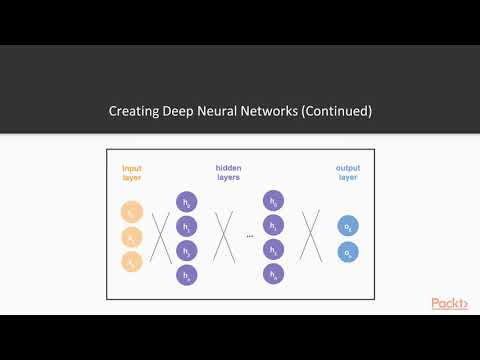
First off, you might be asking: what’s deep learning anyway? Well, it’s like teaching computers to learn from huge amounts of data—kind of like how we learn from experiences. But instead of just one layer of understanding (think: a simple math problem), deep learning uses multiple layers. That’s why they call it “deep.” Each layer extracts different features from the data, which helps the machine figure out more complex patterns.
One major player in this field is TensorFlow. It’s an open-source framework developed by Google that makes building and training deep learning models easier. You can create stuff like neural networks without needing to be a coding genius! There are also other tools like Scikit-Learn that focus more on classic machine learning methods but can still be super handy when combined with deeper networks.
Here are some exciting areas where researchers are really making waves:
- Medicine: Deep learning is changing diagnostics. For example, it can analyze medical images to spot tumors with impressive accuracy. Some algorithms have even shown to match or beat doctors in detecting cancer.
- Chemistry: Researchers use deep learning for drug discovery. Instead of sifting through endless compounds manually, models can predict how effective certain drugs will be before testing in labs.
- Astronomy: Scientists analyze massive amounts of astronomical data using these techniques. Machine learning helps find new celestial bodies by recognizing patterns in the data that would take humans ages to uncover.
- Climate Science: Want to predict weather patterns or model climate change? Deep learning helps process and analyze complex climate data which plays a big role in forecasting and understanding shifts.
These applications sound amazing already, right? But there’s a catch—data quality! The better and cleaner your data is, the better your model’s gonna perform. It’s like trying to bake bread; if you use all-purpose flour instead of something funky like sawdust, you’ll get way tastier results.
Another cool thing? Collaborations between scientists and engineers are popping up everywhere! In this era where fields merge—like biology with computer science—you get this explosion of creativity and innovation. It’s kind of magical how insights from one area can fuel breakthroughs in another.
And let me tell you—this isn’t just about crunching numbers or keeping up with trends; it has real human impact! Think about someone diagnosed early because a computer flagged something unusual in their scan—that could literally save lives.
But hey, while there are so many cool things happening, we’ve gotta stay cautious too. Ethical considerations around privacy and bias in algorithms need attention because they can affect outcomes if not handled thoughtfully.
So there you go—a peek into the wild world where deep learning meets scientific research! It’s transforming how we approach problems across various disciplines while giving us tools we never even dreamed possible before. And who knows what else lies ahead on this crazy journey into the future?
Exploring Machine Learning Innovations with Scikit-Learn and TensorFlow: A Comprehensive Guide
Machine learning is like a magic trick, except it’s real and super useful! You see, instead of pulling rabbits out of hats, we’re training computers to learn from data. And two really cool tools that help us do this are Scikit-Learn and TensorFlow. Let’s break it down.
What is Scikit-Learn? It’s a Python library that makes machine learning accessible. Imagine it as your toolkit for building models. It has a bunch of pre-built functions to help you classify things, predict outcomes, and even cluster data together without breaking a sweat. Like when you’re trying to group your music playlists—Scikit-Learn can help with that!
- A straightforward interface: If you’re just dipping your toes in the machine learning pool, Scikit-Learn is like a friendly lifeguard giving you floaties.
- Pre-processing tools: Need to clean up your data? It has functions for that! Think of it as tidying up before having guests over.
- Diverse algorithms: You can choose from tons of different algorithms based on what you’re trying to achieve.
Now let’s talk about TensorFlow. This one’s a heavy hitter in the machine learning arena—basically the gym for your neural networks. Developed by Google, TensorFlow is not just about ease; it’s also super powerful for deep learning.
- Flexibility: With TensorFlow, you can create complex architectures for neural networks. It’s like building Lego houses but with way more pieces!
- Large-scale support: TensorFlow thrives when processing huge amounts of data. So if you’ve got millions of images or texts to analyze, this guy’s got your back.
- Ecosystem: There are extensions like Keras that make building deep learning models easier within TensorFlow.
So how do these two work together? Well, they can complement each other perfectly! You could start with Scikit-Learn for initial experiments and then switch to TensorFlow when you’re ready to scale up.
Think about this: if you’re watching a basketball game and trying to predict who will win based on stats (points scored, assists), Scikit-Learn helps whip up predictions quickly with fairly simple models. Once you’ve got the hang of it and want more accuracy—you transition into using TensorFlow for deeper analysis or even creating neural networks that look at video highlights or player movements.
Understanding machine learning doesn’t need to feel like deciphering ancient hieroglyphics! These tools keep evolving, making them even easier and cooler each day. And remember: experimenting is key! The last thing I want to say is that hands-on practice will show you all these concepts in action. So don’t hesitate; get coding!
Mastering Machine Learning in Science: A Comprehensive Guide to Scikit-Learn, Keras, and TensorFlow (3rd Edition)
Curious about machine learning? You’re definitely not alone! It’s like a buzzword these days, popping up everywhere from tech meetups to coffee shop chats. So let’s break it down a little.
Machine learning is basically a way for computers to learn from data, kinda like how we learn from experiences. Instead of coding every single rule, you feed the machine tons of data, and it figures things out on its own. This can sound super complicated, but with tools like Scikit-Learn, Keras, and TensorFlow, you can make the process more manageable.
Scikit-Learn is great for beginners. It’s a library in Python that makes machine learning tasks easier and more intuitive. Seriously, you could whip up a model using just a few lines of code! It has lots of handy functions for classification, regression, clustering—you name it.
- Classification: This is where you tell the model to sort data into categories. Think about spam detection in your email!
- Regression: Here, you’re predicting continuous values. For example, predicting house prices based on features like size or location.
- Clustering:This groups similar data points together without any labels. Imagine figuring out customer segments based on their buying habits.
Then there’s Keras. Now this one steps it up a notch! Keras runs on top of TensorFlow (which we’ll get to next) and gives you an easy way to build deep learning models—think neural networks that mimic how our brains work. So if you wanna dive into more complex tasks like image recognition or natural language processing, Keras is your go-to.
Feel like flexing your skills? Check this out: you can take an image dataset (like cats vs dogs) and train a model in Keras to classify them correctly! The beauty here is that with just some tweaks in the architecture or hyperparameters (those are settings for how the model learns), you’ll see different results.
Now onto TensorFlow. This one might sound intimidating because it’s powerful and versatile but don’t worry too much! TensorFlow helps with building deep learning models from scratch while giving you room to customize everything under the hood if you’re feeling fancy!
But why does this matter in science? Well, researchers are using these techniques for all sorts of things—from analyzing genes in biology to predicting climate change patterns in environmental science.
Imagine being able to identify new drug compounds by analyzing massive datasets quickly or predicting weather anomalies before they happen—that’s machine learning innovation right there!
To sum it up:
- Scikit-Learn: Perfect for starters wanting to dabble.
- Keras: Ideal when diving deeper into neural networks.
- TensorFlow: Great for custom-built advanced models.
So as technology progresses and scientists tackle complex problems with data-driven solutions, these tools will be crucial in making sense of all that information floating around. And who knows? Maybe you’ll find inspiration here to start tinkering with machine learning yourself!
So, machine learning is like this big, cool playground where computers learn stuff on their own. Isn’t that neat? It’s kinda like when you picked up a bike for the first time. At first, it felt wobbly and awkward, right? But then you got the hang of it and suddenly you were flying down the street, wind in your hair! That’s how these machine learning libraries work—Scikit-Learn and TensorFlow are two popular ones that help make that ride smoother.
Let’s talk about Scikit-Learn first. This tool is like your friendly neighbor who knows just how to fix everything around the house. It’s super user-friendly and perfect for beginners wanting to dip their toes into data analysis and basic machine learning tasks. You can plug in your data, choose some algorithms, and voilà! You’re off to the races.
I remember this one time I was trying to predict my friend’s birthday cake flavor using Scikit-Learn (yeah, it sounds silly!). We gathered data from previous birthdays—like flavors people liked—and used a model to predict what cake she might want next year. The result? A surprisingly accurate forecast! And honestly, seeing that cake in front of her was a little victory in itself.
Now, TensorFlow is like that ambitious older sibling who suddenly decides they want to become a rockstar or something—way more complex but also way cooler once you get into it. TensorFlow is fantastic for deep learning projects where you need serious muscle and flexibility. It’s often used for things like image recognition or natural language processing (you know, getting computers to understand our grumpy texts!).
I once tried creating a simple neural network with TensorFlow just out of curiosity. Let me tell you—it took more head-scratching than I thought! But as I learned about its layers and structures, it felt empowering seeing those connections come to life on screen.
Both libraries really stand out because they open up so many possibilities—from making recommendations based on what you love to developing chatbots (like mine!) that can have conversations with you. And here’s the kicker: these innovations are constantly evolving! Researchers are always pushing boundaries, leading to new breakthroughs we never even dreamed of before.
It’s exciting stuff—like being at the forefront of an unfolding story where every page brings fresh twists and turns. Honestly? It’s inspiring how much creativity and innovation come from something so technical yet accessible at the same time. You might not think you’re doing much by playing around with some data or algorithms now but trust me; you’re partaking in something truly revolutionary!