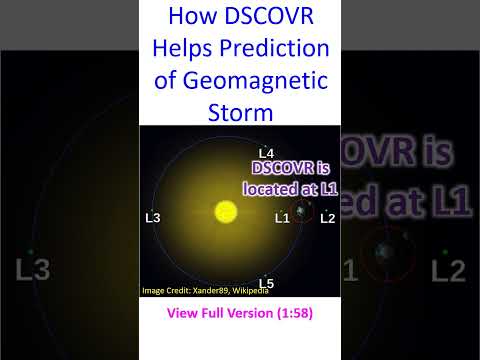
So, picture this: you’re out camping, the stars are shining, and suddenly the northern lights start dancing across the sky. It’s like nature’s own light show, right? But then you think, wait—what if there’s a magnetic storm brewing up there?
I mean, we’ve probably all heard of storms that bring rain and wind, but what about the ones way up in space? Yep, those exist too! And they can seriously mess with our technology.
It’s wild to think that our planet has a magnetic shield that can get rattled by cosmic events. So, how do scientists figure out when these storms are coming? Buckle up as we explore how forecasting magnetic storms works! Trust me, it’s more fascinating than it sounds!
Predicting Geomagnetic Storms: Insights and Methodologies in Space Weather Science
Predicting geomagnetic storms is like trying to read the universe’s weather report. It’s a bit tricky, but scientists have developed some pretty cool methods to figure out when these storms might hit. So, what are geomagnetic storms anyway? Well, they’re disturbances in Earth’s magnetic field caused by solar wind and coronal mass ejections (CMEs) from the Sun. Imagine the Sun as a big fireball blasting charged particles into space. When those particles collide with Earth’s magnetic field, they can create stormy conditions up there.
To get started with predictions, scientists rely on both observational data and computer models. They use satellites like the Solar and Heliospheric Observatory (SOHO) to keep an eye on solar activity. If a big CME is headed our way, they can send alerts that warn us about potential storms on Earth.
- Solar Observations: Scientists observe sunspots and solar flares using telescopes. More sunspots often mean more solar activity.
- Magnetometers: On Earth, these devices measure changes in the magnetic field in real-time.
- Weather Models: Just like weather forecasts for rain or snow, space weather models simulate how CMEs will interact with Earth’s atmosphere.
You might be wondering why this matters. Well, geomagnetic storms can mess with satellites and even power grids here on Earth! I remember when a major storm hit back in 1989—parts of Quebec lost power for nine hours because of it! Seriously crazy stuff.
Scientists also use something called space weather indices, which help assess the intensity of the storm. One popular index is the K-index. It’s a scale from 0 to 9 that shows how much disturbance there is in Earth’s magnetic field at different geographical locations.
But predicting these storms isn’t just about looking at instruments; it also involves understanding past events. By studying historical data and patterns of geomagnetic activity, scientists gain insights into what might happen next. It’s kind of like how meteorologists analyze old weather patterns to forecast future conditions.
One key takeaway here is that while we’re getting better at predicting geomagnetic storms, there’s still a lot we don’t know yet! These predictions are rarely 100% accurate because space is full of variables that can change quickly—like an unexpected change in wind direction on Earth.
In short, predicting geomagnetic storms combines high-tech tools and clever methodologies to bring us closer to understanding space weather. And who knows? With ongoing research and advancements in technology, maybe one day we’ll know exactly when those cosmic tempests will strike!
Exploring the Role of Meteorology and Atmospheric Sciences in Modern Weather Forecasting Techniques
Meteorology and atmospheric sciences, well, they play a huge role in how we predict the weather. It’s like having a super detailed map of what’s happening in our atmosphere. Picture yourself standing outside, feeling a cool breeze and looking up at the clouds. All that is thanks to meteorologists who study these elements and use fancy technology to make predictions.
Weather forecasting isn’t just about guessing whether it will rain tomorrow or if it’s going to be sunny. It’s built on complex systems that look at various factors in the atmosphere. Meteorologists gather data from satellites, radar, and weather stations around the world. This data is then analyzed using computer models that simulate the atmosphere’s behavior.
So, when it comes to magnetic storms, also known as geomagnetic storms, meteorology plays a role here too! These storms happen when solar winds hit Earth’s magnetic field. Just like those pesky thunderstorms can interfere with your plans, magnetic storms can affect satellite communications and GPS. Meteorologists work alongside space scientists to predict these events by monitoring solar activity.
- Solar Observations: Satellites like ACE (Advanced Composition Explorer) track solar winds and provide crucial real-time data.
- Computer Models: Advanced models help forecast how these solar winds interact with Earth’s magnetosphere.
- Research Collaboration: Scientists from different fields come together to improve predictions for space weather.
Here’s something cool: do you remember when you experienced a blackout or some glitchy phone service during a storm? That could’ve been due to a magnetic storm messing up things up in space!
Now let’s break down why this prediction business is important. Meteorology isn’t just looking at clouds; it’s about understanding how all parts of our environment interact with one another:
1. **Climate Impact:** Knowledge about upcoming magnetic storms can help protect infrastructure like power grids.
2. **Safety Measures:** Airlines need to reroute flights during severe conditions caused by space weather.
3. **Technological Resilience:** By predicting storms, industries can prepare their systems to minimize disruptions.
So next time you hear about the weather forecast or any news about magnetic storms, just know there are some really smart folks working hard behind the scenes! They’re piecing together all sorts of data and trying their best to keep us informed—whether we’re planning our weekend barbeque or just trying to get through Monday morning traffic. Weather forecasting really connects us all in unexpected ways!
Essential Tools and Technologies Used by Scientists for Hurricane Trajectory Prediction
When it comes to predicting the path of hurricanes, scientists rely on a mix of **advanced tools and technologies**. You know, it’s not just about looking at the sky and guessing what will happen next! They use a variety of sophisticated methods to analyze data and make accurate forecasts.
One major tool is **satellite imagery**. These satellites orbit Earth, capturing detailed images of weather patterns and storm systems from space. They can show you everything from cloud formation to wind speeds, giving meteorologists a bird’s-eye view of what’s brewing in the atmosphere. So, how cool is that? This information is crucial for understanding how hurricanes develop and travel.
Another important piece is **buoys** located in oceans. These floating devices collect data about ocean temperatures and wave heights. Why do we care about that? Well, warm ocean water fuels hurricanes, so knowing the temperature helps scientists estimate how strong a storm might get as it moves over water.
Then there’s **computer modeling**, which is seriously high-tech stuff! Scientists create simulations based on current data to predict future hurricane paths. They use computer programs that solve complex mathematical equations related to fluid dynamics—basically simulating the atmosphere’s behavior during different scenarios. You can think of it as making a video game where you control the weather!
Meteorologists also study **radar technology** on land. Doppler radar can pick up on precipitation levels and wind directions within storms. It’s like having super vision! By analyzing this data in real-time, they make immediate predictions about how a hurricane might change direction or intensity.
Lastly, let’s not forget about **historical data**! Researchers have tons of past hurricane records that help them understand patterns over the years. This knowledge feeds into their models too because history tends to repeat itself—just like that catchy song you heard last summer!
To sum up, forecasting hurricanes involves an awesome array of tools:
- Satellites: Provide crucial images from space.
- Buoys: Measure ocean temperatures.
- Computer models: Simulate possible future paths.
- Doppler radar: Offers real-time data on storm dynamics.
- Historical records: Help identify patterns over time.
So next time you hear about a hurricane prediction, remember all those scientists behind the scenes working with these amazing tools to keep everyone informed and safe!
You know, it’s pretty wild when you start to think about the invisible forces shaping our planet. I mean, magnetic storms might not come up in regular chit-chat, but they play a huge role in space weather. Yep, space has its own kind of weather!
So here’s the deal: our Earth is like this massive magnet. It has a magnetic field that protects us from solar winds—those high-energy particles that shoot out from the sun. But sometimes, these solar winds get a little rowdy, especially during solar flares or coronal mass ejections. When that happens? Well, you guessed it—magnetic storms.
Now, forecasting these storms isn’t as straightforward as checking the weather app on your phone for rain. Scientists have developed some pretty sophisticated tools to predict when and how intense these storms will be. They use satellites and ground-based sensors to monitor solar activity and model what could happen when these particles hit our atmosphere.
But here’s the kicker: despite all those fancy tools and calculations, predicting magnetic storms is still tricky business. There’s a lot we don’t fully understand about how these solar events interact with Earth’s magnetic field. Just think about it—sometimes it can feel like predicting your friend’s mood after they’ve had a long day at work!
I remember one time being outside on a chilly night and seeing this amazing aurora borealis dance across the sky. Just gorgeous greens and purples lighting up everything around me! That was actually linked to a magnetic storm that had been forecasted days in advance. It was mind-blowing to see how something happening millions of miles away could create such beauty right here on Earth.
But not all forecasts lead to stunning light shows; some can cause disruptive effects, like messing with GPS signals or even knocking out power grids if they’re strong enough! So while scientists are getting better at predicting these events, there’s still an element of uncertainty.
It kinda reminds you that no matter how advanced we become in understanding our universe, there’s always something lurking just beyond our grasp—and that is both humbling and thrilling at the same time.