Did you know that a jellyfish can actually live forever? I mean, how cool—and kinda creepy—is that? While we’re out here stressing about deadlines and life choices, this little dude is just floating around, aging in reverse.
But alas, not all marine creatures are as lucky. Our oceans face some serious threats—pollution, climate change, overfishing—sounds like a real bummer, right? Yet, what if I told you there are some ingenious folks out there cooking up innovative ideas to protect our beautiful blue planet?
Seriously! From funky underwater drones to community-led initiatives that make a real difference. It’s kinda heartwarming how creativity can spark hope amidst the chaos. So let’s chat about those cool approaches to marine protection and conservation that are turning the tide for our oceans!
Exploring Innovative Strategies in Conservation Science: A New Approach to Protecting Biodiversity
So, you know how our oceans are kind of like the heart of the planet, right? They’re home to an insane amount of biodiversity—like, more than half of all marine life! But here’s the kicker: human activities are putting a serious dent in that. Overfishing, pollution, and climate change are just a few of the players on this not-so-fun team. That’s where innovative strategies in conservation science come into play. They’re like the superheroes we didn’t know we needed in this fight for biodiversity.
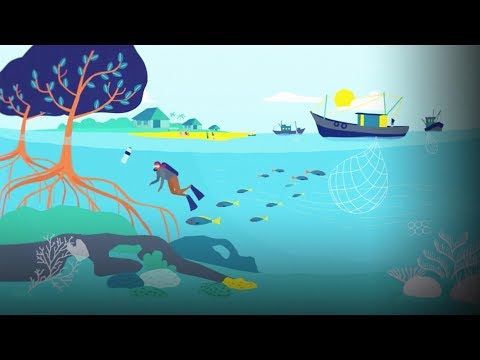
One approach that’s gaining traction is community-based conservation. This means involving local folks in protecting their own marine environments. Think about it: who knows a place better than the people who’ve lived there for generations? By empowering communities to manage resources sustainably, you get better outcomes and healthier ecosystems. It’s like turning the community into guardians of their own backyard!
Another interesting strategy is marine protected areas (MPAs). These are specific regions where human activity is limited or managed to protect wildlife and habitats. There’s been a trend towards making these areas bigger and better managed. For example, you might have heard about places like the Phoenix Islands Protected Area in Kiribati. It covers millions of square kilometers! That’s massive! The whole idea here is to create safe havens for marine life to thrive without interference.
Then there’s the idea of using technology to boost conservation efforts. Have you seen those underwater drones or remote sensors? They’re pretty nifty! These tools can help scientists monitor fish populations without disturbing them too much. Plus, by collecting data on ocean temperatures and pollution levels, researchers can identify hotspots that need urgent attention. Basically, technology helps scientists work smarter—not just harder!
Another cool angle involves restoration efforts. You know how sometimes a garden needs a little TLC? Well, marine ecosystems do too! Coral reefs are one example where restoration projects focus on replanting corals and improving water quality. Some teams have even experimented with using 3D printing technology to create artificial reefs that provide habitats for fish and other creatures.
Lastly, let’s talk about collaboration across borders, because marine issues don’t recognize country lines! Countries getting together for joint conservation efforts can lead to more successful outcomes. Think treaties or agreements aimed at protecting migratory species like turtles or whales—they’re up against lots of challenges across their ranges.
So yeah, these strategies show promise as we tackle some really tough challenges ahead for marine biodiversity conservation. It takes innovation, collaboration, and maybe a bit of creativity—like bringing together people from different backgrounds with unique ideas—to make it all work out well in the end.
It’s definitely an exciting time in conservation science as new ideas are constantly popping up—each one adding its own twist to how we think about protecting our precious oceans!
Exploring Innovative Technologies in Marine Conservation: Advancements in Ocean Science
Marine conservation has been making waves lately, and it’s all thanks to some seriously cool innovations in technology. We’re talking about stuff that can help protect our oceans and the incredible life that calls them home. Imagine a world where the seas are healthier, and marine creatures are thriving. That’s what these advancements aim for!
One of the standout innovations is **drones**. Yup, those flying gadgets we’ve all seen in the sky are now being used to monitor marine life from above. They can spot illegal fishing activities or track whale movements without disturbing them. The thing is, drones save time and offer a big-picture view of what’s happening in vast ocean areas.
Then we have **buoys** equipped with fancy sensors that collect data on sea temperature, salinity, and more. This info helps scientists understand climate change effects on oceans. By monitoring these changes, we can better predict how marine ecosystems will react over time.
Another impressive tech tool is **underwater robots** or ROVs (remotely operated vehicles). These little critters dive deep into the ocean to explore places where humans can’t go easily—think dark, deep trenches or coral reefs at risk of bleaching. They send back live video feeds, allowing researchers to study habitats while remaining out of harm’s way.
And don’t forget about **satellites**! They’re like the ultimate watchmen for our oceans. With their help, scientists can monitor ocean currents, track harmful algal blooms, and even detect oil spills from space! It’s like having a superpower that helps protect vast expanses of water.
Now let’s talk about **artificial intelligence (AI)**! This tech is transforming how we analyze marine data. By using AI algorithms to sift through massive amounts of information collected from various sources—like images or sound recordings—we can identify patterns and changes in marine populations faster than ever before.
On top of that, there are also advances in **biotechnology**, such as developing resilient coral species through genetic engineering. These engineered corals could withstand warmer waters or higher acidity levels due to climate change—that’s pretty mind-blowing!
In a more hands-on approach, conservationists have even started using **community-driven apps** that allow local fishers to report catches or sightings directly to scientists. This collaboration creates better data for managing fish stocks sustainably while empowering communities.
All this tech sounds amazing—but there are challenges too! Not everyone has access to cutting-edge tools or training opportunities needed to utilize them effectively. So while innovations are growing rapidly in marine conservation, there’s still work needed to ensure everyone benefits equally from these advancements.
It’s honestly an exciting time for ocean science! With all these innovative technologies rolling out one after another; they hold real promise for preserving marine ecosystems for generations to come. Just think about our oceans thriving again—that would be something worth celebrating!
Emerging Trends in Marine Conservation: Advancements in Science and Sustainability
So, marine conservation is this super important topic that’s gaining a lot of attention lately. You know how our oceans are like the lungs of the Earth? They’re home to tons of species and help regulate our climate. But they’re in deep trouble, like seriously! Overfishing, pollution, and climate change are just a few of the nasty challenges. Here’s where emerging trends in marine conservation come into play.
Technology is changing the game. We’ve got some pretty cool advancements that are helping scientists monitor ocean health. For instance, using satellite technology allows researchers to track fish populations and monitor illegal fishing activities from space! Can you believe it? It’s like having eyes everywhere on our oceans.
Then there’s Drones. These little flying machines can capture images and data over vast areas without disturbing marine life. Instead of sending people out on boats for hours, researchers can now gather important information in a fraction of the time. Seriously, it’s like upgrading from a flip phone to a smartphone!
Another cool trend is called marine protected areas (MPAs). Think of them like national parks but underwater. These areas restrict human activity to help ecosystems recover. The thing is, protecting these regions isn’t enough by itself; we’ve gotta be smart about how we manage them too.
Oh! And what about scientists teaming up with local communities? Like in some places around the world, coastal residents are taking charge of their fisheries. By doing this, they can ensure sustainable practices are followed while benefiting economically from healthier fish stocks. It’s kind of heartwarming to see people working together with science for better ocean health.
And then we have organizations experimenting with restoration projects. For example, coral reefs have been hit hard by warming waters and bleaching events. Some teams are now trying out “coral gardening,” where they grow coral in nurseries before replanting them in damaged areas! It’s like giving reefs a second chance at life.
But here’s something that might surprise you: even art and storytelling have roles in marine conservation too! When artists create stunning visuals or share touching stories about ocean life, they pull at our heartstrings—and that sparks interest and action among people who might not normally pay attention to these issues.
Anyway, the future looks kind of hopeful with all these emerging trends shaking things up in marine conservation. Even though we’ve got some serious battles ahead, these innovative approaches show that change is possible if we all pull together—like one big ocean-loving family!
You know, marine protection and conservation is such a big deal nowadays. Just think about it for a second. Our oceans cover more than 70% of the Earth’s surface and are like this vast treasure chest of life. Yet, they’re in serious trouble thanks to pollution, climate change, overfishing, and all that jazz. It’s kind of heartbreaking when you realize how interconnected everything is.
There was this time when I went to the beach with some friends. We were out there enjoying the sun and surf when we stumbled upon a bunch of plastic waste washed up on shore. It hit me hard—like, why do we let our oceans get to this point? But at the same time, witnessing groups of people coming together to clean up reminded me that not all hope is lost. There are some really cool innovative approaches popping up that are making a difference.
Take marine protected areas (MPAs), for instance. They’re basically safe zones for marine life where fishing and other destructive activities are restricted or banned altogether. These areas allow ecosystems to recover and thrive again! And the cool thing? Some scientists are using tech like satellite imagery and drones to monitor these MPAs more effectively—like real-time protection for underwater creatures!
And then there’s the whole concept of community-led conservation projects. Local groups often have a better grasp on what their marine environments need than outside organizations, right? There’s something empowering about communities taking charge and creating sustainable practices that benefit both them and their surroundings.
We can’t forget about innovation in aquaculture either! With fish farming becoming smarter—using less space and avoiding cruel practices—we might just be able to take some pressure off wild fish populations while still satisfying our seafood cravings.
So yeah, it seems like there’s always room for creativity in how we approach protecting our oceans. New ideas may come from anywhere—students creating apps that track ocean health or artists using their art to raise awareness about polluted waters! It’s all super inspiring.
Sure, there’s still a long way to go before our oceans are truly safe again—but seeing these innovative methods gives me hope, you know? We just have to keep pushing forward together because every little effort counts in this vast world of water wonder waiting to be cared for!