You know that feeling when you slather on sunscreen and it feels like you’re wearing a ghost costume? Yeah, not the best look. Well, buckle up! It turns out there’s some seriously cool stuff happening in the world of sun protection that could change all that.
Imagine being able to protect your skin from harmful rays without feeling like you’ve smeared paste all over. Sounds dreamy, right? That’s where nanotechnology steps in, making sunscreen lighter and way more effective.
So, what’s the scoop? The tiny particles in these new sunscreens can actually work magic at blocking UV rays while being super easy to apply. Less mess, more sun-kissed fun! Ready to explore this exciting twist on an everyday necessity? Let’s brighten up your summer plans!
Advancements in Nanotechnology: Transforming Sun Protection Strategies in Scientific Research
Nanotechnology is like a magic wand in the world of science. It deals with materials at a super tiny scale—think about atoms and molecules. You’re talking about things that are 1 to 100 nanometers in size. To give you a sense of how small that is, a human hair is about 80,000 to 100,000 nanometers thick! So when we say advancements in nanotechnology are changing sun protection strategies, we’re really diving into something pretty cool.
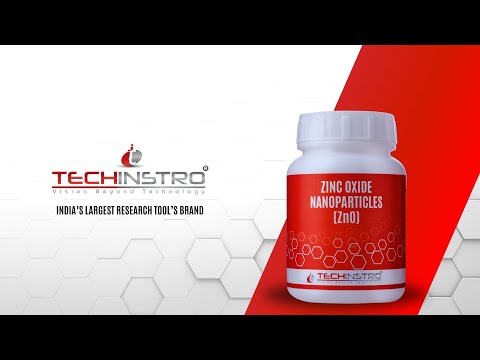
So what’s the big deal? Well, traditional sunscreens usually rely on chemical filters to block sun rays, which can sometimes be irritating to our skin. In contrast, nanoparticles, especially those made from zinc oxide or titanium dioxide, have been developed to do this job much better. These tiny particles scatter and absorb UV radiation effectively while being less irritating. Plus, they’re less visible on the skin compared to those thick white pastes of yore!
Here’s how these advancements shape up:
- Skin Penetration and Protection: Nanoparticles can penetrate deeper into the skin layers without causing harm. This means they offer more effective protection than traditional sunscreens.
- Improved Stability: Nano-sized materials can boost the stability of sunscreen formulations against heat and light degradation. This increased resilience ensures that your sunscreen lasts longer on the shelf—and on your skin!
- Sustainability: Some new formulations even reduce the amount of product needed for effective sun protection. Less product means less waste—good for you and for the planet!
Oh man, I remember my first trip to the beach with friends as a kid—sunscreen was like this gooey mess we’d slather all over each other just to avoid nasty sunburns! But now? With these nifty innovations in nanotechnology, applying sunblock feels way less messy and way more effective.
Now let’s not forget about safety concerns. With every new technology comes questions about its safety for humans and marine life (hello coral reefs!). Researchers are actively studying how these nanoparticles behave once they’re washed off into water systems or absorbed by our skin. It’s essential we’re not just chasing after cooler products but doing it responsibly.
In essence, advancements in nanotechnology are transforming how we think about sun protection—from ingredient formulation right down to user experience. They help us stay safe under the sun while minimizing discomfort and maximizing effectiveness. So next time you’re basking under those rays (with your new nano-infused sunscreen), just know there’s a whole lot of science working hard behind that bottle!
Nanotechnology Innovations: Transforming Sun Protection Strategies in 2022
Nanotechnology is this cool area of science where you get to play around with stuff at the molecular level. Seriously, we’re talking about structures that are just a billionth of a meter. It might sound all sci-fi, but it’s actually super practical—especially when it comes to sun protection.
So, with all the talk about skin cancer and sunburns, nanotechnology has been stepping up its game in making sunscreen more effective. Let’s break it down a bit.
Nanoparticles for UV Protection
One of the biggest shifts is using nanoparticles in sunscreen formulas. Traditionally, sunscreen had these big ingredients that could feel heavy on your skin and leave that annoying white cast. But now, some companies are using zinc oxide and titanium dioxide nanoparticles. These tiny guys can absorb harmful ultraviolet (UV) rays without being visible on your skin!
Think about it this way: it’s like having a superhero who can sneak into all the nooks and crannies of your skin and fight off those bad UV rays!
Better Moisturizing Effects
Another neat thing is how nanotechnology can enhance the moisturizing properties in sunscreens. Some products are incorporating nano-emulsions. This just means the ingredients are so finely broken down that they mix better with your skin. It’s almost like making a smoothie instead of using whole fruits; it just blends smoother and works better!
Remember last summer when you put on sunscreen before heading to the beach? You wanted to enjoy the sun but didn’t want to turn into a lobster! Now imagine if your sunscreen felt more like lotion or even a gel rather than that sticky cream. Pretty appealing, right?
Sustainability Aspect
Let’s not forget about being eco-friendly here. Using nano-ingredients can sometimes reduce what’s called “bioaccumulation” in oceans or lakes—when chemicals build up in wildlife over time. So by switching to nano-sized particles, we’re not only protecting our skin but also minimizing environmental impact.
So while you’re lathering up this summer, just know there’s some serious science working behind the scenes!
In short, nanotechnology has changed how we think about sun protection strategies by making them more effective, user-friendly, and environmentally conscious too! It’s kind of amazing how this little science can make such a big difference in protecting our precious skin from those harsh sun rays. So next time you’re out under the sun, remember—all these innovations are helping keep your skin nice and safe!
Advancements in Nanotechnology: Transforming Sun Protection Solutions in 2021
So, let’s talk about nanotechnology and how it’s been shaking things up in the world of sun protection. When you think of sunscreen, you probably picture some gooey lotion that you slap on before heading outside. But the truth is, science has come a long way in making these products both better and more effective.
First off, what is nanotechnology? It sounds fancy, right? Basically, it involves manipulating matter on an incredibly tiny scale—think atoms and molecules. When we say “nano,” we’re talking about one billionth of a meter! Just to give you a sense of scale, a human hair is about 80,000 to 100,000 nanometers wide. By working at this level, scientists can create materials with amazing properties.
Now let’s get into how this relates to sun protection. Traditional sunscreens often leave that annoying white cast on your skin because they contain larger mineral particles like zinc oxide or titanium dioxide. But with nanotechnology, these ingredients can be reduced to nanoparticles. This means they can effectively block harmful UV rays without being visible on your skin.
Here are some cool things happening in sun protection thanks to nanotechnology:
- Improved UV Protection: Nanoparticles can absorb or scatter harmful UV radiation more efficiently than their larger counterparts.
- Better Texture: Sunscreens with nano-sized ingredients feel lighter and blend into the skin much better.
- Enhanced Stability: Nanomaterials often have improved chemical stability which means the active ingredients stay effective longer.
Just imagine slathering on a sunscreen that feels weightless—like you’re not wearing anything at all! Plus, it stays put even when you’re sweating or swimming.
But wait—there’s more! In 2021 and beyond, researchers have been exploring ways to combine these nanoparticles with other technologies. For example, some scientists have looked into creating self-repairing materials. These could help your sunscreen repair itself after being exposed to sunlight or water. Wouldn’t that be awesome? You’d be able to stay protected for longer without reapplying constantly!
And let’s not forget about safety concerns. People sometimes worry about the potential risks of using nanoparticles in products because they’re so small they might penetrate the skin or enter our bodies. It’s definitely important for scientists to study and ensure that these products are safe for us and the environment. Research is ongoing in this area; many studies show that when used correctly, nanoparticle-based sunscreens are safe.
A personal story comes to mind—my buddy once had a bad sunburn because they forgot to reapply their usual lotion during a beach day. Ouch! If there had been a sunscreen designed with nanotech for long-lasting protection back then (and trust me; they would’ve loved it), they might’ve avoided all that pain!
Alrighty then! So basically, nanotechnology has opened up new doors for innovation in sun protection solutions as we move through 2021 and beyond. With improved UV blocking ability, better application experience, and potentially self-repairing formulas on the horizon—all thanks to tiny particles—it’s clear that science is making sun safety a whole lot cooler (and way less painful!).
So next time you slather on some sunscreen before heading out into the sunshine? Just remember: there’s some incredible science behind those little bottles!
Sun protection is something we all think about, especially on those blazing hot summer days. You know, when you step outside and can practically feel your skin sizzling? I remember this one time at the beach—I forgot to put on sunscreen and ended up looking like a lobster! Ouch! It was a painful reminder of how important sun protection is.
Now, let’s talk about how science is stepping in to help us avoid that crispy fate. Seriously, nanotechnology is giving us some pretty cool options for sun protection. So what’s nanotechnology? Well, it’s all about manipulating matter at the tiniest level—like really, really tiny particles. We’re talking about atoms and molecules that are thousands of times smaller than a human hair!
Imagine slathering on sunscreen that has nanoparticles in it. These little guys can interact with UV rays in ways traditional ingredients just can’t. They can help absorb and scatter those rays much better, which means more effective protection without some of the heavy feel of regular sunscreens. You know how some lotions can feel greasy or leave a white residue? With these innovations, that might become a thing of the past.
And here’s where it gets even more exciting: these nanomaterials could enhance stability in our sunscreens too. That means they might last longer under sun exposure without breaking down as fast as regular formulas do. It’s like having your cake and eating it too—protection that goes the extra mile!
But here’s something to think about… There are still questions swirling around regarding safety and environmental impact. The tiny particles might be amazing for our skin, but we have to ensure they don’t pose risks to ecosystems or our health in other ways. Balance is key here—you know?
So yeah, while we’re not quite living in a sci-fi movie just yet, advances in nanotechnology are definitely making strides in revolutionizing sun protection. Next time you hit the beach or just step outside for a stroll, you might want to look for those innovative products; they could change your experience completely! Nobody wants another lobster incident!