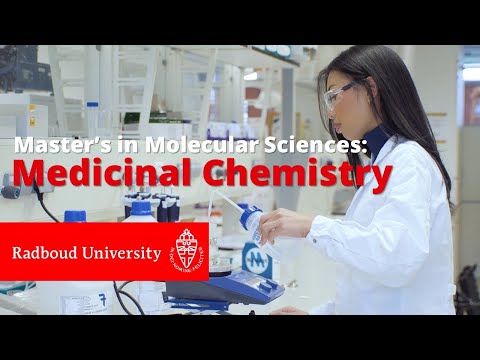
You know that feeling when you take a sip of your favorite drink and it just hits the spot? Imagine if that drink was actually a breakthrough medication. Wild, right?
Well, that’s kind of what medicinal chemistry is all about. It’s this rad blend of science and creativity. You’re basically playing superhero, figuring out how to whip up new drugs to save lives.
So, if you’ve ever been fascinated by how medicines work or how they’re made, diving into a degree in medicinal chemistry could be your jam. It’s an adventure filled with discovery and innovation.
What could be cooler than being part of the team that invents the next “miracle” cure? Sounds pretty awesome to me!
Exploring Career Paths: Opportunities with a Degree in Medicinal Chemistry in the Science Field
So, you’re thinking about diving into the world of medicinal chemistry, huh? That’s awesome! This field is like that secret ingredient in a recipe for innovation. It’s all about using chemistry to create new medicines and improve health outcomes. Seriously cool stuff!
First off, let’s break down what you can do with a degree in medicinal chemistry. You might be surprised at the variety of paths available to you.
1. Drug Discovery and Development
This is where all the magic happens! You could work in labs, helping turn new chemical compounds into actual medicines that can hit the market. Imagine being part of a team that develops a drug to treat something serious like cancer or Alzheimer’s. It feels pretty good knowing you’re contributing to something so meaningful.
2. Pharmaceutical Industry
Big pharma isn’t just about marketing; it needs smart folks who understand chemistry! With this degree, you could find yourself working on formulating drugs or conducting quality control tests. Every pill has a journey, and you could be there ensuring it’s safe for patients.
3. Academia and Research
If teaching and research sound appealing, this might be your jam! Universities often look for experts in medicinal chemistry to train the next generation of scientists while also pushing forward groundbreaking research. It’s like being at the forefront of what’s next in science!
4. Regulatory Affairs
You know how there are rules for everything? Well, medicine has some serious regulations too. Professionals in regulatory affairs ensure that new drugs comply with laws before they can reach patients. You’d need to keep up with guidelines and probably deal with quite a bit of documentation—but hey, someone has to do it!
5. Drug Safety and Pharmacovigilance
After a drug hits the shelves, it’s not done yet! People need to monitor how it works on real patients over time. In this role, you’d analyze data from users to make sure drugs are safe long-term, which is super important for public health.
Now here comes something personal: I remember my friend Sam who pursued medicinal chemistry because he loved science—but he also wanted to make people’s lives better after his grandmother struggled with medication side effects. That personal touch really drives the passion in this field.
So yeah, if you decide on this path you’re not just studying atoms and molecules; you’re playing your part in improving lives every day! Whether you’re working behind the scenes or doing hands-on jobs fixing lives through medicine—the opportunities are vast and impactful!
Getting into any of these careers often requires further studies or specific training post-graduation but don’t let that intimidate you! Each step brings its own rewards—kind of like leveling up in a video game but way cooler since it helps real-life people.
To sum it all up: if curing diseases sounds like your idea of an adventure—medicinal chemistry offers paths worth exploring, each contributing uniquely to science and society as a whole! So think about where your passion lies within these options; there’s definitely room for you here!
Evaluating the Value of a Medicinal Chemistry Degree: Career Prospects and Industry Impact
So, you’re thinking about diving into a medicinal chemistry degree? That’s seriously exciting! This field is all about designing, developing, and testing new drugs. It’s like being a wizard but instead of magic spells, you’re using molecules!
Now, let’s get to the good stuff – what can you actually do with this degree? First off, the career prospects are pretty bright. Here are some paths you might consider:
- Pharmaceutical Industry: A lot of graduates land jobs here. You could work on discovering new medications or improving existing ones. Think about it: every time someone takes a medicine that works, it’s probably because of someone like you!
- Research Positions: Universities and research institutes are always looking for talented folks to help with innovative projects. You could be part of groundbreaking studies that lead to life-saving treatments.
- Regulatory Affairs: This is all about making sure drugs meet safety standards. You’d be the one ensuring that all those cool discoveries get to patients without causing harm.
- Quality Control: Here, your role would be to test drugs and ensure they meet quality standards before reaching the market. It’s super important because nobody wants faulty meds!
The thing is, it’s not just about job titles; it’s also about impact. For example, remember when COVID-19 hit? Scientists raced against time to develop vaccines and treatments. Those behind these breakthroughs often had backgrounds in medicinal chemistry or related fields. Their work literally changed the world! How cool is that?
If you’re wondering what kind of skills you’ll pick up along the way, well, you’ll learn a ton about organic chemistry, biology, and pharmacology. And let me tell you—these subjects can get tricky but stick with it!
You also gain valuable skills like problem-solving and critical thinking—stuff that’s useful no matter where your career takes you.
The industry impact can’t be overstated either. New drugs can transform lives—consider how insulin changed diabetes management or how antiretrovirals have helped countless people with HIV live longer and healthier lives.
You might even run into ethical questions down the line—like how should we prioritize drug development? Or how do we make treatments accessible to everyone? These discussions can shape policies and practices in healthcare.
If you’re feeling daunted by all this info—or if it’s making your head spin—don’t stress! Most people in this field started right where you are now: curious but maybe a bit unsure. So if you’ve got a passion for science and helping others, pursuing this degree might just be a fantastic fit for you.
Exploring the Growing Demand for Medicinal Chemists in the Scientific Field
The demand for medicinal chemists is really on the rise these days. And it’s no surprise, since they play a crucial role in designing new drugs and improving existing ones. So, what’s the deal with this growing field? Let’s explore it!
Medicinal chemistry combines chemistry, biology, and pharmacology. It’s all about understanding how different molecules can interact with biological targets in our bodies. Think of it like playing matchmaker for tiny compounds and their potential disease-fighting roles.
Now, let’s talk about some reasons why this field is booming:
- Innovation in drug discovery: With ongoing advancements in technology and methods, medicinal chemists are at the forefront of creating new treatments for diseases. This is especially vital as we face challenges like antibiotic resistance.
- Aging population: As people live longer, the need for medications to manage chronic conditions increases. More older folks mean more innovative solutions are needed!
- Global health challenges: Issues like pandemics or emerging diseases drive demand for effective drugs quickly. Just think about how quickly vaccines were developed during COVID-19! Just wow!
So, if you’re considering a degree in medicinal chemistry, you’re stepping into an exciting and impactful career path. But it’s not just about studying hard; it involves getting your hands dirty in research labs too!
I remember my friend Sam who pursued this degree a few years back. He was super passionate about finding cures for diseases that affected his family members. After loads of late-night studying and group projects—which can get intense—he landed an internship at a major pharmaceutical company! He got to work on real drug development projects that could potentially change lives.
Also worth mentioning is that a solid background in science and math is crucial if you want to dive into this field. You’ll need to grasp organic chemistry concepts as well as molecular biology techniques.
But you know what? It’s not only about textbook knowledge; problem-solving skills are equally important! Medicinal chemists often face unexpected challenges during research—like running into issues with compound stability or effectiveness.
This career pathway also offers various opportunities beyond just working in pharmaceutical companies—there are jobs out there in academia, government agencies, or even biotech startups seeking fresh ideas.
So yeah, pursuing a degree in medicinal chemistry could be your gateway to making real scientific innovations! The world definitely needs more passionate minds ready to tackle today’s health issues creatively.
So, let’s chat about pursuing a degree in medicinal chemistry. It’s one of those fields that might not get as much spotlight as engineering or computer science, but man, it has this crazy potential to change lives. If you think about it, every time you pop a painkiller or take some allergy meds, someone, somewhere was knee-deep in research, working their magic on molecules to help make that happen.
I remember the first time I realized the impact of this field. I was visiting a friend in the hospital who just had surgery. The nurse came in with meds to help manage his pain and I couldn’t help but wonder about the people who designed those drugs. It’s like they’re real-life superheroes, crafting solutions from tiny particles you can barely see! That made me think… what if I could be part of that?
Studying medicinal chemistry isn’t just about memorizing chemical equations or balancing reactions—though yeah, that’s part of it too. It’s also an adventure into understanding how our bodies react to different substances and how we can innovate new treatments for diseases that still have us scratching our heads today. You’d be at the forefront of scientific innovation! Seriously cool stuff.
There’s something really rewarding about knowing you could contribute to finding cures for chronic illnesses or even just improving everyday well-being. You learn how to think critically and creatively: How do you modify a structure here? What happens if we tweak this compound? Those “what ifs” lead to breakthroughs that could save lives.
But hey, it’s not all rainbows and butterflies. The journey can be tough—long hours in labs filled with chemicals and lots of study time. Honestly, some days are gonna feel like climbing a mountain with no peak in sight. But then there’s also teamwork; collaborating with others who share your passion adds some magic back into those late-night study sessions and lab experiments.
Ultimately, choosing this path means diving headfirst into challenges while holding onto the hope of making a difference. And who knows? Maybe one day you’ll be part of creating something revolutionary—a new drug that could change everything for someone dealing with a rare condition.
So yeah, pursuing a degree in medicinal chemistry might sound niche or even daunting at times, but really it’s an open door to making real changes in healthcare and scientific progress! If you’re up for it—like really up for it—you might just find your place among those unsung heroes working behind the scenes in our health systems.