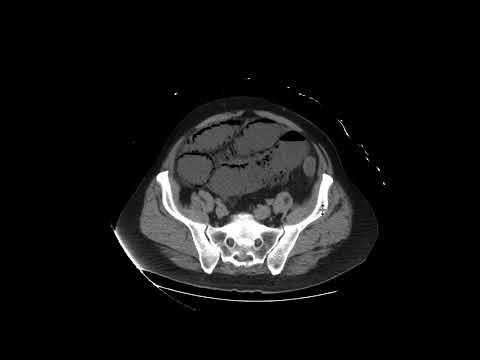
You ever heard someone say they just can’t get a break? Well, that’s kind of like what happens with mesenteric ischemia. Imagine your intestines sending out a frantic SOS, and no one seems to pick up. It’s tough out there!
So, let’s chat about radiology. Yeah, the fancy imaging stuff that looks like something outta a sci-fi movie. But hold on—this isn’t just about snapping pretty pictures. It’s about saving lives and catching problems before they mess things up big time.
These days, innovations are popping up left and right in this field. Seriously, we’re talking new tools and techniques that make diagnosing conditions like mesenteric ischemia quicker and way more accurate. It’s like giving doctors superpowers!
Stick around as we unpack how these cool advancements are changing the game for all of us. You might just find yourself fascinated by what goes on behind the scenes in those imaging rooms!
Best Imaging Techniques for Diagnosing Mesenteric Ischemia: A Comprehensive Review
Mesenteric ischemia is a condition that happens when there’s not enough blood flow to your intestines. It can be serious, causing abdominal pain and even leading to tissue death if not treated. Diagnosing it can be tricky, but modern imaging techniques are making it easier to spot.
First up, let’s talk about CT angiography. This technique uses X-rays and computer technology to create detailed images of blood vessels. Basically, you get injected with a special dye, and then they take snapshots of your abdomen. It’s super helpful because it shows the blood flow in real-time. You might say it’s like taking a video of highways during rush hour but for your blood vessels!
Then there’s MRI, which stands for magnetic resonance imaging. Now, this one’s a bit like magic! It uses strong magnets and radio waves instead of X-rays. The cool thing about MRI is that it doesn’t expose you to radiation, which is a big plus. Plus, it produces really high-quality images of soft tissues in the body.
Next up is ultrasound. This method uses sound waves to create images—kind of like how bats use echolocation! It’s non-invasive and can show us real-time movement in the intestines. Ultrasound can help identify blockages or assess blood flow in major vessels.
Another interesting technique is the use of X-rays with contrast dye, specifically the mesenteric angiogram. This one focuses on examining the arteries that supply blood to your gut directly by injecting dye into them through a catheter. It gives doctors a clear view of how well these arteries are working.
And let’s not forget about endoscopy. While it’s mainly used for looking inside the digestive tract, some advanced endoscopic techniques can actually assess blood flow as well! They may not be as common for diagnosing mesenteric ischemia directly but are great for spotting related issues like ulcers or tumors.
In summary, diagnosing mesenteric ischemia involves several innovative imaging techniques:
- CT angiography: Quick snapshots with X-rays.
- MRI: No radiation; high-quality soft tissue images.
- Ultrasound: Sound waves that show real-time movement.
- Mesenteric angiogram with X-ray contrast: Focused view on arteries supplying the gut.
- Endoscopy: Useful for related digestive issues.
All these tools play an essential role in helping doctors diagnose mesenteric ischemia effectively. Each has its strengths and weaknesses depending on what exactly needs looking at—so it’s all about finding the best fit for each situation!
Defining the Gold Standard for Diagnosing Mesenteric Ischemia: Key Insights in Medical Science
So, let’s talk about mesenteric ischemia—sounds kinda heavy, huh? Well, it’s a pretty serious condition where there’s not enough blood flow to the intestines. This can lead to some major complications. You might be wondering how doctors figure this out and what the “gold standard” is in diagnosing it. So, here we go!
Understanding Mesenteric Ischemia
First off, mesenteric ischemia can happen due to various reasons. Maybe there’s a blockage in one of the major arteries that supply blood to your intestines, or sometimes it’s related to low blood pressure or other vascular issues. It’s pretty important to catch it early because if you don’t, parts of the intestine can die from lack of oxygen.
Gold Standard Diagnosis
Now, when we talk about the “gold standard” for diagnosing mesenteric ischemia, we’re usually referring to angiography. This is a special kind of imaging test that lets doctors see your blood vessels in detail using contrast dye and X-rays. It sounds like just another medical procedure, but it’s one of the best ways to visualize blockages.
But—and this is key—there are other methods too! Here are some insights:
- CT Angiography: This has gained a lot of traction recently. It combines CT imaging with contrast material and gives a great view of blood vessels without needing a more invasive method.
- MRI: Although not as common for this specific condition, MRI can help visualize soft tissues and confirm or rule out other issues.
- Doppler Ultrasound: This is like using sound waves to see how blood flows through your arteries. It’s non-invasive and can provide real-time information about blood flow.
Why Innovation Matters
So you might be thinking: why all this fuss about different diagnostic methods? Well, accuracy and speed are everything when it comes to treating mesenteric ischemia! Innovations in radiology have made it so much easier for doctors to identify problems quickly and accurately. Think about this: if someone comes into the ER with abdominal pain that could be mesenteric ischemia, time is really of the essence!
Let me share a little story here. A friend once told me about her uncle who had terrible stomach cramps but thought they were just gas pains at first. When he finally went to the hospital days later, they did an angiography and found significant blockage in his arteries! Luckily he got treatment in time—but if they’d had fancy imaging tools back then? Who knows how much sooner he could have gotten help!
Synthesis of Approaches
Today’s healthcare landscape is all about blending these diagnostic tools together for maximum effectiveness. That means combining information from CT scans with Doppler results could lead to quicker diagnoses. It’s like putting together pieces of a puzzle; each piece reveals more until you get the full picture.
In the end, defining that gold standard isn’t just a matter of choosing one method over another—it’s about finding what works best for each patient depending on their specific circumstances.
So there you have it—a little peek into diagnosing mesenteric ischemia. It combines traditional techniques with new technology for better outcomes!
Understanding the Diagnosis of Mesenteric Ischemia: Key Techniques and Approaches in Clinical Science
Mesenteric ischemia, you know, is when blood flow to the intestines gets blocked or reduced. It’s like your body’s GPS went haywire and suddenly decided to take a back road instead of the highway. This situation can lead to some serious problems, mainly because your intestines need a steady supply of oxygen and nutrients to function properly. If they don’t get enough, well, let’s just say things could get messy.
Diagnosing mesenteric ischemia isn’t as straightforward as a quick blood test. It often requires several key techniques that help doctors figure out what’s going on inside your body. Here are some of the main approaches:
- Clinical Evaluation: This is basically the doctor talking to you and asking questions about your symptoms—like abdominal pain after eating or weight loss. They also want to know if you have any history of vascular diseases.
- Imaging Techniques: Now we’re diving into the cool tech stuff! Radiologists use several methods here:
- X-rays: Not super helpful on their own but can show signs of bowel obstruction.
- CT Scans: These provide clear images of your blood vessels and can identify blockages. They might even use contrast dye to make things pop out more!
- MRI: Another imaging tool that offers great detail without radiation, though it’s not usually first on the list for this issue.
- Angiography: This is where it gets really specific. Doctors insert a thin tube into your blood vessels and use dye for imaging. It helps them see how blood flows in real-time and pinpoint any areas that are blocking oxygen from getting through.
- Echocardiography: Although primarily used for heart issues, sometimes it can help evaluate conditions affecting blood supply in general.
Anecdote time! A friend of mine once had severe stomach pains after dinner—like he couldn’t find a comfortable position no matter what he tried. Turns out he was dealing with mesenteric ischemia caused by a clot in his artery! He underwent a CT scan that helped doctors see what was wrong right away, paving the way for treatment before things got worse.
You might be wondering about innovations in radiology specifically aimed at mesenteric ischemia diagnosis. Well, there are always new techniques! Some examples include using advanced imaging software that highlights ischemic areas or dynamic perfusion imaging techniques that assess how well blood flows over time.
The big takeaway? Getting diagnosed early is super important because if doctors catch mesenteric ischemia in its initial stages, they can take action before permanent damage occurs. So it’s crucial to pay attention to any symptoms you notice and speak up when something doesn’t feel right!
You follow me? The world of diagnosing mesenteric ischemia blends classic medical examination with cutting-edge technology—and while it sounds complicated, it’s all focused on ensuring our guts stay happy and healthy!
So, let’s chat about this pretty serious topic: mesenteric ischemia. It can sound super intense, but bear with me! It happens when there’s not enough blood flow to your intestines. This can be a real game-changer, you know? When it comes to diagnosis, radiology has been stepping up its game big time.
Now, I remember when my friend’s dad fell really sick out of the blue. He had severe stomach pain and was rushed to the hospital. Turns out, they diagnosed him with mesenteric ischemia after some imaging tests. The experience was terrifying for all of us, but it also opened my eyes to how important innovation in radiology is.
In recent years, there’ve been some incredible advancements that help docs pinpoint this condition faster and more accurately. Traditional imaging like CT scans used to be the go-to, but now they’re combining different technologies—like using advanced MRI techniques or even 3D imaging. Just imagine how much easier that makes it for doctors! They can see the blood vessels and blood flow better than ever before.
So these innovations aren’t just cool techy stuff; they’re literally saving lives by making diagnosis quicker and more precise. For instance, something called contrast-enhanced ultrasound is also gaining traction. It’s like adding a turbo boost to the regular ultrasound! Docs can see how well blood is flowing in real-time without invasive procedures.
And here’s another thing: timing is everything with mesenteric ischemia. If it’s caught early enough, treatment can be much more effective. All this tech helps reduce that waiting period before treatment starts—now that feels pretty crucial.
But you know what? It’s not just about the machines—it’s about people too. Those medical professionals are constantly learning new ways to interpret these images and make sense of all this data pouring in from scans. That mix of human expertise with cutting-edge technology makes a real difference in patient care.
At the end of the day, even though mesenteric ischemia sounds very serious (and it absolutely is!), innovations in radiology are turning into a beacon of hope for patients facing this scary situation. Seeing how far we’ve come in medical imaging gives me a little bit of comfort amidst all the chaos life throws at us sometimes!