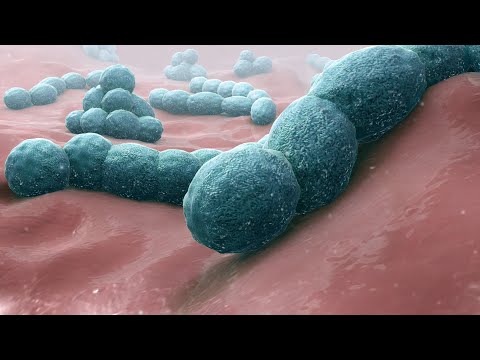
You know what’s kinda wild? There are more microorganisms living in a teaspoon of soil than there are people on Earth. Seriously, think about that for a moment! Tiny life forms you can’t even see, playing huge roles in our ecosystem.
Microorganisms are like the unsung heroes of nature. They’re everywhere! From the yogurt in your fridge to the dirt in your backyard, those little guys are busy doing their thing. But here’s the kicker: we still don’t know a ton about them.
Now, when it comes to studying these minuscule beings, taxonomy steps in. Taxonomy is just a fancy way of classifying and naming these organisms. And trust me, it’s pretty darn important! It helps scientists figure out how all these tiny creatures fit into the bigger picture.
So, grab a snack (maybe something with probiotics?), and let’s chat about why understanding microorganism taxonomy is not only cool but also super crucial for scientific research!
The Crucial Role of Taxonomy in Advancing Scientific Research and Discovery
So, let’s talk about taxonomy and why it’s super important for science. Taxonomy is like the ultimate organizing system for living things. It helps scientists classify all sorts of organisms, including those teeny-tiny microorganisms that you usually can’t see without a microscope. You know how your closet gets messy if you don’t organize it? Well, the same goes for biology! Without taxonomy, things would be a chaotic mess.
Microorganism taxonomy specifically deals with classifying bacteria, viruses, fungi, and other microscopic life forms. These little guys are everywhere – in the soil, on our skin, and even inside us! Understanding who’s who in the microbial world is crucial for research in medicine, ecology, and more.
First off, when you correctly identify an organism, it lays the groundwork for your research. For example:
- Identifying pathogens: When doctors need to find out what sickens a patient, they rely on knowing what specific microorganism they’re dealing with. This identification can guide effective treatments.
- Studying ecosystems: Scientists studying environmental health need to understand which microorganisms live where to grasp how ecosystems function and how they might be impacted by things like pollution.
- Biotechnology applications: Taxonomy helps researchers find microorganisms that produce useful substances like antibiotics or enzymes used in various industries.
You might be asking yourself why all this classification matters. Well, think about something like biodiversity. If we don’t know what species exist in an environment, we can’t protect them! For instance, rainforest biodiversity often includes countless microbial species that play roles in nutrient cycling; losing those could have ripple effects across entire ecosystems!
The emotional weight of this issue hit me when I learned about how certain microbes are becoming extinct due to climate change and habitat destruction. It’s not just numbers; it means losing potential cures or innovations forever!
An interesting twist is that taxonomy isn’t static – it evolves as new technologies develop. With tools like DNA sequencing becoming more accessible and affordable (thanks to tech advances), scientists can now determine relationships between organisms much more accurately than before. This kind of scientific discovery is a game-changer; it sometimes leads to entirely new classifications!
This field also encourages collaboration among scientists worldwide. Imagine researchers from different countries sharing data about their findings with each other! That way they can paint a bigger picture of how different microorganisms interact with their environments globally.
In short, taxonomy is way more than just naming organisms—it’s essential for much broader scientific pursuits! Without well-defined categories and relationships between them, we’d stumble around darkness trying to tackle complex issues like health crises or environmental challenges.
So the next time someone mentions taxonomy—or even better—an unseen microorganism remember: every tiny organism has its place and playing its part in our world. And who knows? Maybe understanding these connections will unlock answers to questions we haven’t even thought to ask yet!
Understanding the Taxonomy of Microorganisms: A Comprehensive Guide to Microbial Classification in Science
Understanding the taxonomy of microorganisms is like getting to know a whole new world. Seriously, it can be super cool once you break it down. So, what’s the deal with microbial classification? Basically, it’s all about organizing these tiny life forms into groups based on their similarities and differences. It helps scientists communicate effectively about them and, let’s face it, figure out how they interact with everything around us.
Microorganisms are grouped into several major categories. Here’s the rundown:
- Bacteria: These single-celled organisms are everywhere! Think of them as the original life form on Earth. They can be helpful like the ones in your gut or harmful like those that make you sick.
- Archaea: Similar to bacteria but often found in extreme environments—like hot springs or salty lakes. They’re kind of like nature’s little survivors!
- Fungi: This group includes yeasts and molds. Ever seen fuzzy bread? Yep, that’s fungal action right there! They play a huge role in decomposition.
- Protists: A mixed bag of organisms, mostly single-celled. Some are plant-like (algae), while others resemble animals (protozoa). They’re all about diversity.
- Viruses: Not exactly living organisms since they need a host to replicate. Still, they’re crucial players in ecosystems and medicine.
So, how do scientists decide where each microorganism fits? That’s where taxonomy comes into play. It uses a hierarchy system which goes from broad to specific categories: Domain > Kingdom > Phylum > Class > Order > Family > Genus > Species.
Let me break that down for ya! Imagine you have a pet dog:
– At the domain level, it’s in Eukarya (organisms with complex cells).
– Then at kingdom, it’s under Animalia because dogs are animals.
– Move down to phylum, and you find it under Chordata since dogs have a backbone.
– Keep going: Class is Mammalia (mammals), Order is Carnivora (meat-eaters), Family is Canidae (dog family), Genus is Canis (the genus for dogs), and finally species is Canis lupus familiaris for domestic dogs.
It might seem tedious, but this structure makes identifying and studying microorganisms way easier!
Let me share a quick story: When I first got into microbiology, my lab partner was really fascinated by a particular type of bacteria called *Lactobacillus*. It’s found in yogurt and does great things for your gut health! We spent hours discussing how this little guy fit into taxonomy—its genus name alone gave us some serious “aha” moments about its characteristics.
Now, classification isn’t just about naming stuff—it plays an important role in scientific research too. For instance:
- Disease outbreak tracking: Knowing which bacterial species caused an outbreak helps develop effective treatments.
- Ecosystem monitoring: Identifying microbial populations can reveal changes in environmental health.
- Biodiversity assessments: Recognizing different microorganisms ensures we understand ecosystem variety.
So there you have it—a simple yet fascinating journey through the world of microorganism taxonomy! It’s amazing how much organization matters when we’re dealing with such tiny creatures that have massive effects on our lives and the planet. Isn’t science just awesome?
The Critical Role of Taxonomy in Microbiology: Enhancing Understanding and Advancements in the Field
Let’s chat about taxonomy in microbiology. Yeah, I know, it sounds super formal and kind of boring, but stick with me. Taxonomy is basically how we classify living things. In microbiology, this means figuring out where all those teeny-tiny organisms fit in the grand scheme of life.
So why is this classification so critical? Well, for starters, it helps scientists communicate better. Imagine if you and your pal were trying to find a specific species of bacteria without knowing its correct name or group. It would be like searching for a needle in a haystack! Accurate taxonomy helps avoid that confusion.
Here are some key roles taxonomy plays in microbiology:
- Identification: Taxonomy lets researchers identify microorganisms accurately. Each organism has its own unique name (thanks to a system called binomial nomenclature), which makes it easier to study them and understand their roles.
- Classification: By classifying microbes into groups based on characteristics, scientists can predict what they might do or how they might behave in different environments.
- Disease Control: Knowing which pathogens belong to specific taxonomic groups can help in developing vaccines or treatments. For example, if you know that all *Escherichia coli* from a particular group cause food poisoning, you can focus on controlling those strains.
- Ecosystem Understanding: Taxonomy allows researchers to see how different microorganisms interact within ecosystems. This is crucial since many processes depend on these tiny players.
You know what’s interesting? The world of microbes is incredibly diverse! When I first learned about the vast array of *Archaea* and *Bacteria*, my mind was blown. There are organisms that thrive under extreme conditions—think boiling hot springs or even deep-sea vents where light doesn’t exist!
This diversity makes accurate taxonomy even more important. It helps scientists uncover relationships between organisms and their environments. Say you’re studying a new bacterium found in the ocean. With proper classification, you could discover it’s closely related to another bacterium known for breaking down oil spills. That connection could lead to innovative solutions for pollution!
Anecdotes like these remind us why taxonomy matters so much—it shapes our understanding not just of microbial life but also of broader environmental issues and health concerns.
The continual developments in genetic sequencing have revolutionized our approach to taxonomy too! Now we can analyze DNA sequences rather than just relying on physical characteristics alone. This means we’re constantly redefining microbial classifications as we discover new species or learn about existing ones in ways we never thought possible.
In summary, taxonomy isn’t just some fancy academic exercise; it’s at the core of advancing our knowledge and capabilities within microbiology. It influences everything from healthcare decisions to ecological conservation strategies—seriously important stuff!
If you’re ever sitting around feeling bored by biology classes, remember: there’s a whole universe inside every droplet of water or crumb of soil waiting to be explored through the lens of taxonomy!
You know, when you start diving into the world of microorganisms, it’s like opening a little door to an entire universe. I remember the first time I learned about them in school—these tiny creatures that are everywhere but too small to see with our naked eyes. It blew my mind! And then it hit me: these guys play a massive role in everything from our health to the environment.
So, let’s talk taxonomy for a second. It might sound like one of those fancy terms that only scientists use, but it’s pretty simple when you break it down. Taxonomy is basically how we classify living things. Like filing your favorite songs into playlists! Microorganisms get sorted into categories based on their characteristics, kinda like how we group friends by interests or hobbies.
There are bacteria, viruses, fungi, and protozoa—each with its own quirks and features. That classification helps scientists understand their relationships and roles in different ecosystems. For example, some bacteria are friendly and help us digest food or fix nitrogen in soil—it’s a win-win! Others can cause diseases, which is always scary.
Here’s where it gets real interesting though: understanding these tiny organisms isn’t just academic; it has tangible impacts on our lives. Think about vaccines or antibiotics—they rely heavily on knowledge drawn from microbial taxonomy. If scientists didn’t have a clear idea of who’s who in this microscopic realm, developing treatments would be way more challenging.
And let me tell you something—there’s something almost poetic about how interconnected all this is. When I think of microorganisms being essential for things like soil health or even the fermentation process in our favorite foods (hello yogurt!), it’s easy to feel a sense of awe about nature’s complexity.
But don’t you think it also raises questions? As we keep studying these microorganisms and discovering new ones (which happens all the time), how does that change our view on what life is? Every day holds new surprises!
So yeah, while taxonomy may seem dry at first glance, it’s really about piecing together this massive puzzle of life where every microbe has its role to play—whether we’re talking oceans teeming with unknown viruses or soil rich with helpful bacteria. And as research continues pushing boundaries in this field, who knows what other secrets these silent little helpers will reveal?