So, picture this: you’re standing in the middle of a busy street, cars honking, people rushing by, and your mind is like a blender on high speed. Sound familiar?
We’ve all been there, right? Life can get pretty chaotic. Now, what if I told you there’s a way to hit the pause button? Enter mindfulness – it’s not just for yoga enthusiasts or monks in meditation. There’s some solid science behind it that might just make you want to chill out more often.
You know that feeling when you’re so stressed that even your coffee tastes bitter? Mindfulness can actually help with that! It’s all about tuning into the moment and finding peace amidst the madness. Seriously!
Stick around as we unpack why mindfulness isn’t just a buzzword but a legit tool for mental well-being. You might even find yourself breathing easier by the end of it all!
Exploring the Science: 10 Proven Benefits of Mindfulness for Mental and Physical Well-Being
Sure, let’s get into this whole mindfulness thing, shall we? It’s a buzzword that floats around a lot these days. But there’s some serious science backing it up, and it comes with a bunch of cool benefits for both our mental and physical well-being.
1. Stress Reduction: First off, mindfulness is like hitting the brakes on your stress levels. Studies show that practicing mindfulness can lower cortisol—the stress hormone. Just taking a few minutes to focus on your breath can make you feel lighter and calmer.
2. Enhanced Focus: Ever find yourself scrolling endlessly on your phone or daydreaming during a meeting? Mindfulness helps with that! It sharpens your attention and keeps distractions at bay. You know when you zone out during conversations? Practicing mindfulness can improve your ability to stay present.
3. Better Emotional Regulation: Feeling all over the place emotionally? Mindfulness gives you tools to manage those wild feelings instead of letting them run the show. It helps you notice when you’re getting upset without reacting right away—kind of like pressing pause before hitting play again.
4. Improved Relationships: Remember that time you had a fight with a friend over something silly? Mindfulness can help with that too! When you’re more aware of your feelings and reactions, it makes for better communication and understanding in relationships. Less drama, more connection!
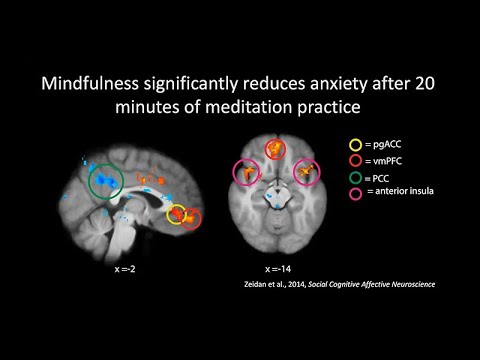
5. Decreased Anxiety: For many folks wrestling with anxiety, mindfulness is like finding an oasis in the desert of relentless thoughts. Research shows it can significantly reduce symptoms over time, giving people tools to navigate their anxious minds without feeling overwhelmed.
6. Better Sleep: If counting sheep isn’t working for you, maybe some mindfulness before bedtime will do the trick! Practicing mindful meditation has been linked to improved sleep quality because it calms your racing mind and sets up a better sleep routine.
7. Lower Blood Pressure: Here’s one for the health enthusiasts: regular mindfulness practice has been shown to lower blood pressure in some studies! This means being kinder to your heart—literally!
8. Pain Management: Ever stubbed your toe and thought you’d never walk again? Okay, maybe not that dramatic, but chronic pain can be exhausting. Mindfulness techniques have been often used in pain management programs because they help people shift their perspective on pain from something terrifying to something manageable.
9. Increased Self-Awareness: Have you ever caught yourself saying or doing things without even realizing it? Practicing mindfulness sharpens self-awareness so you can recognize those patterns in yourself better—the good and the bad!
10. Boosted Immune System: Who doesn’t want a stronger immune system? Believe it or not, there’s research indicating that consistent mindfulness practice may even give our immune system a little boost by reducing stress and inflammation.
So there you have it—a rundown of how embracing mindfulness could totally revamp both your mental state and physical health! It’s not just about sitting cross-legged and chanting; it’s about living in this moment more fully—and who wouldn’t want that?
Exploring the Scientific Benefits of Mindfulness: 5 Key Advantages for Mental and Physical Well-Being
Mindfulness, huh? It’s one of those buzzwords you hear a lot these days. But what’s really behind it? Let’s explore the scientific benefits of mindfulness and how it can seriously impact your mental and physical well-being. Ready?
1. Stress Reduction
First off, mindfulness is all about being present in the moment. When you practice it, your body learns to chill out a bit. Studies show that regular mindfulness practice can lower levels of cortisol, that pesky stress hormone. Imagine being stuck in traffic—if you’re mindful, you might take a deep breath instead of letting frustration boil over. Pretty cool, right?
2. Enhanced Focus
Another biggie is focus. Think of your brain like a browser with ten tabs open at once—totally overwhelming! Mindfulness helps clear the clutter. Research suggests that people who practice mindfulness can concentrate better on tasks because they’ve trained their brains to ignore distractions. Like putting on blinders during a race—you see what matters!
3. Emotional Regulation
You know those moments when anger or sadness just hits you outta nowhere? Mindfulness can help here too! By tuning into your feelings as they happen, rather than reacting impulsively, you’re more likely to respond in a calm way. This isn’t just fluff; studies have shown that mindfulness leads to better emotional responses and overall well-being.
4. Improved Physical Health
It might sound surprising, but there’s evidence linking mindfulness to better physical health too! Regular practice can help lower blood pressure and improve heart health. A calm mind often leads to a healthier body—so when you’re feeling zen mentally, your body thanks you for it.
5. Better Sleep Quality
Finally, did you know mindfulness can actually help with sleep issues? People who keep up with mindfulness practices tend to have more restful nights because they learn how to quiet their minds before bed. And let’s face it: who doesn’t love waking up refreshed after a good night’s sleep?
So there you go; five solid ways that practicing mindfulness could totally change your life for the better! It’s scientific proof that slowing down—even just for a few minutes—can have some serious perks for your mental and physical health. Pretty neat stuff when you think about it!
Exploring the Scientific Benefits of Mindfulness: A Comprehensive PDF Guide
Mindfulness is like that friend who always reminds you to breathe, chill out, and live in the moment. Seriously, it’s a practice rooted in ancient traditions, but now it’s totally backed by science. Let’s get into what makes mindfulness so special and how it can actually change your brain—and life!
What is Mindfulness?
At its core, mindfulness means paying attention to the present moment without judgment. It’s about noticing what’s going on around you and inside you—thoughts, feelings, sensations—without getting swept away by them. Think of it as being the observer of your own life instead of just a participant.
The Science Behind It
Research shows that practicing mindfulness can physically alter your brain! You know how lifting weights makes your muscles stronger? Well, practicing mindfulness builds up areas of your brain associated with emotional regulation, attention, and even self-awareness. Studies using neuroimaging have found changes in brain structures after consistent mindfulness practice.
- Stress Reduction: Mindfulness can lower levels of cortisol—the stress hormone—helping you feel more relaxed. Just a few moments spent focusing on your breath can make a huge difference.
- Anxiety Alleviation: Regular mindfulness practice reduces symptoms of anxiety disorders. It’s like giving your mind a little vacation from worrying!
- Improved Focus: Believe it or not, spending time being mindful can help sharpen your focus and attention span. You might find it easier to concentrate on tasks.
- Bigger Emotional Resilience: When you’re mindful, you’re better equipped to handle life’s ups and downs. It helps develop a more balanced emotional response.
Anecdote Time!
I remember chatting with my friend Sarah one afternoon over coffee. She was always stressed about work and family responsibilities. After she started incorporating mindfulness into her daily routine—like taking five minutes every morning just to breathe—she told me she felt lighter. One simple change transformed her stress levels! Pretty cool, right?
The Benefits in Everyday Life
Mindfulness isn’t just for yogis sitting cross-legged on a mountain; it fits into everyday life! You can practice while walking down the street, eating lunch, or even washing dishes. Next time you wash your hands, really focus on how the water feels and smells instead of letting your mind wander.
Mental Health Boost
There’s also solid evidence showing that mindfulness practices can help with depression recovery and prevention. If you’ve ever struggled with negative thought patterns (who hasn’t?), being aware of those thoughts without judging them allows for healthier coping mechanisms.
Addiction Recovery Support
Mindfulness can play a role in recovering from addictions too! By helping people understand their cravings without acting upon them right away, they learn to respond rather than react impulsively.
In summary: mindfulness is more than just trendy meditation apps or relaxation techniques; it’s grounded in science. With benefits for mental clarity and emotional well-being, practicing mindfulness offers tools for navigating life’s challenges more gracefully.
So next time you’re feeling overwhelmed or lost in the chaos of daily life, maybe take a moment to simply breathe and be present? You never know what kind of magic that little shift could bring into your world!
So, let’s chat about mindfulness and how it’s stuck its head into the world of psychology. You know, mindfulness is that thing where you try to stay present and not get swept away in all your thoughts. It’s like being in the moment instead of worrying about tomorrow or regretting yesterday. The cool part? There’s some science backing it up.
I remember sitting in a coffee shop once, just sipping my latte, when I noticed this guy at the next table. He was just staring at his coffee, seemingly lost in thought. But what hit me was how peaceful he looked—no phone, no distractions, just him and his cup. It made me realize how rare those moments are these days. We’re always rushing or multitasking.
Studies have shown that practicing mindfulness can seriously help with stress, anxiety, and even depression. Like, researchers found out that when people focus on their breath or just pay attention to their surroundings, they actually change how their brains work! Isn’t that mind-blowing? It’s like exercising for your brain but without the sweaty gym socks.
And here’s another thing: mindfulness can improve focus too! Imagine being able to concentrate better while studying or working on something you really care about. It’s like flipping a switch from chaos to calm. With regular practice—just a few minutes daily—you can train your mind to be more resilient against whatever life throws at you.
But it’s not all about the personal benefits; there’s this whole communal vibe too! When you practice mindfulness with friends or family, it creates this bond that’s hard to describe. It’s like sharing an inside joke where everyone gets the punchline—you’re all just present together.
You know what I find most fascinating? Mindfulness isn’t tied down by age or background; anyone can give it a shot! Whether you’re a busy student cramming for exams or someone navigating life’s ups and downs, there’s something here for everyone.
So yeah, while we hustle through life with our heads buried in our phones and stress creeping up on us, taking time to be mindful could change things around pretty dramatically—just like my coffee shop buddy who found peace in a simple moment. Science is showing us that sometimes slowing down can actually speed us up towards living a fuller life!