You know, when I was a kid, my idea of chemistry was mixing baking soda and vinegar to make a volcano. Super fun, right? But it turns out that chemistry is way more than that!
Imagine if learning about atoms and molecules felt like an exciting adventure. Well, some educators are doing just that – shaking things up in the world of chemistry education.
They’re blending hands-on experiments with real-life applications. Seriously, how cool is it when you can explain why bread rises with yeast or how soap works on greasy dishes?
The thing is, innovative approaches in chemistry education can spark curiosity and connect concepts to our everyday lives. So, let’s chat about some of these fresh ideas!
Effective Strategies for Teaching Chemistry: Enhancing Student Engagement and Understanding in Science Education
When it comes to teaching chemistry, keeping students engaged can be a real challenge. But, you know, it doesn’t have to be boring! Making chemistry relatable is one of the best ways to get students interested and excited about the subject.
First off, think about the examples you use in class. Instead of diving straight into complex formulas, start with real-world applications. For instance, when discussing acids and bases, why not use common household items like lemon juice or baking soda? Students might be more curious if they realize they’re learning about things they encounter daily.
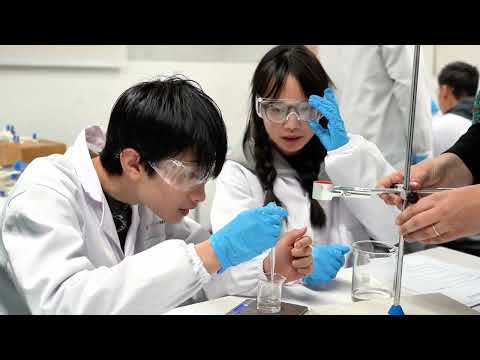
Another effective strategy is hands-on experiments. There’s something magical about mixing colorful substances or creating fizzy reactions that gets everyone’s attention. Even simple experiments can spark interest and help students understand concepts better. It’s like turning the classroom into a mini-laboratory!
And speaking of labs, consider incorporating technology and digital resources. Interactive simulations can bring chemistry to life in ways that traditional teaching sometimes can’t. Websites or apps that allow students to manipulate molecules or visualize chemical reactions can make learning so much more dynamic. Plus, who doesn’t love a bit of tech?
Group activities are also super effective for promoting collaboration among students. When they work together to solve problems or conduct experiments, they learn from each other and build critical thinking skills. You might notice them arguing over which method works best—that’s just their brains processing information! It’s pretty cool when you think about it.
Now, let’s not forget the importance of connecting lessons to student interests. If someone loves cooking, relate chemical reactions back to baking! Make those connections clear; it really helps them see how chemistry isn’t just some abstract concept but something that influences their lives constantly.
Finally, don’t underestimate the power of storytelling. Sharing anecdotes about famous chemists or dramatic scientific discoveries makes lessons more engaging. For example, you could talk about how Marie Curie’s work changed science forever—or even share a humorous personal mishap during an experiment (without revealing too many embarrassing details!). Those stories humanize the subject and make it memorable.
To sum up:
- Use relatable examples from everyday life.
- Incorporate hands-on experiments for engagement.
- Add technology resources
- Encourage group activities for collaborative learning.
- Connect lessons to student interests.
- Add storytelling for memorable experiences.
like simulations.
Teaching chemistry doesn’t have to be dull or difficult! With a little creativity and enthusiasm, you can create an environment where your students want to learn more and explore beyond what’s in their textbooks. So go ahead—bring some fun into your next lesson!
Exploring Innovative Teaching Methods in Science: A Case Study Approach
Sure! Let’s talk about some cool ways we can teach science, especially chemistry, using a case study approach. It’s like putting on your adventure hat and exploring the subject in real-world situations. You’ll see how this method creates a lively learning environment.
First off, what’s a case study? Imagine you’re diving into a real-life situation where chemistry plays a role. It could be anything from environmental issues to health crises. Think about how much more exciting it is to learn about the chemical reactions behind, say, climate change or cooking, rather than just memorizing equations from a textbook.
One of the innovative teaching methods is project-based learning. Here’s how it works: students tackle real-world problems and apply their knowledge to come up with solutions. This approach allows them to engage with the material on a deeper level, you know? For instance, if students work on reducing waste in their school cafeteria by looking at composting options, they can dive into organic chemistry and discover how materials break down.
Another fun technique is using simulations and modeling. Picture this: instead of just reading about molecular structures, students use software or apps that let them build molecules virtually. It’s like playing with digital LEGO! They can visualize how atoms bond and interact without needing expensive lab equipment all the time.
And don’t forget about collaborative learning. This means students work in groups rather than going solo. They discuss ideas and learn from each other’s perspectives. So if one person struggles with understanding acids and bases, another student might explain it in a simpler way—like comparing it to lemon juice vs baking soda reaction!
Another innovative method is field experiences. Taking students out of the classroom can be super effective! For example, visiting a local water treatment plant gives them hands-on learning about chemistry in action. They get to see the filtration processes and understand chemical reactions that happen there.
Lastly, inviting guest speakers or professionals working in science fields can really spice things up! Imagine an environmental scientist coming in to talk about air quality issues; they could share their experiences dealing with pollution and show real data that brings chemistry concepts alive.
So basically, using these dynamic teaching methods makes science education so much more engaging for students. Instead of being passive recipients of information sitting at desks all day long, they’re active participants in their own learning journey! And if they see chemistry as something relevant to their lives outside of school—like figuring out which products are environmentally safe—they’re probably gonna remember way more than if they just took notes during lectures.
Anyway, it’s all about sparking curiosity and showing kids that science isn’t just an academic subject but also super connected to everything around them! That’s what really counts at the end of the day—and isn’t it inspiring?
Exploring Advanced Chemistry Project Ideas: Ignite Innovation in Scientific Research
Exploring chemistry can be like opening a treasure chest of possibilities. If you’re thinking about advanced chemistry project ideas, you’re in for a ride! It’s all about igniting that curiosity and pushing the boundaries of what we know.
First off, one area you might want to consider is green chemistry. This focuses on reducing waste and preventing pollution. Imagine creating biodegradable plastics from corn starch instead of petroleum products! Projects could involve experimenting with different natural materials to see which ones break down more quickly.
Another exciting avenue is nanotechnology. This field looks at things on an atomic scale. You could design a project where you create nanoparticles for drug delivery systems. It’s like sending tiny mail trucks right to the cell that needs help!
And hey, how about chemical education outreach? Think about projects that engage younger students in fun experiments. Science fairs could incorporate hands-on activities demonstrating simple chemical reactions, like making slime or DIY volcanoes—easy to understand and super fun!
If you’re feeling adventurous, try exploring sustainable energy solutions. Projects could involve experimenting with solar cells made from different materials or even biofuels from algae. It’s not just fascinating; it also addresses real-world problems like energy shortages.
Then there’s food chemistry, where science meets your kitchen! You could delve into the science behind fermentation—like making yogurt or pickles—and investigate how these processes affect flavor and shelf life.
Also worth exploring is forensic chemistry. This offers a chance to dive into real-life crime scene investigations by analyzing substances found at hypothetical crime scenes. You’d get to play detective while learning about techniques like chromatography!
Last but not least, consider looking into atmospheric chemistry. With air pollution being a critical issue, projects might focus on analyzing air quality in different urban areas. You could develop simple methods for measuring pollutants using everyday materials.
So yeah, whether you choose green initiatives or dive deep into forensic applications, keep your projects innovative and relatable. The world of chemistry is vast and bursting with potential—just waiting for you to explore!
You know, chemistry can seem pretty intimidating at first glance. I mean, we all remember those high school classes where the teacher rattled off formulas and reactions that made our heads spin. But, if you think about it, chemistry is everywhere! It’s in the food we eat, the soap we use, and even the air we breathe. So why not make learning about it exciting and relevant? That’s what I find so cool about innovative approaches in chemistry education and outreach.
I once attended a local science fair with my younger cousin. She was only about ten years old but absolutely lit up when she saw a booth doing hands-on experiments with colorful chemical reactions. The scientist there had this infectious enthusiasm, explaining how they could create a rainbow of colors with just a couple of household ingredients. My cousin’s eyes widened as she mixed baking soda and vinegar; it was like magic! That connection—seeing how science relates to everyday life—was so powerful. It got her really thinking about how much fun chemistry could actually be.
So, some educators and organizations are shaking things up with creative teaching methods. Think about interactive demonstrations or even using technology like virtual reality to walk students through molecular structures. These methods make complex ideas more tangible and engaging for everyone! It’s not just about memorizing periodic tables but experiencing the ‘why’ and ‘how’ behind chemical processes.
And there’s also this amazing trend of collaboration between scientists and artists. Some programs have incorporated art into chemistry lessons—like creating visually stunning displays that demonstrate chemical reactions or using storytelling to explain concepts. This blend not only makes it memorable but also broadens the reach to people who might have never considered science before.
Moreover, outreach efforts are hitting communities where they’re at—like workshops in local community centers or even pop-up science labs at farmer’s markets! Who wouldn’t want to learn about pH levels while sipping on fresh lemonade? By connecting these educational experiences to everyday settings, there’s a greater chance of sparking interest among diverse groups.
But here’s where it gets even deeper: it’s essential for these approaches to be inclusive. Everyone should feel welcomed into the world of chemistry! Programs focusing on underrepresented groups can be game-changers by showing kids that they too can become scientists or innovators one day.
All this makes me think back to my cousin again; she was just sparked by that colorful volcano experiment! That moment really shows how innovative approaches can cultivate curiosity and foster lifelong interest in science—imagine if we do this on a larger scale! It’s incredibly exciting to see how education is evolving in this way, you know?