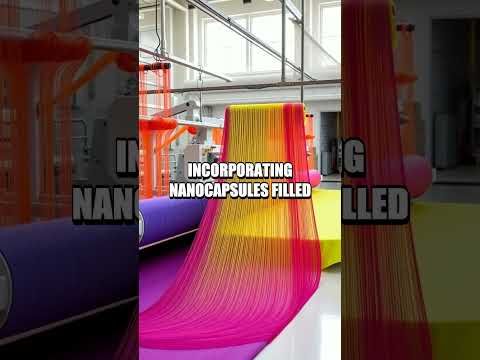
So, picture this: you’re in your favorite coffee shop, sipping on a latte, and you hear the barista chatting with a customer about this magical fabric that’s thinner than a human hair but can literally do wonders. Sounds like sci-fi, right? Well, welcome to the world of nano fabric!
Now, I know what you’re thinking. Nano what? But seriously, this stuff is not just some futuristic dream. It’s already making waves in science and tech. Imagine fabrics that can clean themselves or even regulate temperature. Cool, huh?
Let me tell you, it feels like we’re living in a science fiction movie sometimes! It’s pretty wild how this tiny innovation is changing everything from healthcare to sports gear. So hang on tight; we’re about to explore how nano fabric is shaking things up in ways you probably never imagined!
Exploring Nanoscience Applications in Fabric Technology: Innovations and Impacts
Nanoscience is super cool, right? It deals with things that are so tiny, you can’t even see them with the naked eye. We’re talking about materials that measure in nanometers, which is a billionth of a meter. That’s like taking a single sheet of paper and slicing it into 100,000 pieces. Now imagine using those ultra-small materials in fabric technology! This opens up a whole universe of innovative applications.
So what’s the deal with nanofabrics? Well, the big idea is to enhance the properties of fabrics by incorporating nanoparticles into the material. These nanoparticles can provide special functions that regular fabrics just can’t offer. For example:
- Water resistance: Nanoparticles can be used to make fabrics repel water. This means your jacket stays dry even when you’re caught in a downpour!
- Stain resistance: Fabrics treated with nanoscale coatings can resist stains better than traditional ones. Spill coffee on your shirt? No problem; just wipe it off!
- UV protection: Some nanofabric technologies include UV-blocking particles that protect your skin from harmful rays while you’re out enjoying a sunny day.
I remember this one time I was at an outdoor music festival and spilled some soda all over my favorite tee. I was bummed out until I realized it was made from a stain-resistant fabric! Like magic, it came clean without much effort at all! That was a game-changer for me.
Another fascinating aspect of nanoscience in fabrics is its applications in healthcare. Think about smart textiles—these are fabrics that can monitor health indicators like heart rate or body temperature simply by being worn. Tiny sensors woven into the material can gather data and send it to your smartphone. Imagine wearing a shirt that alerts you if your heart rate gets too high while jogging!
The beauty of nano-enabled fabrics also lies in their lightweight nature. Traditional protective clothing, like those used in hazardous environments or for military personnel, tends to be bulky and uncomfortable. Nanotechnology helps create lightweight yet strong fabrics that offer protection without weighing you down.
But wait! It’s not just about physical properties; there’s also an environmental angle here too—seriously! With the ability to reduce waste and increase durability, nano-treated textiles could help make our wardrobe choices more sustainable over time.
All in all, exploring nanoscience applications in fabric technology shows just how intertwined science is with our daily lives. From enhancing performance characteristics to pioneering health-monitoring capabilities or creating eco-friendly options, these innovations have significant impacts on how we wear and interact with textiles.
As we continue to push boundaries in science and technology, who knows what’s next on the horizon? Maybe clothes that change color based on your mood or adjustable insulation depending on temperature—sounds like something straight outta sci-fi, doesn’t it?
Exploring Nanotechnology Applications in Material Science: Innovations and Impacts
When you hear “nanotechnology,” you might picture tiny robots or something from a sci-fi movie. But in reality, it’s all about manipulating materials on a super-small scale—like, we’re talking about billionths of a meter! This tiny realm has some seriously big applications in material science.
Let’s break that down:
Nanotechnology helps create materials that are lighter, stronger, and more versatile than anything we’ve typically seen. **How is that possible?** Well, when materials are reduced to the nanoscale, their properties change. For example, gold at the nanolevel isn’t just shiny; it can appear red or purple! That’s because of something called quantum dots which affect how light interacts with particles.
Now, think about nano fabrics. These textiles use nanotechnology to enhance their performance. Imagine clothes that resist water and stains better than your average jacket. Nanofibers can trap air for insulation while still allowing moisture to escape. So, like when you’re climbing a mountain and suddenly hit a patch of rain? Your jacket won’t just soak up water; it’ll keep you dry and comfy inside.
But hold on; let’s not forget healthcare. It’s not just about fashion. Nanotech is being used to develop targeted drug delivery systems. Picture this: Instead of generic meds floating around in your body and potentially causing side effects elsewhere, nano-sized carriers can deliver drugs right where they’re needed. Like having a personalized delivery system for treatment!
Now what about energy? Yep! Nanotechnology is making waves here too! Solar panels made with nanomaterials are way more efficient than traditional ones. They can capture more sunlight and convert it into energy, which is pretty sweet considering our world’s need for greener solutions.
Oh! And wait until I mention construction materials! Think self-healing concrete made with nanomaterials. That means if there’s a crack or damage—bam—it’s like the concrete magically heals itself over time. You wouldn’t have to worry as much about repairs!
Of course, diving into such innovations isn’t without concerns. There are questions about safety and environmental impact since we’re dealing with these super small particles that behave differently than larger ones. It’s crucial for scientists to study how they interact with our bodies and ecosystems.
So yeah, while nanotechnology might seem futuristic or complicated at first glance, its applications in material science are all around us—from what we wear to how our cities function! The impacts? Well, they could definitely change the game in healthier living conditions and sustainable practices moving forward.
In summary:
- Nanoscale changes properties: Golden magic turns colors.
- Nano fabrics: Water-resistant jackets that breathe.
- Healthcare improvements: Targeted drug delivery gets personal.
- Energy efficiency: More powerful solar panels.
- Construction innovation: Concrete that heals itself.
- Sustainability needs caution: Safety first with tiny tech!
So keep your eyes peeled for this little revolution—it might be small in size but it packs a major punch!
Enhancing Fabric Properties with Nanotechnology: Solutions to Real-World Challenges in Textiles
So, let’s talk about how nanotechnology is shaking things up in the textile world. You might not think about it, but the clothes you wear could be a lot smarter thanks to these tiny particles. That’s right! We’re talking about materials that are so small you can’t even see them with your naked eye—they’re measured in nanometers, which is one billionth of a meter.
First off, one of the biggest issues with regular fabrics is their durability. If you’ve ever had a favorite shirt that ripped or faded after just a few washes, you’ll know what I mean. Well, nanotechnology helps create fabrics that are much stronger and more resistant to wear and tear. This means your clothes can last longer without losing their charm.
Another cool application is waterproofing. Imagine wearing a jacket in the rain and staying completely dry without feeling like you’re wrapped in plastic. Nanoparticles can create surfaces that repel water—like how a lotus leaf works! This makes fabrics not only water-resistant but also breathable, so you’re comfy even when it’s wet outside.
And let’s not forget about stain resistance! Ever spilled something on your shirt and thought it was ruined? With nano-coatings, fabrics can be designed to resist stains. The little particles form a barrier around the fibers and prevent liquids from soaking in right away. Pretty handy for maintaining those look-good clothes!
Now getting into something more high-tech: smart textiles. Some fabrics now incorporate nanosensors that can monitor your body temperature or even track your movements! Imagine wearing a shirt that helps keep tabs on your workout or alerts you if you’re overheating during that intense run. It’s like having built-in technology right on your body!
On top of all this innovation, there’s also an eco-friendly angle to consider. By making fabrics more durable and less prone to staining or damage, we can reduce waste. Less frequent washing means using less water and energy too—a win-win for our planet!
Of course, it’s not all sunshine and rainbows; there are challenges too. We need to ensure these nanomaterials are safe for both people and the environment because introducing new technologies always comes with questions about their long-term effects.
So, whether it’s making your clothes tougher, keeping them clean longer, or adding some high-tech features—nanotechnology might just be paving the way for some exciting new possibilities in textiles. Isn’t it wild to think how far we’ve come from just cotton and polyester? The future is looking pretty snazzy!
Okay, let’s chat about nano fabric. It’s this super cool stuff that’s been buzzing around in the science world lately, and honestly, it feels like something out of a sci-fi movie. You know when you hear “nano” and your mind starts racing with tiny robots or futuristic fabrics? Well, in a way, you’re not too far off!
So, what’s the deal with nano fabric anyway? Picture this: it’s a kind of textile that has been engineered at an incredibly small scale—like seriously tiny. We’re talking about materials that are manipulated at the nanoscale level to create something really unique. This means they can have all sorts of special properties that typical fabrics just don’t offer.
One amazing application is in healthcare. Imagine wearing a shirt that can monitor your heart rate or even detect illness through sweat! There was this one time I saw a presentation about smart bandages made from nano fabric. They can change color when an infection is present! I remember being blown away thinking how this could make life so much easier for patients and doctors alike—it merges fashion with function in such an awesome way.
Then there are environmental benefits; some of these fabrics can filter water or clean up pollutants! Can you believe it? Just think about being able to wear clothes that help keep our planet clean! It’s kind of inspiring to feel like we’re moving towards solutions for some pretty big problems.
But here’s the kicker: while all of this sounds incredible, there’s also a conversation happening about safety and sustainability. There are concerns over how these tiny particles affect our health and environment in the long run. Like, with great power comes great responsibility, right? We need to tread carefully as we explore these innovative frontiers.
In short, nano fabric is like having a little piece of magic in your wardrobe—blending fashion with groundbreaking science. It’s exciting but also makes you think about where we’re heading as scientists work on these advancements. And who knows what else could come out next? The future looks bright… and maybe a little more stylish too!