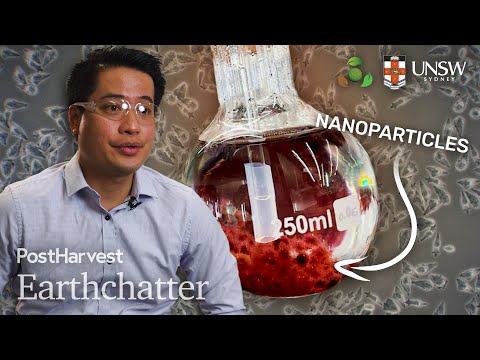
You know what’s wild? I once heard that a tiny speck of dust can hold the key to feeding the entire planet. Sounds like sci-fi, right? But seriously, that’s where nanotechnology comes in.
Imagine being able to grow crops in places we never thought possible. Or using microscopic tools to help plants soak up nutrients better. Pretty cool, huh?
So, what’s the deal with nanotechnology and agriculture? Well, it’s all about those super-small innovations that could revolutionize how we farm and eat. I mean, who wouldn’t want that?
Stick around as we dig into this fascinating blend of science and our everyday meals!
Revolutionizing Agriculture: The Impact of Nanotechnology on Crop Productivity and Sustainability
So, let’s chat about nanotechnology and what it can do for agriculture. It’s kind of a big deal! You might be thinking, “Wait, what’s nanotechnology?” Well, it’s all about super tiny stuff. Like, we’re talking at the scale of atoms and molecules here—way too small for us to see with just our eyes. When scientists mess around with materials at this level, they can create some pretty awesome things.
Now, when it comes to agriculture, the impact of nanotechnology on crop productivity and sustainability is exciting. Here are some ways it’s shaking things up:
- Precision Agriculture: Think of this as using tiny tools to give plants exactly what they need. With nanoparticles, farmers can deliver nutrients directly to plant roots or leaves more efficiently. This means less waste and healthier plants.
- Pesticide Reduction: Traditional pesticides can harm beneficial insects and pollute the soil and water. Nowadays, nanotech helps create targeted pest control that only affects harmful pests while leaving bees and other helpful critters alone. It’s like having a superhero for your crops!
- Soil Health: Nanomaterials can improve soil structure and fertility without harming the ecosystem. For example, certain nanoparticles help retain moisture in the soil or enhance nutrient uptake by plants.
When I was a kid, I remember my grandpa fussing over his garden every spring. He had all these techniques for keeping the soil rich without going overboard on chemicals—using compost here or a pinch of organic fertilizer there. Fast forward to today: imagine if he had access to precision tools that worked even better! It would’ve been like giving him superpowers.
Another cool thing happening is the use of sensors. Nanotechnology allows for developing ultra-small sensors that monitor plant health or detect diseases early on. Farmers can get real-time data about their crops! This tech gives them a fighting chance against diseases before they spread like wildfire.
But it’s not all sunshine and rainbows; there are challenges too! The long-term effects of using nanoparticles in agriculture still need more research. We have to be careful about how these tiny things interact with nature since we don’t want any unintended consequences.
In short, nanotechnology has tons of potential for revolutionizing agriculture by enhancing crop productivity while boosting sustainability practices. It’s pushing boundaries that could lead to healthier food systems down the line—just imagine all those gardens thriving thanks to a little bit of science magic! So next time you bite into a delicious apple or chomp down on fresh veggies, you might just be tasting tomorrow’s innovations today!
Exploring the Latest Innovations in Agricultural Science: Transforming Farming Practices for a Sustainable Future
Agriculture is changing, and it’s kind of exciting. Seriously! With technology buzzing all around us, farming practices are getting a serious makeover, especially with innovations in agricultural science. One of the coolest things happening right now is the use of **nanotechnology**. But what does that even mean for farmers and crops?
So, here’s the thing: nanotechnology involves manipulating materials at an incredibly tiny scale—like, we’re talking smaller than a human hair! This can lead to some pretty nifty advancements in how we grow food. Imagine being able to deliver nutrients directly to plants or having smarter pest control. Sounds like something out of a sci-fi movie, right? But it’s real!
One example could be **nano-fertilizers**. These are designed to release nutrients more efficiently than traditional fertilizers. Instead of just dumping a bunch of it on the soil and hoping for the best, nano-fertilizers can gradually release nutrients as plants need them. It’s like having a personal nutritionist for your crops!
But wait, there’s more! Let’s talk about pest control. Nano-pesticides can be formulated to target specific pests without harming beneficial insects or the environment much at all. That means you get healthier crops and a lot less chemical runoff into our water systems.
And there’s also **sensor technology** that uses nanomaterials. Farmers can track moisture levels or nutrient availability in real-time using sensors made with nanotechnology. So they know exactly when to water or fertilize their fields instead of guessing. Isn’t that smart? It’s like having a farming assistant in your pocket!
Of course, there are challenges too—like ensuring these technologies are safe for consumers and the environment overall. It definitely requires ongoing research and some careful consideration before widespread adoption.
Let’s not forget about sustainability! With climate change throwing curveballs at agriculture, these innovations could help farmers adapt more easily to new challenges—droughts, pests growing resistant to traditional methods, you name it.
So yeah, exploring these latest innovations in agricultural science isn’t just about cool gadgets; it’s really about transforming farming practices for a sustainable future. If we can harness this tech while being mindful of its impact, we might just see agriculture take huge strides toward feeding our growing population responsibly.
In short:
- Nano-fertilizers provide targeted nutrient delivery.
- Nano-pesticides minimize environmental harm.
- Sensor technology offers real-time tracking of resource needs.
- Sustainability is at the heart of these innovations.
Farming’s future is looking bright with science paving the way forward!
Revolutionizing Agriculture: The Impact of Key Technologies on Farming and Science
Revolutionizing agriculture is like giving it a turbo boost, you know? With key technologies stepping in, farming is changing rapidly. One buzzworthy field making waves is **nanotechnology**. So, what’s all the fuss about?
What is Nanotechnology?
Well, think about it this way: nanotechnology manipulates materials at a super tiny scale—like billionths of a meter small! This allows scientists to create new materials and enhance existing ones. In farming, this means we can improve fertilizers, pesticides, and even plant health.
Smart Fertilizers
Imagine fertilizers that know exactly when to release their nutrients. With nanotech, that’s possible! These smart fertilizers can release nutrients at precise moments based on environmental conditions. This means plants get what they need when they need it. And guess what? It reduces waste and environmental pollution too!
Nano-Pesticides
Then there are nano-pesticides. Traditional pesticides sometimes hit the target and sometimes not—leading to overuse and residue problems. Nano-pesticides can be engineered to be more effective and break down faster after use, which means less harm to beneficial insects and the soil. Who wouldn’t want healthier crops without harming nature?
Soil Health
Let’s not forget about soil! Nanomaterials can help improve soil health by enhancing its capacity to hold water or nutrients. Imagine your garden soaking up water instead of letting it run off. Plus, healthier soil leads to better crop yields in the long run!
Sensors for Precision Agriculture
And here’s something cool: nanotechnology allows for tiny sensors that monitor everything from humidity levels to nutrient content in real time. This info helps farmers make quick decisions on irrigation or fertilization—no guessing games involved!
Anecdote Time!
I once chatted with a farmer who tried some of these advancements during a tough season. He told me how using smart fertilizers made him feel like he’d finally cracked the code to growing crops sustainably while saving money. His excitement was contagious—like he’d found treasure hidden in his fields!
In summary, nanotechnology isn’t just another science buzzword; it’s reshaping agriculture as we know it. From smarter fertilizers and pesticides to enhancing soil health and providing real-time data through sensors, it’s making farming more efficient and eco-friendly.
The Future Looks Bright!
So when you think about agriculture’s future, remember these tiny innovations with big impacts—they’re like superheroes for our farms! And as this tech advances even further, who knows what else we’ll discover for feeding the world sustainably? It’s an exciting time for farming!
So, you know, when you think about agriculture, the first pictures that come to mind are probably fields of green, farmers working hard under the sun, and crops growing season after season. But here’s where it gets interesting—there’s this whole world of science creeping into farming that’s changing everything: nanotechnology.
Now, you might be like, “Wait a minute. What’s nanotechnology doing on my plate?” Well, let me break it down a bit. Basically, nanotechnology involves working with tiny particles—like super-duper tiny. We’re talking sizes on the order of nanometers! To put that in perspective, a human hair is about 80,000 to 100,000 nanometers wide. Crazy small!
I remember this one time I was visiting my uncle’s farm. He was struggling with pests eating away at his crops and was trying out these new methods to protect them without using harsh chemicals. That’s where innovations like nano-fertilizers come into play! Instead of dumping huge amounts of fertilizer on his fields and hoping for the best (and doing harm to the soil), he could use nanoparticles that deliver nutrients directly where they’re needed most—like sending a personalized care package right to each plant.
But it doesn’t stop there! Nanotech can also help reduce water usage by creating smart irrigation systems that determine exactly how much water each plant needs based on real-time data. Imagine every drop counting! It’s like having a personal hydration coach for plants.
And it isn’t just about improving yields or reducing waste; there are also these cool applications in food safety and quality. Nanomaterials can help detect pathogens or spoilage in food products more accurately than conventional methods. You know those little stickers they put on food? Soon enough, they might be able to tell you if your strawberries are still fresh or if they’re rocking some hidden germs!
But with all these advancements comes responsibility too. We need to ask important questions: Is it safe? How will these tiny particles interact with our ecosystems? You can’t just throw science out there without thinking through potential consequences.
Honestly, thinking back on my uncle’s farm visit really drove home how interconnected everything is nowadays—from high-tech solutions in agriculture to what ends up on our dinner tables. There’s something almost poetic about blending tradition with cutting-edge technology because at its heart, farming has always been about innovation—finding better ways to feed people.
So yeah, as we look toward the future of agriculture mixed with fascinating tech like nanotechnology, I find myself feeling hopeful but cautious too. Balancing progress while keeping our soil healthy and our food safe is kind of the tightrope we have to walk now more than ever!