So, let me tell you a little something. The other day, I heard this joke about aging: “You know you’re getting old when the candles cost more than the cake.” Classic, right? But age isn’t just about funny lines and gray hairs; it’s pretty much a massive mystery we’re all trying to solve.
You might think of aging as just… well, getting older. But hold up! The science of aging is like this crazy puzzle that researchers are piecing together. It’s not just about living longer; it’s about living better.
And trust me, there’s a lot going on at places like the National Institute on Aging. They’re diving into everything from genetics to lifestyle choices that could change how we experience aging.
Sounds like quite the adventure, huh? So let’s chat a bit about what these bright minds are uncovering.
Exploring the Latest Scientific Breakthroughs in Anti-Aging Research
Aging research is a hot topic these days. Scientists are constantly looking for ways to help us live longer, healthier lives. It’s pretty wild to think about, right? Just a few decades ago, many of the things we’re discussing now seemed more science fiction than reality.
You might be curious about what’s actually happening in the world of anti-aging research. Well, researchers at places like the National Institute on Aging are digging deep into what makes us age and how we can slow down that process. They focus on everything from our cells to our genes. And hey, it’s not just about looking good; it’s about feeling great too!
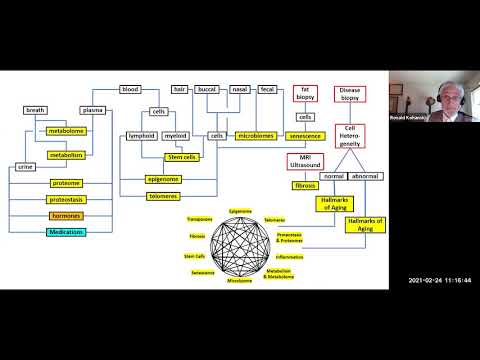
One intriguing area of study involves telomeres. These little caps at the ends of our chromosomes shorten as we age. When they get too short, our cells can’t divide anymore, and that’s when things start to go downhill. Scientists are exploring ways to preserve or even lengthen these telomeres. Imagine if we could keep our body’s cells in tip-top shape for longer!
Another exciting breakthrough is understanding senescent cells. You know those cells that just won’t die? They hang around and ruin the party by releasing stuff that causes inflammation and makes other cells go bad too. Researchers are developing drugs, often called “senolytics,” aimed at clearing out these pesky cells. Picture this: you could potentially rejuvenate your body simply by cleaning up your cellular mess!
And let’s not forget about stem cells. They’re like your body’s repair crew but less efficient as you age. Scientists are working on techniques to harness stem cells more effectively so they can fix damage in tissues and organs. It’s like having a toolbox that’s always stocked! Imagine repairing wear and tear just by using your own body’s resources.
Then there are caloric restriction studies. Some studies suggest that reducing calorie intake without malnutrition can extend lifespan in various organisms. It sounds tough, but researchers think they might unlock pathways that lead to longevity without starving us! This research is still in its early stages but shows promise.
And while all this sounds fantastic, it’s important to remember that aging is complex—there’s no one-size-fits-all solution here! Genetics plays a huge role too; your family history impacts how you age just as much as lifestyle choices do.
All these breakthroughs bring us closer to understanding aging better and possibly finding ways to extend not just life but quality of life as well. So yeah, it’s an exciting time in science! Just keep an eye out for new studies because this field is evolving quickly!
Understanding the National Institute on Aging: Insights into Aging Science and Research
Aging is something we all go through, right? But have you ever thought about how science tries to figure it all out? That’s where the National Institute on Aging (NIA) comes in. They’re pretty much at the forefront of aging research. Let’s break it down a bit.
The NIA’s Mission
The NIA is part of the U.S. National Institutes of Health (NIH). Their main goal? To understand aging and improve the health of older adults. This includes everything from basic biological research to public health initiatives. They want to help people live longer, healthier lives—but also make sure that as we age, we can do it well.
Research Focus
So, what exactly do they study? The NIA covers a lot of ground, and their research can be grouped into several key areas:
- Biology of Aging: This looks at what happens inside us as we age. Scientists explore cellular changes, like how our cells start acting differently when they get older.
- Aging and Health: They investigate how age affects our health and wellbeing, especially chronic conditions like heart disease or diabetes.
- Cognitive Aging: Understanding memory and cognitive decline is crucial. Researchers study conditions like Alzheimer’s disease to find ways to help those affected.
- Social Research: It’s not just about biology! NIA also studies the social aspects of aging—how relationships change over time and how our communities can support older adults.
Real-World Impact
The work that happens at the NIA isn’t just in labs filled with fancy equipment (though there’s plenty of that too!). It translates into real-world benefits. For example, thanks to their research, we have better approaches for managing Alzheimer’s disease and other dementias. Just think about how important it is for families dealing with these issues!
Another interesting aspect is their focus on healthy aging. They promote lifestyle changes that can lead to better health outcomes as you get older—like eating nutritious foods or getting regular exercise.
The Role of Technology
Look at technology today; it’s changing everything! The NIA is also on board with this wave by exploring how tech can assist older adults. For example, telehealth has been huge during recent years. Now, seniors can connect with healthcare providers from home—a big win for accessibility!
Aging Research in Action
You might find it inspiring to hear about individual stories emerging from this research too. There are many initiatives where volunteers participate in studies aiming to enhance future healthcare strategies for older adults. These people become part of something bigger—they’re helping scientists find new ways to tackle aging challenges.
In short, the National Institute on Aging plays a pivotal role in understanding what it means to grow old and how we can do it better together! With ongoing research and advancements being made every day, things are looking hopeful for future generations as they age gracefully! Sounds refreshing, right?
Breakthrough Discovery in Reverse Aging: Unveiling the Latest Advances in Longevity Science
The field of aging research has really picked up steam lately, and it’s kind of wild to think about where we might be headed. Scientists are diving into the nitty-gritty of how we age, and some breakthroughs might just change the game when it comes to aging and longevity. You know how they say we’re only as old as we feel? Well, researchers are trying hard to see if they can actually make that a reality.
A lot of this exciting work is happening at the National Institute on Aging. They’re not just twiddling their thumbs; instead, they’re rolling up their sleeves and getting into the science behind what makes us age in the first place. And it’s super complicated! There’s a lot going on in our bodies as we grow older—think about stuff like cell repair, genetics, and even your lifestyle choices.
One key player in this area is something called telomeres. These tiny caps on the ends of our chromosomes wear down every time our cells divide. It’s almost like a little timer counting down our biological age. Once these telomeres get too short, cells can’t divide anymore, which leads to aging tissues. Researchers are exploring ways to maintain or even lengthen these telomeres—imagine if they could give us more years of healthy living!
Also exciting is work around senescence. This is when cells stop dividing but don’t die off; instead, they hang around and start causing trouble by releasing harmful substances. Think of them like grumpy old neighbors who refuse to move out. Scientists are looking at ways to remove these senescent cells from our bodies, which could help rejuvenate tissues and organs.
Then there’s the role of stem cells. These special cells are like blank slates; they can turn into all sorts of other cell types that our body needs. As we age, our body has fewer stem cells available for repair work. Researchers hope that by figuring out how to boost stem cell populations or make existing ones more effective, we could improve healing processes and overall health.
And let’s not forget about diet! Studies show that certain eating patterns might have a profound effect on aging—and I’m not just talking about kale smoothies here. Caloric restriction has been linked with longer lifespans in various organisms. Researchers are investigating why trimming calories seems to help with longevity and whether it’s something we can safely replicate without starving ourselves.
There’s serious interest in genetic editing, too—especially with technologies like CRISPR coming onto the scene. It allows scientists to make precise changes in DNA that could potentially rectify genetic factors contributing to aging diseases or conditions.
The thing is, while all this research is super promising, there’s still so much more to understand before any practical applications hit the market widely—and you know how it goes: what works in mice doesn’t always translate directly to humans without some hiccups along the way.
Anyway, keep your eyes peeled because this field is bustling with energy! We might not be able to reverse aging completely yet—but thanks to ongoing research at places like the National Institute on Aging, who knows what advances are just around the corner? That spark of curiosity combined with science might actually lead us closer than ever before!
You know, aging is one of those things we all think about. It’s like, we want to live long and healthy lives, but it kinda freaks us out too. I mean, remember when you first realized your parents were getting older? It hits hard, right? That’s why the work being done at places like the National Institute on Aging (NIA) is super interesting.
So, let’s talk about what they’ve been up to. Research in aging isn’t just about adding years to our lives; it’s really about adding life to our years. Scientists there are digging into all sorts of stuff—from understanding how cells age to figuring out ways to prevent age-related diseases. Can you imagine a world where Alzheimer’s and other tough conditions are things of the past? Yeah, it sounds like something out of a sci-fi movie.
One of the cool things they’re looking into is how lifestyle changes can impact aging. Exercise, diet—those simple things can have a massive effect on our health as we get older. There’s this whole field called geroscience that studies how aging contributes to disease—and vice versa. It’s like peeling an onion; each layer reveals something new and surprising.
And here’s a thought: these advancements don’t just benefit older folks. A lot of what they learn can actually help younger generations too! If we can understand the processes behind getting old, maybe we can nip some health issues in the bud before they even start.
But it’s not all sunshine and rainbows, right? The ethical questions that come with this kind of research are pretty intense too. Like, if we find ways to significantly extend life or improve health in old age, who gets access? How do we balance quality of life with longevity?
In any case, it’s exciting stuff happening over there at the NIA! They’re basically striving for a future where aging doesn’t have to mean decline or suffering. So next time you see an elderly person struggling with mobility or memory loss, you can think about all the brilliant minds working hard behind the scenes trying to make that struggle a little lighter for everyone.
It reminds me that life is this journey full of ups and downs—but maybe there are ways we can make those downs less daunting as time goes on!