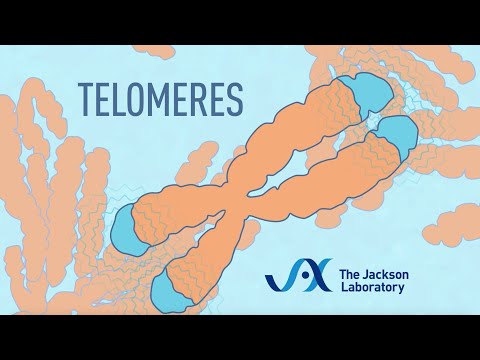
You know that classic moment when you try to remember a movie but only recall the last scene? It’s frustrating, right? Well, that’s kind of like what happens to our DNA as we age.
Imagine your cells are on a roller coaster. Each time they go around, they lose a little bit of their ride safety, you feel me? Those little bits are called telomeres. They’re like the plastic tips on shoelaces—super important for keeping everything together but only lasting so long.
So, here we are, living our best lives and having fun, but behind the scenes, our cells are racing against time. With each division, those telomeres get shorter and shorter. Eventually, they can’t protect our genetic info anymore. And guess what? That’s when cellular aging kicks in!
Let’s unpack this whole telomere thing and see what it means for you and me as we navigate this wild ride called life!
The Role of Telomeres in Cellular Aging: Insights from Modern Science
So, let’s chat about telomeres. These tiny structures are like the protective caps at the ends of your shoelaces—keeping everything from fraying and falling apart. In the case of telomeres, they sit at the ends of our chromosomes, which are basically long strands of DNA that carry our genetic info.
You see, every time a cell divides, it has to copy its DNA so each new cell has a full set. But here’s the catch: during this copying process, a little piece of the telomere gets chopped off each time. This means that as we age and our cells divide more and more, these telomeres gradually shorten.
Now, why should we care about shortened telomeres? Well, when they get too short, it’s kind of like running out of shoelace—you can’t hold it together anymore. The cells start to malfunction or stop dividing altogether. This is a big deal because it contributes to cellular aging, which can lead to all sorts of issues like age-related diseases.
- Aging Process: Telomere shortening is linked with various signs of aging in our bodies.
- Cellular Senescence: When telomeres become critically short, cells enter a state called senescence where they stop dividing but don’t die off right away. They hang around and can cause inflammation and other problems.
- Disease Correlation: Shortened telomeres have been associated with diseases like cancer and heart disease. Basically, not having enough ‘cap’ leads to chaos in cellular health!
You might be thinking—okay, but what causes this shortening? A few things are on the list! Things like stress, poor diet, lack of exercise—yup, those habits matter! Even just being super stressed out can make your telomeres shrink faster than normal.
A little story for you: A friend once told me about how her grandmother lived into her 90s but stayed energetic and spry well into her later years. She ate well and took daily walks in nature. Turns out that lifestyle wasn’t just good for her mood but also helped keep those telomeres longer!
And there’s hope on the horizon too! Research is buzzing about ways to protect or even lengthen telomeres through healthy living or possibly even treatments in the future. It’s an exciting area because who wouldn’t want to stay young at heart for longer?
So remember those little caps—telomeres might be tiny but they play a huge role in how our bodies age over time. Keeping them healthy could help you feel good both inside and out!
Understanding Telomere Shortening: Age-Related Insights from Molecular Biology
Alright, so let’s talk about telomeres. These little guys are like the caps on the ends of your shoelaces, keeping everything from fraying and falling apart. In the world of molecular biology, telomeres protect our DNA from damage during the process of cell division. Each time a cell divides, these caps get a bit shorter. That’s what we mean by telomere shortening, and it’s a key player in aging.
You see, every time your cells replicate—like when you heal a cut or grow new hair—they go through this whole copying process. But here’s where it gets tricky: they can’t just copy everything perfectly because some bits get lost during replication. Telomeres help prevent that loss from affecting vital parts of our DNA. But over time, as you age, these telomeres keep getting shorter and shorter.
- Aging and Telomere Shortening: Think about it like using a roll of tape. The more you unroll it to fix things, the smaller that roll becomes. As we get older, our cells have divided so many times that the telomeres are almost gone! This is one reason why older folks may have more health problems.
- Cellular Aging: When telomeres shrink enough, cells can no longer divide efficiently and are said to enter a state called senescence. They basically hit pause on their life cycle and stop functioning optimally. This can lead to issues like weakened immune responses or chronic inflammation.
- Molecular Insights: There’s this enzyme called telomerase that helps maintain or even lengthen telomeres in certain cells, like stem cells. However, it’s not active in most somatic (body) cells after we’re born. Basically, it’s kind of like having a magic glue for your shoelace tips but only having it available at certain times!
- Lifestyle Factors: Stress levels, diet choices, exercise habits—all play a role in how fast those telomeres shrink. Some studies suggest that healthier living could slow down this process! So yeah, going for that daily walk could be doing wonders beyond just burning calories.
Imagine this: I once chatted with an elderly neighbor who was still skiing at 80! She said she focused on staying active and eating well throughout her life. She might not know it scientifically speaking but her lifestyle likely kept her telomeres from shortening too quickly! Pretty inspiring if you ask me!
The bottom line? Understanding telomere shortening sheds light on the biological clock ticking away inside us all. While we can’t stop aging altogether (seriously wouldn’t that be cool?), we can definitely do things to take care of those precious telomeres—and by extension ourselves—along the way.
Exploring the Role of Telomeres in DNA Replication: Implications for Cellular Aging and Genetic Stability
Telomeres are like the protective caps on your shoelaces, but for DNA. Imagine them as little buffers at the ends of your chromosomes that keep everything neat and tidy, preventing the important stuff inside from fraying and getting damaged. They play a crucial role in DNA replication, which is the process where cells make exact copies of their DNA before they divide.
Now, here’s where it gets interesting: every time a cell divides, its telomeres get a bit shorter. It’s kind of like taking too many steps on a path until you wear down the edges. When telomeres become too short, they can no longer protect the DNA properly. This is linked to cellular aging. So, instead of being healthy and functional, these cells may enter a state called senescence or even die off entirely.
You might be thinking, “Okay, but how does this connect to aging?” Well, as more and more cells start to age out or become dysfunctional because of their short telomeres, our bodies can start to feel that impact. Over time, these older cells can’t do their job well anymore—leading to things like weakened tissues or even diseases. It’s almost eerie how this tiny part of our genetic material can hold so much influence over how we feel as we age.
Genetic stability is also at stake here. If your telomeres are able to do their job right—like keeping things in check—you maintain healthier DNA overall. But when they’re compromised? That’s when you might see mutations popping up more frequently. This instability in our genes can increase the risk for various diseases such as cancer since faulty cells could slip through unnoticed.
Another twist in this story involves an enzyme called telomerase. Most somatic cells don’t produce it much after development; however, some stem cells do! Telomerase helps rebuild those worn-out caps so that these special cells can keep dividing without losing their protective ends each time. Think of it like adding extra laces to your shoes so they don’t wear out quickly.
Here’s what you should know: research continues to unfold around telomeres and their role in cellular longevity—there’s still a lot we don’t fully understand yet! New studies are exploring whether enhancing telomerase activity could erase some signs of aging or reduce disease risks tied with genetic instability.
So next time someone brings up aging or genetics at a party (and hey, it happens), you’ll have some pretty fascinating insights about those little caps on DNA that play such a big part in our lives! Who knew something so tiny could matter that much?
You know, it’s kind of mind-blowing to think about how our cells age, right? I mean, every day our bodies are renewing themselves. New cells pop up all the time, which sounds super cool. But here’s where it gets a bit tricky: there’s this thing called telomeres. Ever heard of them? Well, they’re like the protective caps at the ends of our chromosomes—kinda like the plastic tips on shoelaces that keep them from fraying.
So, when your cells divide to create new ones—like when you get a cut and it heals—this DNA replication happens. The interesting part is that each time a cell divides, a little bit of that telomere gets chopped off. It’s not much, but over time? It adds up. Imagine walking down the street and losing tiny bits of your shoelaces with each step! Eventually, you’d be left with frayed ends that just can’t hold on anymore.
I remember reading about how scientists studied these telomeres and cellular aging—it was like a light bulb went off in my head! They found that as you age, those protective caps get shorter and shorter. Once they reach a critical length? Bam! The cell either stops dividing or just kicks the bucket altogether. This is one reason why older folks might find it takes longer to heal or bounce back from stuff.
But here’s the twist: some researchers say that by understanding telomeres better, we might unlock secrets to aging more gracefully or even improving health in our golden years. Wouldn’t that be something? It’s kind of exciting to think about what science could do!
At the same time, though, it makes me ponder: is aging really something we should fight against? I mean, with every wrinkle and gray hair comes wisdom and experience, right? But then again… who wouldn’t want their cells working at full capacity for as long as possible?
So yeah, telomeres might sound all technical and stuff, but they tell us so much about life itself. They remind us that even at a cellular level, everything has its limits—just like us humans navigating through life’s crazy journey! How wild is it to think about ourselves in such intricate detail?