You know that moment when you hear a really cool fact and just can’t help but share it? Like, did you ever realize that the human genome is about 3 billion base pairs long?! It’s like a super intricate jigsaw puzzle nobody’s quite finished yet. I mean, how wild is that?
So, here’s the thing: the National Center for Biotechnology Information (NCBI) has this awesome resource called Nucleotide. It’s like the treasure chest for all things DNA and RNA sequencing.
Imagine being able to dig into genetic code from tons of organisms, all in one spot. Whether you’re a whiz in the lab or someone just curious about genetics, NCBI Nucleotide is your handy sidekick. For students and researchers alike, it opens up endless opportunities to explore the building blocks of life.
Seriously, it’s like having a superpower to peek into the secrets of biology! Let’s chat about how this nifty tool can amp up your genomic research or spark some interest in education.
Comprehensive Guide to Downloading Nucleotide Sequences from NCBI: Enhance Your Scientific Research
Alright, let’s dig into the world of NCBI Nucleotide. It’s a treasure trove for anyone interested in genetic research. Seriously, if you’re working with genes, you should know about it. The National Center for Biotechnology Information provides access to nucleotide sequences—basically the building blocks of DNA and RNA. So, how do you download these sequences? Let me break it down for you.
First things first, navigating the NCBI website can be a bit overwhelming at times. Don’t sweat it; I remember the first time I tried to find specific sequences. It felt like wandering through a giant library without a map! But here’s how to make sense of it:
- Go to the NCBI homepage. Just type “NCBI” in your search engine and hit enter. You’ll see various databases they offer.
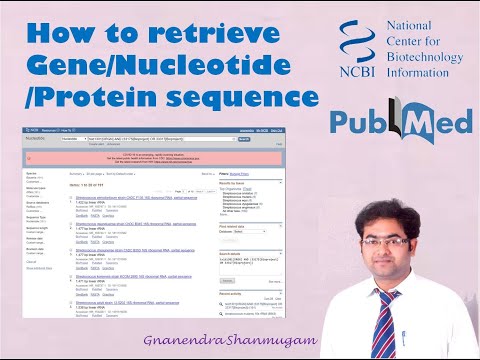
- Select “Nucleotide” from the list of choices. This is where all that genetic goodness lives!
- Use the search bar. You can type in specific gene names, accession numbers, or organism names here.
If you’re looking for something particular—like a sequence from E.coli or maybe even a human gene—you just pop that info into the search bar. Say you were interested in BRCA1, which is linked to breast cancer risk; input “BRCA1” and see what pops up!
Once you’ve searched for your target nucleotide sequence, you’ll be greeted with a list of results. Each entry usually includes multiple details like:
- The organism;
- The location;
- The accession number;
- A description.
This is pretty neat because it helps you know exactly what you’re dealing with! Now here’s where things get fun: when you’ve found the sequence you’re after, click on it!
You’ll land on a page that shows detailed information about the sequence along with its actual nucleotide string (you know, those A’s, T’s, C’s, and G’s). To download this sequence:
- Look for an option that says “Send to.”
- Select “File,” then choose your desired format—like .fasta or .gb (GenBank).
- Your file will be ready to save onto your computer!
I gotta say—the first time I downloaded data using this method was like finding out my favorite band was coming to town! Super exciting. Once you get those sequences on your computer, it’s all yours: analyze them using bioinformatics tools or even just marvel at their beauty on your screen.
If you’re ever unsure about anything while browsing NCBI—don’t hesitate to reach out! There’s always help available online through forums or scientific communities.
The bottom line? NCBI Nucleotide is an invaluable resource for researchers and educators alike. Whether it’s advancing projects or merely exploring genetic sequences out of curiosity, knowing how to efficiently download nucleotide information is key! So go ahead and explore!
Step-by-Step Guide to Submitting Whole Genome Sequences to NCBI: Best Practices and Tips
When you’re ready to share your genomic sequences with the world, NCBI is the go-to platform. Submitting whole genome sequences isn’t as daunting as it sounds! Well, mostly. Let’s break it down step by step, so you can get your data out there without pulling your hair out.
1. Prepare Your Data
Before you jump into submission, ensure your genome sequencing data is in the right format. Typically, you want to work with FASTA or GenBank formats. If you’re not sure what those are, think of FASTA as a plain text version that lists your sequences without extra fluff, while GenBank includes detailed info like annotations.
2. Create an NCBI Account
To start submitting data, you’ll need an account on NCBI’s website. It’s pretty straightforward; just go to their login page and sign up. You’ll receive a confirmation email, so keep an eye on that inbox!
3. Choose the Right Submission Tool
NCBI has several tools for different needs—like BankIt or Sequin for nucleotide submissions. Each tool has its flavor and function; BankIt is user-friendly for direct submissions without much fuss, while Sequin is robust and great for more detailed entries.
4. Fill Out Submission Information
When using these tools, you’ll have to provide some basic info about your project and data set. Here’s where you can get creative: give a catchy name to your project! This helps others (and future-you) recognize what’s inside later.
5. Validate Your Submission
Don’t just throw everything into the submission tool haphazardly! Use validation features offered by NCBI before finalizing anything. These checks will help spot errors like missing accession numbers or formatting issues—kind of like having a reliable friend double-checking your homework.
6. Submit and Wait for Review
Once validated, hit that submit button! But don’t relax just yet; every submission goes through a review process by NCBI staff to ensure quality and accuracy before they make it public.
7. Keep Track of Your Accession Numbers
After approval, you’ll receive accession numbers—these are super important! They’re like unique IDs for your sequences that researchers worldwide will use to reference your work later on.
8. Update Your Records if Needed
If there are any changes or updates necessary later on (like if new findings come up), don’t sweat it—it’s totally possible to submit updated data or corrections through the same submission system.
To wrap this up, remember: patience is key! The whole process might take some time from submission to public visibility because quality control takes precedence at NCBI.
So there you have it—a straightforward look at how to get those precious genomes submitted properly! It might seem overwhelming at first glance but breaking it down into manageable steps makes it way easier than you’d think. Just stay organized and communicate clearly in every part of the process; this really helps make everything smoother in the long run!
Comprehensive Overview of Genomic Databases for BLAST Analysis in Genomic Research
So, let’s talk about genomic databases and the popular tool called BLAST. You might be wondering how all this fits into the world of genomic research. Well, it’s pretty cool stuff!
First off, genomic databases are like giant libraries filled with information about DNA sequences from all kinds of organisms. Imagine having a place where you can go and look up any gene sequence or genetic information! It’s incredibly useful for researchers trying to understand different species or discover new genes.
Now, **BLAST**, which stands for Basic Local Alignment Search Tool, is a powerful program that helps researchers compare a gene or protein sequence against these massive databases. Think of it as your personal detective that searches through tons of data to find similar sequences. This helps scientists identify genes in new species or understand evolutionary relationships.
Here are some popular databases you might bump into while using BLAST:
- NCBI Nucleotide Database: This is one of the most extensive collections out there! It contains nucleotide sequences from various organisms, making it super handy for finding similar sequences.
- UniProt: If you’re into proteins rather than nucleotides, UniProt is your go-to. It provides detailed information on protein sequences so you can compare and contrast.
- Ensembl: Focused on annotating genomes, Ensembl gives insight into genes across many species—think of it as a multi-species catalog!
So how do these databases work with BLAST? When you input a sequence into BLAST, it searches these databases for similar sequences by breaking down the input into smaller parts and comparing them with stored ones. The matches are scored by how well they align. The better the alignment score, the more closely related those sequences are.
You know what’s even cooler? These tools aren’t just for researchers in labs! Educators often use them to teach students about genetics and evolution. Remember that time when I tried explaining genetic similarities using fruit? Well, imagine being able to pull up actual data on fruit genes from databases like NCBI Nucleotide while teaching! It bridges theory with real-world applications.
The applications here are just endless! From discovering new species to understanding diseases better by comparing genetic variations—it’s all connected through genomic databases and tools like BLAST.
In short, if you’re diving into genomic research or even just curious about genetics, knowing about these resources is gonna change your game completely. They open up worlds of discovery and knowledge waiting to be explored!
You know, when you dive into the world of genomics, it’s a bit like exploring a vast ocean. There’s so much out there, and it can feel overwhelming at times. But let me tell you about this treasure chest called NCBI Nucleotide. It’s basically a giant database that gives researchers access to an extensive collection of nucleotide sequences from all sorts of organisms—bacteria, plants, animals, you name it!
I remember when I first stumbled upon NCBI while helping a friend with a school project. They had to analyze DNA sequences for their biology class, and we were both completely clueless at the start. Then we found this unbelievable resource. Seriously! It was like finding an old map leading to buried treasure. We were able to pull individual sequences and even compare them; it opened up a whole new level of understanding for us.
So how does this all work? Well, nucleotide sequences are basically the building blocks of DNA. Think of them as letters in a huge book that writes out all the instructions for life. By accessing these sequences on NCBI, researchers can study genetic variations that could lead to breakthroughs in medicine or agriculture—like figuring out why some crops thrive in drought while others wither away.
Yet it’s not just big labs and fancy researchers using NCBI; it’s also accessible for students and educators alike. For anyone who wants to learn more about genetics or explore their own curiosities, it’s like having your very own genetic library right at your fingertips! You could ask questions like: “What makes this plant unique?”, or “How does this mutation affect health?” That hands-on approach makes learning way more engaging.
But here’s the kicker: while NCBI is powerful, it’s also essential for people to understand what they’re looking at. Genomic data can be complex and sometimes confusing—like trying to read a book in another language without the right dictionary handy! So education around these tools is super important too.
All in all, harnessing resources like NCBI Nucleotide is pretty groundbreaking—not just for research but also for inspiring curiosity in future scientists. And honestly? The more we tap into these resources together as a community—the better we’ll be at uncovering the mysteries of life itself. It makes you appreciate how interconnected everything is, doesn’t it?