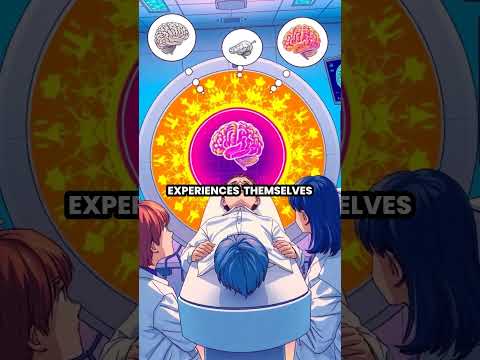
You know that moment when you wake up from a dream, and for a split second, everything feels so real? You try to hold onto it, but poof, it’s gone. Seriously, how can our brains cook up these wild scenarios while we snooze?
Well, that’s just a tiny peek into the big mystery of consciousness. It’s like this ultimate puzzle that scientists are still trying to piece together. Think about it: we’re living in our heads but can’t fully grasp what’s going on in there!
Neuroscience is digging deep into this enigma. It’s unraveling the spaghetti-like threads of thought, feeling, and awareness that make us who we are. So grab a comfy chair because the journey through the brain is about to get interesting!
Exploring the Neuroscience Perspective on Consciousness: Unraveling the Science Behind Human Awareness
Consciousness is one of those topics that can totally blow your mind, right? I mean, it’s like the ultimate puzzle. So, what is it? Basically, consciousness is our awareness of ourselves and the world around us. But how does it actually work in our brain? That’s where neuroscience comes into play.
The brain is a complex thing. It’s made up of billions of neurons that communicate with each other through electrical signals and chemicals. These connections create everything from our thoughts to our emotions and, yep, even our consciousness. Scientists have been trying to figure out how these tiny cells give rise to such rich experiences for ages.
One popular theory in neuroscience about consciousness suggests that it arises from the interactions between different networks in our brain. Imagine your brain as a super high-tech orchestra: different groups of neurons are playing their own instruments but need to come together in harmony to create a beautiful symphony—consciousness!
- The Global Workspace Theory: This idea proposes that information needs to be “broadcast” across many parts of the brain for us to be consciously aware of it. Think of it like a spotlight shining on what’s important while everything else fades into the background.
- The Integrated Information Theory (IIT): This theory proposes that consciousness corresponds to how interconnected different parts of the brain are and how much information they can share with each other.
A cool example: when you’re daydreaming or lost in thought, you might not notice things happening around you—like someone asking for help or your phone buzzing. In this case, your “global workspace” has focused on those internal thoughts instead of what’s happening in real-time.
Now let’s talk about brain studies. Techniques like fMRI (functional magnetic resonance imaging) have allowed scientists to observe which areas of the brain light up when we’re conscious versus when we’re not—like during sleep or when we’re under anesthesia.
An interesting find from these studies was that certain regions associated with attention and awareness activate pretty intensely when someone suddenly becomes conscious after being unresponsive. It’s like flipping a switch back on! And isn’t it wild? Just a moment ago, someone was out cold, and then *bam*, they’re awake and aware again.
However, there are still so many questions left unanswered about consciousness. No one has cracked the code just yet! Some argue that consciousness could even be an illusion—a trick played by our brains—as we try to make sense of all this sensory input coming at us every second.
You know those moments when you think you’re awake but realize later you were still dreaming? Well, it brings up lots of questions about what it means to actually “be” aware or conscious anyway. Are we ever truly in control?
In essence, studying consciousness through neuroscience not only helps unravel what makes us human but also opens doors for understanding various mental health conditions and altering states of awareness—from meditation practices to altered states brought on by substances.
The journey into understanding human awareness continues! And who knows—the more we delve into neuroscience, the closer we might get to unlocking some big mysteries about ourselves!
Exploring the Intersection of Neuroscience and Spirituality: Insights from Scientific Research
When you think of neuroscience and spirituality, it might feel like two worlds colliding, right? I mean, like, one is all about the brain and science, while the other is about feelings, beliefs, and something bigger than life itself. But guess what? They actually intersect in some pretty intriguing ways.
Neuroscience digs deep into how our brains work. It’s about understanding neurons, those little messengers sending signals all over your brain. When you feel something spiritual—like during meditation or a moment of awe—we can actually see changes happening in the brain. For example, studies using fMRI scans reveal that when someone is meditating, certain areas light up, showing increased activity. This helps researchers understand what happens during these profound experiences.
The thing is, spirituality can mean a lot of things to different people. For some, it’s about connecting to a higher power; for others, it’s finding peace within themselves. Whatever it looks like for you, neuroscience is trying to map out how these experiences affect our brains. And here’s where things get interesting: while science looks at the mechanics behind these feelings, spirituality often focuses on the meaning behind them.
- Meditation: It’s been shown to reduce stress and improve focus. When you meditate regularly, your brain actually changes! Areas related to compassion and self-awareness grow stronger.
- Spiritual experiences: Those moments of intense connection we sometimes feel—like when standing on a mountain or watching a sunset—can activate parts of the brain associated with pleasure and reward.
- Awe and wonder: Feeling small in this vast universe can have psychological benefits too! Studies suggest that experiencing awe can make us more generous and help boost our well-being.
You know what’s kind of fascinating? People often report feeling a sense of unity with everything around them during spiritual moments. Neuroscientists are exploring this notion too! For instance, some research suggests that the default mode network (DMN) in our brains—which is associated with thoughts about ourselves—shows decreased activity during deep spiritual experiences or meditation. This might imply we’re less focused on “me” and more on “we.”
But here’s where things get murky: not everyone agrees on what this all means. Some scientists argue that just because we can see brain changes doesn’t mean we understand why they happen or how they relate to consciousness itself—it doesn’t automatically explain why those experiences matter personally or spiritually.
The exploration of consciousness—the big question mark over what it means to be aware—is still very much open for debate. Neuroscience provides valuable insights into how our brains function but explaining consciousness? That’s another chapter altogether!
This intersection between neuroscience and spirituality keeps scientists on their toes! As they uncover more connections between our brain activity and spiritual experiences—who knows what new insights might emerge next? It’s kind of exciting thinking about all this stuff coming together in ways that could change how we view ourselves and even each other!
Unveiling the Unconscious: Evidence from Neuroscience and Its Implications for Science
The unconscious mind might sound like something out of a movie, but neuroscience digs deep into the layers of thought we don’t even know are happening. Understanding the unconscious is pivotal for grasping how our brains work and how we behave, often without us realizing it.
When you think about it, have you ever had a moment where you suddenly remembered something—or felt a strong reaction—and wondered why? That’s your unconscious at play. It collects information and experiences that influence your actions while sitting quietly in the background. Fascinating, right?
Neuroscientists use all sorts of tools to study this sneaky side of our minds. Techniques like fMRI or electrocorticography help them visualize brain activity in real-time. They can see which areas light up when we’re engaging in thoughts we might not be aware of. So cool!
Here are some big takeaways from what scientists have found about the unconscious:
- Automatic Processes: A lot of our daily decisions happen automatically. Think of driving a car—you don’t consciously think about every turn or stop sign.
- Priming Effects: This shows how exposure to one stimulus influences response to another without us even knowing it. For instance, if you see the word “yellow,” you’re quicker to recognize “banana.” Interesting, huh?
- Emotional Responses: Emotions can emerge from past experiences stored deep down without our awareness, affecting how we feel about people or situations.
Now, consider this: you’re at a gathering and smell a certain perfume that reminds you of an ex. Suddenly, emotions come flooding back! That’s your brain’s way of linking sensory experiences with memories tucked away in your unconscious.
But it’s not all just wild stories—there are serious implications here too! For scientists and psychologists, it opens doors for therapies aimed at managing conditions like anxiety or PTSD by tapping into those hidden thoughts.
Isn’t it crazy how much happens beneath our conscious radar? The more scientists explore this hidden realm, the better we understand mental processes—both healthy and unhealthy.
So really, neuroscience is helping us peel back layers of human experience that were once thought unreachable. This knowledge shapes everything, from therapy to marketing strategies—it helps us understand ourselves and each other just a little bit better every day!
You know, when you start to think about consciousness—like, what it really is—it can feel a bit like trying to catch smoke with your hands. It’s slippery, mysterious, and just out of reach. Neuroscience has been poking around in the dark corners of our brains to shed some light on these puzzles, which is pretty neat if you ask me.
I remember this one night when I was sitting on my porch, stargazing. The thought hit me: this vast universe is just like our minds. There are stars we can see and explore but then there are those hidden realms that remain untouched. That’s kind of how consciousness feels too, don’t you think? We experience thoughts and feelings daily, but what really goes on in the brain? What’s happening in the neural networks that make us… well, us?
Neuroscientists have been studying brain activity for ages now. Using fancy equipment like fMRIs and EEGs—they’re basically like detectives looking for clues. They’re trying to figure out how neurons firing connect to our awareness or even that little voice inside our heads. It’s wild how a tiny electrical impulse can lead to memories or creativity!
But let’s be real here; despite significant progress, we’re still scratching the surface. Some argue that understanding consciousness isn’t just about biology; it dips into philosophy too. Questions arise! Like—are we just biological machines? Or is there something deeper going on? It can feel overwhelming sometimes.
And here’s where it gets personal: think about those moments when you’re completely absorbed in something—like an amazing book or a riveting conversation with a friend. You’re so focused; everything else disappears. Those flashes of insight or creativity seem almost magical! Neuroscience seeks to explain these moments in terms of brain activity and connectivity patterns.
But still, there’s beauty in not having all the answers yet. It leaves room for wonder! The quest for understanding consciousness isn’t just scientific; it’s also deeply human—a journey through existence itself.
So yeah, neuroscience may not have unraveled all the mysteries just yet, but it’s opening new doors every day and inviting us to peek inside our own minds—a truly exciting adventure if you think about it!