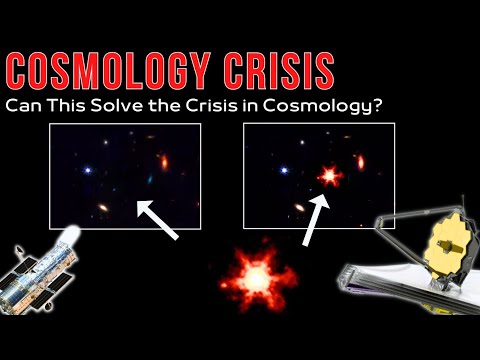
You know that feeling when you’re staring up at the night sky, and it feels like the universe is just this giant glitter bomb? I mean, seriously! One time, my buddy tried to count stars and lost track after, like, 30. He gave up and just started naming constellations like they were a list of his favorite pizza toppings.
Well, here’s something cool: there’s a new telescope coming that’s gonna help us see way deeper into space than ever before. I’m talking about details that are so tiny they’d make your head spin! This thing is set to be the “next-gen Hubble,” and honestly, the buzz around it feels electric.
Just imagine peering into cosmic mysteries we’ve only brushed past. It’s like having a front-row seat to the universe’s greatest show! So, grab your snacks and settle in; we’re about to go on a wild ride through space.
Exploring the Next Generation Hubble Telescope: Advancements in Space Observation and Scientific Discovery
The Next Generation Hubble Telescope is generating a lot of buzz, and for good reason! If you’ve ever looked up at the night sky and wondered about the stars, galaxies, or even black holes, this new telescope is going to blow your mind. It’s designed to capture clearer images of the universe than ever before.
So, what makes this telescope so special? Well, to start with, it’s got some serious upgrades. You know how your phone camera keeps getting better with each new model? The same goes for telescopes! The Next Generation Hubble will have improved sensors that can detect fainter light. This means it can see farther into space and look back in time. Pretty neat, huh?
Another cool feature is its spectrum analysis capabilities. This allows scientists to sniff out what stars are made of by analyzing the light they emit. Imagine being able to tell whether a star has hydrogen or helium just by observing its light! That information helps us understand how stars form and evolve.
Also worth mentioning is how this telescope will be equipped with a wider field of view compared to its predecessor. Basically, while Hubble takes stunning images of specific areas, the Next Generation Hubble can survey larger patches of sky more efficiently. You could think of it like moving from a zoomed-in view on your smartphone camera to a panoramic shot.
Now let’s talk about teamwork. The telescope won’t be flying solo; it’s going to be part of a larger network of observatories around the world and even in space. It’ll share data with other missions like NASA’s James Webb Space Telescope—the two are like cosmic buddies working together! They’ll help each other out by offering different perspectives on astronomical phenomena.
As exciting as all these advancements sound, they also raise questions about futuristic discoveries that we can’t even imagine yet. For instance, researchers hope this telescope will help answer profound questions about dark matter and dark energy—two mysterious components that make up most of our universe but remain largely elusive.
And here’s something really interesting: some scientists believe that this telescope could contribute to discovering exoplanets—those are planets outside our solar system—able to support life! Just think about it: finding planets that might have water or maybe even alien life forms? That is like sci-fi stuff coming to life!
But here’s the kicker: all these amazing features come with challenges too—like keeping it safe from space debris or harsh cosmic conditions. Engineers are constantly brainstorming ways to tackle these issues so the telescope can operate smoothly for years.
In summary, as we get closer to launching the Next Generation Hubble Telescope, you can’t help but feel excited about how it will expand our understanding of the cosmos and deepen our knowledge about everything from star formation to potential habitable worlds far beyond our own little blue planet! Who knows what amazing discoveries await us?
Next Generation Hubble: Advancing Cosmic Observation and Discovery in Space Science
So, let’s chat about the next generation of the Hubble Space Telescope. If you’ve ever looked up at the stars and felt that tingle of curiosity, you’re not alone. Hubble has been a rock star in our quest to understand the universe since it launched in 1990, sending back breathtaking images and groundbreaking data. But, like all good things, it’s time to think about what comes next.
The upcoming James Webb Space Telescope (JWST) is considered the next-gen cousin of Hubble. It’s not just a fancy upgrade; it’s really pushing boundaries in space exploration. Imagine this: while Hubble sees light mostly in the visible spectrum—like colors we can see with our eyes—Webb’s designed to observe infrared light. Why does that matter? Well, infrared lets us peek through dust clouds in space that can hide entire galaxies and star-forming regions. Think about all those stars being born that we can’t see clearly; Webb is like a cosmic detective, uncovering hidden gems!
So here are some cool things Webb is set to do:
- Study exoplanets: By analyzing the atmospheres of distant planets orbiting other stars, we can look for signs of life or at least conditions that might be friendly to it.
- Look back in time: Light from very distant galaxies takes millions or even billions of years to reach us. Webb can observe these ancient galaxies much better than Hubble could.
- Investigate galaxy formation: Scientists believe knowing how galaxies formed gives insight into how our own Milky Way came to be.
Picture for a moment an astronomer, maybe someone like you or me with huge glasses and a passion for stargazing. That person spends late nights on their roof deck staring up with binoculars, dreaming about what’s out there. With JWST’s powerful tools, they could potentially find planets capable of supporting life—or even catch a glimpse of how stars are born! Seriously exciting stuff.
Another thing worth mentioning is how JWST will collaborate with other telescopes on Earth and in space. The data collected will create an incredible tapestry of understanding across different wavelengths. For example, combining data from both Hubble and Webb lets scientists compare what they see directly versus what was hidden from view before.
But hey, nothing works perfectly right? The launch was delayed multiple times because engineers worked hard to make sure every little thing would be just right—like tuning a really expensive guitar before hitting the stage! And once it’s up there? There’s always risks involved with space missions—it’s tough out there! But if all goes well… oh boy! The discoveries waiting for us could blow our minds.
In summary, this whole transition from Hubble to JWST represents a huge leap in cosmic observation. We’re moving into an era where we’re equipped with technology that allows us clearer views into deep space than ever before. So next time you gaze at the night sky or flip through those mesmerizing images online, remember: it’s not just history—it’s about discovering our place among the stars!
Next Generation Hubble: Advancements in Cosmic Observation and Astronomy in 2022
The universe is a super exciting place, right? And with advancements in technology, we’re getting closer to understanding it better. So, let’s chat about the next generation of space telescopes and what they’ve been up to since 2022.
First off, the **James Webb Space Telescope** (JWST) launched at the end of 2021 but really kicked things into high gear in 2022. Think of it as the successor to Hubble, but way cooler. This telescope is like having a pair of supercharged glasses that lets us see deeper into space and time—pretty amazing if you ask me!
One big leap is its ability to capture images in infrared light. Hubble mostly worked in visible light, which is great but limits what we can see. Infrared can penetrate dust clouds that hide some of the universe’s oldest stars and galaxies. It’s like being able to look through fog; suddenly everything comes into focus!
Some key advancements include:
- Better Resolution: JWST offers sharper images than Hubble thanks to its larger mirror, which is about 6.5 meters across compared to Hubble’s 2.4 meters.
- Studying Exoplanets: This telescope helps scientists analyze the atmospheres of distant exoplanets by looking at their light signatures. Imagine finding out if there’s water vapor or even signs of life on another planet!
- Looking Back in Time: Since light takes time to reach us, observing distant galaxies means we see them as they were billions of years ago. JWST allows us to study the early universe like never before.
You know what’s truly spectacular? The first images released from JWST stunned everyone! Colors and details were so vibrant and intricate that it felt like we were peering into a whole new world—or should I say, universe? It was a bit emotional seeing those first glimpses because you realize how tiny we are compared to all that vastness.
Now, let’s not forget the science behind these observations. The data collected isn’t just pretty pictures; it helps astronomers understand star formation, galaxy evolution, and even dark matter! Yeah, who knew a telescope could help unravel such cosmic mysteries?
The Next-Generation Hubble might also refer to future telescopes aiming for different wavelengths or even more powerful features. But for now, JWST is leading the charge in expanding our cosmic knowledge.
In short, the advancements in cosmic observation since 2022 have taken us a step further into understanding our universe’s mysteries—like unveiling secrets hidden for eons! The excitement around this new technology continues to grow as astronomers eagerly analyze data and make new discoveries that will reshape our view of everything beyond Earth.
So yeah, keep your eyes peeled because there’s so much more coming our way from these amazing instruments floating out there in space!
You know, thinking about space telescopes is kind of mind-blowing. I remember the first time I learned about the Hubble Space Telescope. It was like a massive eye peering into the universe, showing us breathtaking images of galaxies and nebulae that we could only dream of. It’s hard not to get lost in those vibrant swirls of color and light, like the universe’s own artwork.
But now, as we look ahead to what’s next, there’s this buzz in the air about next-generation telescopes. Seriously, it’s like we’re on the brink of something huge! The James Webb Space Telescope (JWST) has already started giving us glimpses into cosmic history that Hubble just couldn’t reach. It’s incredible how these new tools are pushing boundaries and opening up new questions.
Imagine peering back into time to see when stars were just starting to form or catching a glimpse of planets in far-off solar systems that might host life. That’s what these advanced telescopes promise—an expanded view into our universe’s secrets.
When I think about it, it reminds me of my childhood curiosity. You know those moments when you’re staring up at a starry sky as a kid? There’s this sense of wonder mixed with a little bit of fear—like, how can something be so vast? Looking at images from JWST now makes me feel like that kid again. It’s thrilling yet humbling to realize how much more there is to explore.
And honestly, it’s not just about pretty pictures; these telescopes could revolutionize our understanding of everything—from galaxy formation to dark matter and even life beyond Earth! But with all this excitement comes responsibility too. As we make this leap in technology, we’ve gotta make sure we’re also thoughtful stewards of what we’re discovering.
Anyway, the future looks bright—well, if you’re looking at stars and galaxies! And who knows what other cosmic mysteries we’ll unravel with these next-gen instruments?