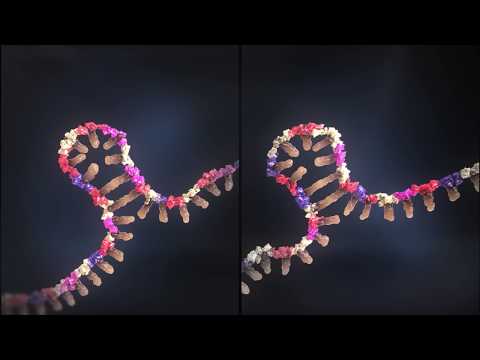
You know that feeling when you find a secret doorway in your favorite book? Like, you thought you knew the whole story, and boom—there’s a hidden section! That’s kinda how I feel about non-coding DNA.
So, what is it? Well, if DNA is like a cookbook for life, think of non-coding DNA as all the cool notes and doodles in the margins. You’d think it’s just junk, right? But hold on! It’s got some pretty fascinating roles that scientists are only just beginning to understand.
I mean, picture this: you’re at a party, and everyone’s talking about what they do for a living. But there’s one person hanging back—not really saying much but totally important in keeping the vibe alive. That’s non-coding DNA for you!
Stick around while we untangle this mystery together. You might just find yourself fascinated by what your genes are up to when they’re not busy making proteins!
The Crucial Role of Noncoding RNAs in Cellular Regulation and Disease: Insights from Molecular Biology
You know, the more we dig into genetics and molecular biology, the more we realize how multifaceted our DNA really is. Noncoding RNAs (ncRNAs) are one of those fascinating layers we’ve come to appreciate. Unlike regular RNA that helps make proteins, ncRNAs don’t code for proteins at all. Yet, they play this super important role in regulating what happens inside cells.
To put it simply, noncoding RNAs can be divided into different types—like microRNAs and long noncoding RNAs (lncRNAs)—each with its own job description. You might be wondering what these little guys do. Well, they’re involved in all sorts of functions such as gene expression regulation, maintaining the structure of chromosomes, and even influencing how cells respond to stress or signals from their environment.
Let’s take a closer look at microRNAs first. These tiny bits of RNA are like the traffic cops of gene expression. They bind to messenger RNAs (mRNAs) and tell them whether to make a protein or hit the brakes on production. This regulation is crucial because if too many proteins are made, or not enough, it can lead to serious problems like cancer or other diseases.
And then there are lncRNAs which are a bit more complex but super intriguing. Imagine them as charming multitaskers! They can interact with DNA, help modify histones (the proteins that package DNA), or even work together with other regulatory molecules to control gene activity. Their roles can get pretty elaborate; some lncRNAs even help keep genes “quiet” when they should be off.
But hey, why does this matter? Well, disruptions in noncoding RNAs have been linked to various diseases—like cancers and genetic disorders—where it seems like these regulators go rogue. For instance:
- Cancer: In many types of cancer, certain microRNAs may be downregulated leading to overproduction of oncogenes.
- Cardiovascular diseases: Some lncRNAs have been associated with heart development and function; an imbalance could result in heart disease.
This just scratches the surface when it comes to their involvement in disease processes! When I think about this stuff sometimes it feels like an intricate puzzle where every piece has its place but losing just one can change everything.
So yeah! As scientists continue peeling back the layers on these noncoding RNAs, we’re sure to learn even more about how they contribute to cellular regulation and health overall. It’s pretty wild to think that something we used to ignore could hold so much power over our health and well-being!
The Role of Non-Coding DNA in Regulating Protein Synthesis: Unveiling Genetic Complexity
Well, let’s chat about something that might sound a little dull at first but is actually mind-blowing: non-coding DNA. You know, the parts of our DNA that don’t directly code for proteins? Yeah, those. So, many folks think DNA is all about making proteins. But hold up! There’s a whole lot more happening in our genetic world.
First off, it’s important to know that non-coding DNA makes up about 98% of our genome. Sounds wild, right? A big chunk of our genetic material isn’t telling our cells how to make proteins. But that doesn’t mean it’s just sitting around doing nothing. In fact, it plays some seriously important roles.
One major function of non-coding DNA is its role in regulating protein synthesis. Regulation is key here because, without it, your cells would just be cranking out proteins left and right without any order—imagine a factory where every machine works 24/7 without coordination! Yikes!
Inside non-coding regions, you’ll find things called enhancers and promoters. Enhancers can amp up the production of certain proteins by making sure the right genes are activated when needed. Think of them like cheerleaders at a game; they get things going when they’re most needed.
Then there are transcription factors, which are sort of like gatekeepers. They bind to these enhancers and promoters and help kick off the process of reading the genes—and those non-coding sections help determine where and when they show up! It’s all about timing and location!
A great example would be the gene responsible for hemoglobin production in red blood cells. Non-coding regions interact with transcription factors to ensure this gene is turned on at just the right moment in your life—like during growth spurts or high altitude conditions.
And let’s not forget about something called long non-coding RNAs (lncRNAs). These guys come into play once proteins are being made. They hang around near genes and help regulate how much protein gets produced by influencing how tightly the DNA is packed. Tighter packing means less transcription (protein making), while looser packing allows for more activity. It’s all connected!
So yeah, while it might sound like we’ve got a bunch of “junk” floating around in our genomes, this so-called junk serves as an essential part of a complex system managing how proteins are made and when they’re needed.
The thing is, scientists are still unraveling these mysteries—understanding more about non-coding DNA can give us insight into everything from developmental biology to diseases like cancer! So next time someone mentions genetics, remember there’s way more than just coding going on in those sequences—it’s a rich tapestry woven with regulatory magic!
The Role of Non-Coding DNA in Genetic Fingerprinting: Insights from Molecular Biology
So, here’s the deal with non-coding DNA. You’ve probably heard about DNA being the blueprint for life, right? Well, that’s mostly true for the parts that actually code for proteins. But wait, there’s more! A huge chunk of our DNA doesn’t code for proteins at all—it’s called non-coding DNA. You might be thinking, “What’s the point of that?” It turns out it plays a pretty significant role in genetics.
Non-coding DNA makes up about 98% of our genome. Yep, you read that right—ninety-eight percent! It was once thought to be “junk,” but advances in molecular biology have shown it’s anything but useless. This unassuming part of our DNA actually has a hand in regulating genes and maintaining chromosome structure. Pretty cool, huh?
Now let’s talk about genetic fingerprinting. This is like your personal genetic ID card. When forensic scientists analyze DNA samples from a crime scene or paternity tests, they often look at regions of non-coding DNA known as short tandem repeats (STRs).
So what are STRs? Picture this: they’re repeating sequences of bases—like a catchy song chorus that keeps coming back around! These repeats can vary significantly among individuals, making them perfect for telling one person from another. Imagine two people with similar traits; one might have 10 repeats while the other has 12—it becomes an easy way to differentiate them.
Here’s where it gets even more interesting: because non-coding regions evolve faster than coding ones, they can provide a snapshot of how populations change over time. By studying these variations in non-coding areas across different groups, researchers can trace human migration patterns or even identify links between ancient populations and modern ones.
Non-coding DNA also helps with gene expression, acting like switches. Some sequences can turn genes on or off depending on various conditions—sort of like how you adjust your thermostat based on whether you want it warmer or cooler inside. This regulation is key to your body functioning properly.
But let me tell you a little story to show just how vital this is: imagine researchers working late into the night trying to figure out why certain diseases run in families. They’re sifting through mountains of data when bam! They find a pattern linked not just to coding regions but also non-coding ones. It leads them to uncover how some diseases could be triggered by “silent” mutations in these areas—mutations that don’t change proteins but still mess things up at the cellular level.
In forensic science and medicine alike, understanding how these non-coding regions work opens doors for new treatments and technologies… amazing stuff!
In summary, non-coding DNA isn’t just filler; it plays crucial roles in gene regulation and identification techniques like genetic fingerprinting. You see? The world of genetics is far more intricate than we used to think! So next time someone mentions DNA, don’t forget about those unsung heroes lurking in between the coding sequences—they’re doing way more than you might realize!
You know, when we think about DNA, it’s kind of easy to get caught up in those flashy genes—the ones that tell our bodies how to make proteins or influence traits like eye color. But then there’s this other part of DNA that doesn’t quite get the same spotlight: the non-coding DNA. Like, who would have thought that 98% of our DNA doesn’t code for proteins? That’s a huge chunk!
So, picture this: a few years ago, I found myself staring at a brilliant sunset, colors splashing across the sky like a painter’s palette. And while I was just soaking in that beauty, I couldn’t help but think about all the behind-the-scenes stuff happening in nature. Just like the sunset has layers and complexity beneath its surface beauty, non-coding DNA plays some pretty crucial roles in our genetics.
Non-coding DNA often gets dismissed as “junk,” but that’s really misleading. It actually has a ton of important functions—like regulating gene expression and maintaining chromosome structure. Imagine if you had a coach who didn’t just tell you what moves to make but also figured out when to motivate you or hold you back based on your performance; that’s kind of what non-coding regions do for genes.
And then there’s something called “transcription factors.” These are molecules that latch onto non-coding regions and help control when and how genes are turned on or off. It’s sort of like having an orchestra conductor guiding musicians; if they’re not doing their job well, the whole symphony can fall apart.
But here’s where it gets even more interesting: scientists are now realizing that some non-coding DNA is involved in diseases too. If there’s a glitch in these regions—like if the conductor goes rogue—it could lead to conditions like cancer or genetic disorders. So even though these bits don’t directly create proteins, their role is super vital!
It blows my mind thinking about how much we still have to learn about these mysterious non-coding parts of our genetic makeup. They remind us that not everything important screams for attention; sometimes it’s those quiet components doing the heavy lifting behind the scenes.
Basically, as fascinating as protein-coding genes are, let’s give some love to their less flashy cousins! The world of genetics is so much richer than we usually think—full of intricate connections and surprises waiting to be uncovered. And who knows? Maybe one day we’ll look back on all we’ve learned about non-coding DNA with the same sense of wonder we feel for those beautiful sunsets.