So, picture this: you’re at a party, and someone mentions nuclear reactors. The whole room goes silent. Like, you can practically hear crickets chirping. Everyone’s suddenly super interested in their drinks or scrolling through their phones. But here’s the thing—nuclear energy is way cooler than you think!
I mean, it powers whole cities! And there’s this crazy science behind it that many people just don’t get. You know how we learned about atoms back in school? Well, those tiny little things hold the secret to some serious energy production.
Nuclear reactor physics might sound intimidating, but trust me, it’s not all that complicated once you break it down. Think of it as a giant puzzle where each piece plays a crucial role in keeping things running smoothly. You follow me?
So let’s kick off this journey into the fascinating world of nuclear energy together! There are so many wild facts and stories to unfold; you’ll never look at a light switch the same way again!
Exploring Nuclear Reactor Physics: Insights into Energy Production and Efficiency
Nuclear reactor physics is, like, super intriguing! It’s all about how we harness the power of atoms to create energy. So, let’s break it down a bit, shall we?
First off, you need to understand the basics of nuclear fission. This is when atomic nuclei split apart. Imagine a giant LEGO block that breaks into smaller pieces. In a nuclear reactor, we usually use uranium-235 or plutonium-239 for this process. When these nuclei split, they release **huge amounts of energy**—like tons more than you’d get from burning coal or gas.
Energy Production
When fission happens, it releases not just energy but also **neutrons**. These neutrons can go on to hit other nuclei and cause them to fission too! This leads to what we call a chain reaction. It’s kind of like a row of dominoes falling over—once you start it, it keeps going until you stop it.
The reactor controls this chain reaction using materials called **moderators** and **control rods**. Moderators slow down the neutrons so they can be absorbed by the fissile material more effectively—water and graphite are commonly used for this role. Control rods are made from materials that absorb neutrons (like boron) and can be moved in and out of the reactor core to manage the reaction rate.
Efficiency
Now let’s chat about efficiency because that’s really important in energy production. Nuclear reactors are designed for high thermal efficiency; basically, how well they convert heat from fission into electricity. Most modern reactors have an efficiency rate around 33% to 37%. This means that while they produce a ton of energy, there’s still some waste heat that gets released into the environment.
You might be wondering why we can’t just get more efficient at converting that heat into electricity? Well, the laws of thermodynamics come into play here! They tell us about limits on how efficiently we can convert thermal energy into mechanical work.
Another neat thing? Some newer reactor designs are looking at different fuel cycles—like using thorium instead of uranium—because thorium could potentially be cheaper and safer with less long-lived radioactive waste.
Safety Concerns
Speaking of safety, that’s another whole area where nuclear physics comes in! The design and operation of reactors focus heavily on preventing accidents like meltdowns or radiation leaks (you know about Chernobyl or Fukushima; those were big deals). Engineers use multiple safety systems: containment structures to prevent radiation escape and cooling systems to keep things cool even if something goes wrong.
To sum up all this info: nuclear reactor physics is all about harnessing atomic power through controlled reactions for efficient energy production while keeping everything safe and sound. It’s honestly pretty mind-blowing when you think about it! And while there are challenges ahead in terms of waste management and public perception, advances in technology might just make nuclear power an even bigger player in our quest for sustainable energy solutions!
Exploring the Advantages of Nuclear Energy: A Comprehensive Analysis in the Field of Science
Let’s talk about nuclear energy, shall we? It’s one of those topics that gets people fired up, and there’s a lot to unpack. You might think of nuclear power as just those big, scary plants that create energy from atomic reactions. But there’s way more to it than meets the eye!
So, first off, what is nuclear energy? Essentially, it’s the energy that comes from splitting atoms. This process is called **nuclear fission**. When an atom’s nucleus is split apart, it releases a massive amount of energy. And that’s the fuel for those gigantic reactors you often hear about!
Now here are some advantages of nuclear power that make it a pretty interesting player in the energy game:
- Low Greenhouse Gas Emissions: Compared to fossil fuels like coal or natural gas, nuclear plants emit very little carbon dioxide. That’s super important when we’re trying to fight climate change.
- High Energy Density: Nuclear fuel contains a lot of energy in just a tiny bit of material. For instance, 1 kilogram of uranium can produce as much energy as over 20,000 kilograms of coal! Seriously mind-blowing.
- Reliability: Nuclear power plants can run continuously for long periods—often up to 18-24 months—before needing to refuel. So they provide a constant flow of electricity, which is something renewable sources like solar and wind don’t always do.
- Job Creation: Building and operating these plants creates jobs—like engineering positions and skilled labor roles—which is good for the economy.
You know how sometimes you hear stories about people being inspired by science? I once met a guy who got into engineering after visiting a nuclear plant on a school trip! He was blown away by how complex everything was and wanted to be part of it all.
But before you think this is all sunshine and rainbows, there are challenges too. Like what to do with nuclear waste—it can stay radioactive for thousands of years! And then there’s the potential for accidents; Chernobyl and Fukushima are still fresh in people’s minds.
Still, researchers are working hard on making things safer with new technologies like **small modular reactors (SMRs)** that promise better safety features and efficiency.
In summary, while nuclear energy has its pitfalls—lots to think about—the upsides can’t be ignored either! With its potential for low emissions and robust energy output, it holds an essential place in discussions about our future energy landscape. It’s like juggling; there’s balance involved in handling all aspects correctly!
Understanding Nuclear Reactor Diagrams: A Comprehensive Guide to the Science Behind Energy Generation
Alright, let’s talk about nuclear reactors and how they work. You might have seen diagrams before, and thought, “What the heck is going on in there?” So let’s break it down in a way that makes sense.
First off, nuclear reactors are basically big machines that generate energy. They do this by splitting atoms—pretty wild stuff! When you split an atom in a process called **fission**, it releases a ton of energy. Imagine breaking apart a really strong Lego structure; it takes some effort, but once you do, everything comes tumbling down with a big bang—well, not quite like that, but you get the idea.
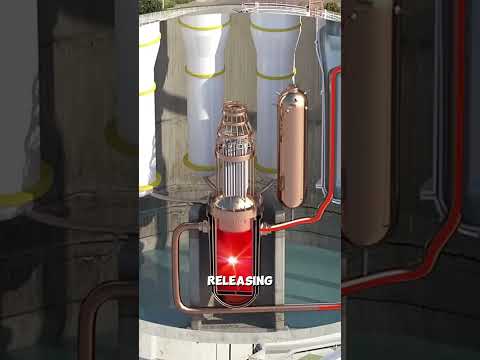
Now, let’s look at a typical nuclear reactor diagram. Here are some key components you’ll usually see:
- Nuclear Fuel: This is where all the magic starts. The fuel is often made from uranium or plutonium. When these atoms split, they create heat.
- Control Rods: Think of these as the brakes for our reactor. Made of materials that absorb neutrons (like boron or cadmium), they help control the reaction speed. If things get too hot and wild? Down go the control rods.
- Moderator: This can be water or graphite. Its job is to slow down fast-moving neutrons so they can better collide with more fuel atoms, creating more fission reactions. You want these neutrons to hang out for a while before moving on!
- Coolant: This is usually water too! It circulates through the reactor to absorb the heat generated during fission and carries it away to produce steam.
- Steam Generator: As water heats up because of all that energy being produced, it turns into steam which then drives turbines to generate electricity.
Here’s where it gets personal: I remember visiting a power plant once on a school trip. We stood in front of huge pipes carrying steam to turbines—like giant silver snakes! The energy created here powers whole cities; it’s pretty mind-blowing when you think about it.
Now back to our diagram! The process looks sort of like this:
1. The **fuel** heats up.
2. The **coolant** carries away that heat.
3. Steam is produced from heated coolant.
4. That steam spins turbines.
5. And voilà! Electricity!
You might be thinking: “What happens if something goes wrong?” Good question! Safety systems are built into reactors like layers of protection—sorta like how you’d wear multiple layers in winter to avoid getting cold.
Nuclear reactors have many safety measures:
- The core is housed within thick concrete walls that are designed to contain any radiation.
- If there’s an emergency, engineers can shut down reactors quickly by lowering those control rods fast!
So there you have it—a quick run-down on how nuclear reactor diagrams relate directly to energy generation! It’s amazing how much science goes into something we often take for granted when we flip on a light switch. Honestly? It gives me chills just thinking about how much energy flows around us every day thanks to these incredible machines!
Alright, let’s chat about nuclear reactor physics and how it ties into energy production. You know, when I first learned about this stuff, I was really amazed. It feels so sci-fi, right? But beneath all that complex jargon is actually a pretty cool process that powers a significant chunk of our world.
So, in a nutshell, nuclear reactors harness the energy released from splitting atoms—specifically uranium or plutonium. This is called fission. When these heavy atoms split, they release a ton of energy in the form of heat. Seriously, it’s like giving a supercharged kick to the core of the reactor! This heat is used to turn water into steam, which then spins turbines to generate electricity. Kind of genius if you ask me.
I remember watching this documentary once about a small town that relied entirely on a nearby nuclear plant for its power supply. The community felt both proud and anxious about it. It’s fascinating how one facility can create so much energy but also bring up concerns about safety and waste management. You feel a mix of awe for the technology and anxiety over what happens when something goes wrong.
And here’s something interesting: while we often think about the risks associated with nuclear reactors—like meltdowns or radiation—the fact remains that they produce zero carbon emissions during operation. This could be essential as we try to tackle climate change! But then again, you have to consider where we put all that radioactive waste—it’s not just going to disappear overnight.
Another thing that gets me thinking is how advances in technology could change everything we know about nuclear energy production. Newer designs focus on making reactors safer and more efficient, so maybe there’s hope for even cleaner energy in the future? Imagine communities powered by tiny reactors rather than giant plants!
In the end, it’s this mix of potential and peril that makes nuclear reactor physics so captivating yet complex. There’s no simple answer—it’s all very nuanced. And whether you’re excited or nervous about it depends on your perspective. It’s like peering into a fascinating yet slightly terrifying abyss; there’s beauty in understanding but also fear in its uncharted depths!