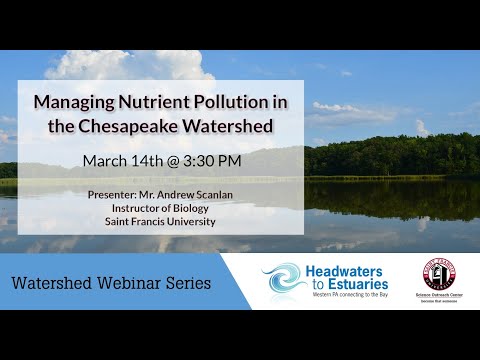
Alright, picture this: you’re at a picnic by the Chesapeake Bay, enjoying the sun. Suddenly, you spot a bunch of algae floating around. Yikes, right? It’s like a weird green soup you definitely didn’t order.
Nutrient pollution is kind of like that unwanted guest at your party—it just shows up and makes everything messy. But unlike an annoying friend with bad jokes, this problem is seriously affecting the ecosystem and all the critters living there.
You know how we’ve all got that one friend who’s really into health food? Well, our waters could use a little of that vibe too. Too many nutrients—like nitrogen and phosphorus—end up in the bay from fertilizers and runoff. It’s not just a “meh” situation; it creates dead zones where fish can’t even breathe!
So let’s take a stroll through what’s going on in the Chesapeake Bay and see what we can do to clean up the waters, shall we?
Assessing Atmospheric Nitrogen Contributions to Chesapeake Bay: A Comprehensive Analysis of Percentage Influx
Assessing atmospheric nitrogen contributions to the Chesapeake Bay is a pretty interesting topic, especially when you think about how it affects our ecosystems. Let’s break this down in a way that makes sense.
The Chesapeake Bay is super important, right? It’s not just a beautiful body of water; it serves as a home for countless species and provides resources for local communities. However, it faces big challenges with nutrient pollution, mainly from nitrogen and phosphorus. These nutrients can lead to algal blooms which mess up water quality and harm marine life.
Now, here’s where atmospheric nitrogen comes into play. Atmospheric nitrogen refers to the nitrogen found in the air we breathe, which is primarily made up of N2 gas—like 78% of our atmosphere! But not all of that nitrogen can be used directly by plants or aquatic life. It needs to be “fixed” into forms like ammonia or nitrate first.
When we talk about assessing **atmospheric nitrogen contributions**, it’s crucial to look at how much of this fixed nitrogen actually ends up in the Bay. This influx happens through several avenues:
- Precipitation: Rainfall can carry fixed nitrogen compounds into the Bay. This happens often because storm systems pull these compounds down when it rains.
- Dust and Particles: Dust storms can send tiny particles loaded with nitrates into the air, which eventually settle into water bodies.
- Human Activities: Things like farming and industrial activities release nitrogen oxides (NOx) into the atmosphere, which then fall back down as rain or dust.
In terms of **percentage influx**, researchers have estimated that about half of the total nitrogen entering the Chesapeake comes from atmospheric sources! That’s significant—it shows just how interconnected our air and water really are.
But why does this matter? Well, when too much nitrogen enters the system, it leads to problems like eutrophication. This is a fancy term for when nutrient overloads cause massive algal blooms. When those blooms die off, they consume oxygen in the water as they decompose. Toxic environments start forming where fish and other aquatic organisms can’t survive.
Looking at **the numbers**, studies have suggested various ways to quantify these contributions. Some use models incorporating historical data on precipitation patterns alongside current air quality readings to estimate inflow percentages more accurately.
To tackle this issue effectively, scientists must collaborate across different fields: ecology, meteorology, and environmental science all come together here! They analyze everything from weather patterns affecting rainfall to tracking pollutant sources.
So what’s being done? There are ongoing efforts to reduce nutrient pollution entering waterways—from stricter regulations on emissions from industries to better agricultural practices that limit fertilization runoff.
In short, assessing atmospheric nitrogen contributions isn’t just about crunching numbers; it’s about understanding our world better so we can protect places like Chesapeake Bay for future generations. Every bit counts!
Preserving the Chesapeake Bay Ecosystem: Scientific Approaches and Strategies for Sustainability
The Chesapeake Bay is a special place, you know? It’s like this massive hub of life, filled with crabs, fish, and all sorts of plants. But here’s the catch: it’s dealing with some serious nutrient pollution problems. So let’s break down what’s happening and how scientists are stepping in to help save this beautiful ecosystem.
Nutrient pollution is basically when too many nutrients, primarily nitrogen and phosphorus, get into the water. These nutrients often come from farms, sewage systems, and even urban runoff. When they flow into the bay, they cause algae blooms that choke out other marine life. **The scary part?** These blooms can lead to dead zones where nothing can survive.
To tackle this issue, scientists have come up with several strategies. Here are a few notable ones:
- Monitoring Programs: Regularly measuring nutrient levels helps identify problem areas quickly.
- Best Management Practices (BMPs): These are practices farmers use to reduce runoff from their fields. For example, planting cover crops can help absorb excess nutrients before they reach the bay.
- Restoration Projects: Restoring wetlands can be like hitting the reset button for ecosystems. Wetlands filter pollutants naturally!
You might be wondering what makes these methods effective. Well, let’s chat about one approach—**the use of living shorelines**! Instead of building bulkheads which can disrupt natural habitats, living shorelines use plants and natural materials to stabilize the coast while providing homes for wildlife.
I remember hearing about a community effort where local volunteers planted grasses along the shoreline. It wasn’t just for looks; these plants helped filter out pollutants while creating a habitat for fish fry and crabs to thrive in! Watching those little creatures find their way back home felt like witnessing nature at its best.
Another key strategy involves **reducing nutrient loads from wastewater treatment plants**. Upgrading these facilities means they can better treat sewage before it enters the bay—a total win-win! Think about how much cleaner our waters could be with smarter technology at play.
It’s also worth mentioning policy changes that support sustainability efforts across various sectors. Local governments are taking steps to strengthen regulations on agricultural practices or encourage greener urban designs—like green roofs or permeable pavements that help absorb rainwater.
In summary, keeping the Chesapeake Bay healthy is all about teamwork between scientists, policy-makers, communities, and nature itself! Each method plays a role in addressing nutrient pollution—from monitoring water quality to restoring habitats—and every little effort counts in preserving this vital ecosystem for future generations.
So next time you’re near the bay or even just enjoying some seafood from it, remember there are dedicated folks working hard behind the scenes to keep its waters vibrant and full of life!
Natural Contributions of Phosphorus to Chesapeake Bay: Impacts on Ecosystem Health
The Chesapeake Bay is one of the most important estuarine ecosystems in the United States. It’s the largest estuary, and it’s home to many species, including fish, crabs, and birds. One of the vital nutrients that plays a role in this ecosystem is **phosphorus**. But it can be a double-edged sword.
Phosphorus is naturally occurring in the environment. It’s found in rocks, soil, and even water. In normal amounts, phosphorus is essential for plant growth, which means it’s crucial for aquatic plants and algae in the bay. These plants form the base of the food web. So when there’s just enough phosphorus around, it helps keep everything thriving.
However, too much phosphorus can lead to some serious problems known as **eutrophication**. When phosphorus levels spike—often due to runoff from agriculture or urban areas—it can cause algal blooms. You know those green patches you sometimes see on ponds? Well, in Chesapeake Bay, these blooms can block sunlight from reaching underwater grasses that fish rely on for shelter and food.
Here are a few impacts of excess phosphorus:
Imagine you’re at your favorite fishing spot on a summer day; suddenly all you see are thick mats of algae instead of clear water. That’s not just gross—it also means fewer fish to catch and enjoy!
But let’s not forget about nature’s way of trying to help us out here! Phosphorus cycles through various natural processes like weathering rocks or being released by decomposing organisms. Wetlands often act as natural filters for phosphorus before it reaches larger bodies of water like the bay.
Restoration efforts are crucial when it comes to managing phosphorus levels in Chesapeake Bay. These include strategies like planting cover crops that absorb extra nutrients before they reach waterways or restoring wetlands that trap phosphorus naturally.
In short, while phosphorus is essential for life in Chesapeake Bay ecosystems—supporting both plant growth and aquatic life—it becomes a major villain when present in excessive amounts. Understanding this balance is key to maintaining healthy waters for future generations. So next time you’re enjoying time near the bay or even just thinking about nutrient pollution issues elsewhere, remember: it’s all about finding that sweet spot with these nutrients!
So, let’s talk about the Chesapeake Bay. It’s this big, beautiful body of water that’s kind of like the soul of Maryland and Virginia. But there’s a serious problem going on there: nutrient pollution. You know, it’s one of those things that almost sneaks up on you until it becomes a massive deal. And just to put it in perspective, think about that time you walked into a room and instantly noticed that something wasn’t right—kind of like a bad smell, but for an entire ecosystem.
Nutrient pollution mainly comes from fertilizers used in farming and runoff from urban areas. Picture farmers applying tons of fertilizer to their fields to help crops grow faster and bigger, which is great—but then when it rains, all those extra nutrients wash into local streams and rivers, eventually making their way to the Bay. You follow me? This influx can lead to harmful algal blooms, which suffocate marine life by using up oxygen in the water. It’s like someone throwing a party but forgetting to feed the guests; pretty soon, they all start gasping for air.
I remember visiting the Chesapeake once with some friends during summer break. We were all about kayaking and soaking up the sun when we noticed something strange—there were huge patches of green muck everywhere. It was kind of gross! Our day turned into us trying to paddle around these hot spots instead of cruising along smoothly like we imagined. I mean, who wants to dodge nature’s slimy obstacles?
So tackling this nutrient pollution is going to take teamwork on multiple levels—farmers need to adjust practices while city folks have to manage runoff better. But here’s where it gets tricky: Change can be slow and frustrating because people often cling tightly to what they know works for them economically.
But it’s not all doom and gloom! The good news is that folks are starting to realize how vital it is to clean up this mess—not just for marine creatures but also for people who depend on the Bay for fishing or just hanging out in boats on weekends. There are initiatives popping up aimed at restoring habitats and reducing pollution levels; it feels like there’s finally some hope.
I guess what strikes me most is how interconnected everything really is; our actions here impact everything there—and even if we’re just doing our best day-to-day, every little bit helps make those waters clearer again. So maybe next time you’re out enjoying nature or sipping coffee while overlooking a river or bay, take a sec just think about how you can pitch in! It’s not just Mother Nature’s job; we’re all part of this big puzzle together!