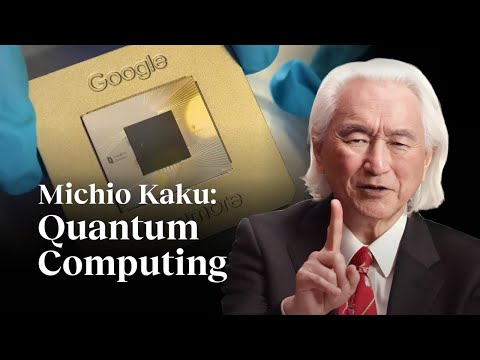
You know, I once tried to explain quantum computing to my grandma, and her eyes just glazed over. She thought I was talking about some fancy new bakery item or a sci-fi movie!
But really, quantum computing is like the superhero of the tech world. It’s got mad potential to solve problems that would take regular computers forever. And guess who’s been powering up this whole research scene? Yep, Nvidia!
They’re not just about those flashy graphics cards anymore. They’re diving deep into the quantum realm, teaming up with researchers and playing around with some seriously cool tech. So let’s take a look at how they’re pushing boundaries in this crazy field of quantum computing. Sound good?
The Role of NVIDIA in Advancing Quantum Computing: Insights into the Future of Science
Okay, so let’s chat about NVIDIA and how it’s stepping into the world of quantum computing. You might have heard of them as a big player in graphics processing units (GPUs), but they’re now pushing boundaries in quantum tech too. It’s like when a movie star surprises everyone by dropping an album! You follow me?
First off, what exactly is quantum computing? Well, think of classical computers like really fast librarians. They can sort through piles of books super quickly but still rely on traditional logic. Quantum computers, on the other hand, are more like magical librarians who can read all the books at once! They use qubits instead of regular bits, which allows them to perform multiple calculations simultaneously. This could totally revolutionize areas like cryptography and materials science.
Now, here’s where NVIDIA comes in. They’re not actually building quantum computers from scratch; instead, they’re developing frameworks and software that help researchers work with quantum algorithms more efficiently. For example:
- NVIDIA CUDA: This is their parallel computing platform that allows developers to use GPUs for general-purpose processing tasks.
- NVIDIA cuQuantum: This new software toolkit streamlines simulating quantum circuits on GPUs. It’s super handy for researchers testing their quantum algorithms before running them on real quantum hardware.
- Kubernetes with Quantum Computing Integration: By using container orchestration tools, NVIDIA helps manage large-scale simulations better, which is key when you’re working with such complex systems.
But wait—there’s more! They also host events and hackathons for scientists and developers interested in exploring quantum computing further. This kind of community-building can spark innovation in ways we can’t even predict yet!
You might be thinking: why does this matter? Well, consider this: as we face increasingly complex problems in fields like climate modeling or drug discovery, traditional computers might reach their limits pretty soon. Quantum computing promises a way out by solving these problems faster than ever before.
A little story here—once I chatted with a researcher who was testing new drugs using classical computers; it took him ages to run simulations. He said he dreamed about having a quantum computer just to cut down that time from months to days! That excitement? That’s the potential we’re talking about!
In summary, NVIDIA is really leading the charge by providing tools and frameworks crucial for advancing research in this groundbreaking field. While they aren’t creating the hardware directly, their contributions help scientists explore uncharted territories in quantum technology more easily.
So yeah, it looks like we’re on the brink of something amazing thanks to collaborations between companies like NVIDIA and the scientific community! How cool is that?
Leading Innovators in Quantum Computing Research: A Comprehensive Analysis of Current Pioneers in Science
Alright, so let’s chat about quantum computing and some of the big players stirring things up in that field. Quantum computing is like, this super advanced area where researchers are trying to build computers that can solve really complicated problems way faster than our regular computers. It’s all about using the unique properties of quantum mechanics, like superposition and entanglement. Sounds cool, huh?
Nvidia is one of those cool companies that you might have heard about when it comes to graphics cards, right? But they’re diving into quantum computing too! Their focus isn’t just on gaming; they’re seriously looking at ways to apply their technology in this new frontier. Basically, they’re developing platforms that help researchers simulate quantum algorithms and systems using powerful GPUs.
Let’s break down a few key innovators making waves in the space:
- IBM: They’ve been around forever in the tech world and are one of the first companies to really invest in quantum computing research. They even launched a program called IBM Quantum Experience where users can access their quantum processors online—pretty neat!
- D-Wave Systems: This company is known for their approach called quantum annealing which focuses on solving optimization problems. They’ve built specialized quantum hardware that has been used by various industries.
- Google: Yeah, you guessed it! They’re also in on this action with their project called Sycamore. They made headlines back in 2019 when they claimed to achieve “quantum supremacy,” meaning their computer solved a problem faster than any classical computer could.
- Microsoft: With their Azure Quantum platform, Microsoft is working on a comprehensive ecosystem for quantum development, including software tools and cloud-based services.
So Nvidia jumps into this mix as well with its cuQuantum toolkit which helps researchers simulate how qubits behave using GPU acceleration. Imagine needing to figure out how a very complicated lock works; Nvidia’s tools let you model that much faster than traditional methods would allow.
But let’s not forget about those academic pioneers too! Universities like MIT and Stanford are hotbeds for research with brilliant minds leading innovative projects all over the place. Their work often lays down foundational theories that others can build upon.
The truth is, as these companies compete and collaborate on advancements, we might be closer than we think to unlocking game-changing applications—from drug discovery to optimizing logistics routes for delivery trucks!
It’s exciting stuff! Even if you’re not a scientist yourself, keeping an eye on what these leaders are doing can show you where tech is headed next—which might just affect everything from your morning coffee routine to ground-breaking medical treatments down the road! So you see? The world of quantum computing isn’t just nerdy—it could literally change life as we know it!
NVIDIA’s Strategic Partnership in Quantum Computing: Advancing Scientific Innovation
So, let’s dig into this whole NVIDIA and quantum computing partnership thing. You might be wondering, what’s the deal with all of this? Well, quantum computing is like a supercharged version of regular computing. It’s all about using properties of quantum mechanics—those weird rules of physics that govern very tiny particles—to solve complex problems way faster than traditional computers could even dream of.
First off, here’s the scoop on NVIDIA’s ambitions. NVIDIA is known for its powerful graphics processing units (GPUs) that crunch massive amounts of data super quick. Now, they’re looking to leverage that tech to push boundaries in quantum computing. Imagine combining their sweet GPU tech with the mind-boggling power of qubits—those little quantum bits that can be 0, 1, or both at the same time! This partnership aims at creating more efficient ways to solve problems in fields like drug discovery or materials science.
Now let’s break down some key points you should know:
- Collaboration with Experts: NVIDIA isn’t going solo. They’ve teamed up with universities and research institutions. Like having a study group where everyone brings different skills to the table—that just makes sense, right?
- Software Development: One of their goals is to develop software tools tailored for quantum processing. Think of it as building a special toolbox for these new kinds of computers so they can work better.
- Training and Education: They’re not just focused on hardware and software; there’s also a big push towards training future scientists and engineers in quantum technologies.
This stuff isn’t just abstract theories either; there are practical applications popping up left and right! For example, if you’ve watched any sci-fi movies lately, you might have come across ideas like simulating whole molecules for new medicines—quantum computers could help with that way faster than regular computers ever could.
And speaking about real-life impact: let’s not forget how crucial this technology can be in climate modeling or optimization problems we face every day. Picture trying to manage traffic flow in a busy city or optimizing delivery routes—the kind of things that currently take ages could potentially be solved overnight with advances in quantum computing.
Looking ahead, there are definitely challenges to face too. Quantum computers are still pretty experimental at this stage—they’re like prototypes still being fine-tuned before hitting the market full force. But the partnership between NVIDIA and other leading entities shows serious promise for driving innovations forward.
So yeah, at its core, NVIDIA’s strategic moves into the realm of quantum computing are about blending cutting-edge hardware with revolutionary software solutions—all while empowering a new generation of thinkers who’ll tackle tomorrow’s biggest questions today. And if they nail it? Well then we might just ride into an era packed with technological marvels!
So, I was chatting with a friend the other day about the crazy world of tech, and somehow, we landed on quantum computing. It’s like this magical realm where physics and computer science collide. You know? Anyway, we started talking about Nvidia and how this company is making waves in that field.
Nvidia is usually associated with gaming graphics, but they’re stepping into the quantum space too. Their GPUs, which are those powerful chips that make your video games look awesome, are actually being used to simulate quantum systems. It’s pretty mind-blowing if you think about it! By speeding up calculations that involve qubits—those fancy little units of quantum info—they’re helping researchers explore complex problems way faster than traditional systems can.
And here’s where it gets really interesting: imagine you’re trying to predict the behavior of molecules for drug discovery or optimize logistics for delivery companies. Doing that with classical computers can take an eternity. But with Nvidia’s tools, these simulations become more feasible and quicker to run. So basically, they’re not just enhancing graphics; they’re helping push scientific boundaries.
I remember when I first read about quantum bits functioning simultaneously as 0s and 1s—it kind of blew my mind! I mean, how cool is it that something can exist in two states at once? The potential applications seem limitless: from renewable energy to new materials or even revolutionizing AI models.
But let’s not get ahead of ourselves. We’re still in early days here, and it’s a bumpy road ahead for quantum computing—like trying to ride a bike uphill in the rain! But with companies like Nvidia throwing their weight behind research and providing infrastructure to help along the way, well… who knows what breakthroughs might come next?
So yeah, while most folks think of Nvidia as just another chipmaker for gamers or designers, they’re playing in a much deeper pool than most realize. And honestly? That gives me hope. The line between what’s possible and impossible is constantly blurring thanks to innovations like this—and that’s pretty exciting if you ask me!