You know that moment when you’re eating lunch, and someone suddenly asks, “What’s the function of the spleen?” And you’re just like, wait, what? Seriously? You might not know off the top of your head. We all have those brain freezes.
But anatomy is kind of amazing! It’s not just about bones and muscles; it’s like a wild adventure through your own body. Imagine being able to learn about all this cool stuff without even leaving your couch.
That’s where online resources come in! They’ve taken anatomy education up a notch, letting you explore everything from your heart to that crazy little pinky toe. Seriously, there’s so much out there—interactive apps, virtual explorations—it’s like having a mini med school right in your pocket!
So let’s chat about some of these awesome tools and why they make learning anatomy feel less like studying and more like discovering a whole new world. How cool is that?
Explore Innovative Free Online Resources for Anatomy Education and Outreach in Science
So, if you’re looking to learn about anatomy without shelling out a ton of cash, there’s a wealth of free online resources just waiting for you! Seriously, the internet is brimming with cool tools and websites that make studying the human body way more engaging. Let’s dig into some of these gems.
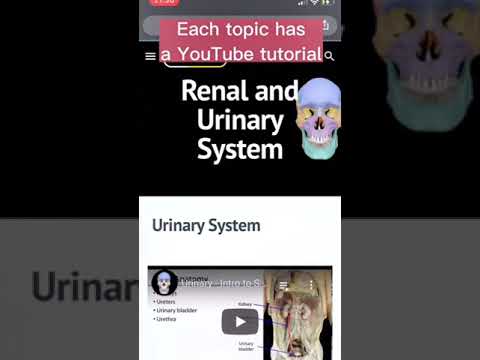
First off, you’ve got AnatomyZone. This site combines videos and illustrations to break down complex topics into bite-sized pieces. It’s like having a study buddy who explains things in a way that totally clicks for you. Plus, they cover everything from basic anatomical structures to more detailed stuff that can be super helpful for advanced learners.
- Visible Body: While they do offer a paid version, their free resources are fantastic! You can explore 3D models of human anatomy right on your screen. Imagine rotating bones or tracing veins with just a few clicks. It feels like you’re playing a video game instead of hitting the books.
- TeachMeAnatomy: This website serves as a comprehensive guide for anatomy learners at all levels. It breaks down complex terms into plain English—exactly what you want when you’re studying!
- Human Anatomy Atlas: Available on mobile devices too, this app provides 3D visuals and detailed descriptions of body parts. They sometimes offer limited-time free access. So keep an eye out!
- Khan Academy: Not strictly an anatomy resource, but they have awesome biology sections that cover the basics really well. Their interactive quizzes help reinforce what you’ve learned.
You may find platforms like YouTube surprisingly useful as well! Channels dedicated to anatomy education often feature professional educators or medical students explaining intricate concepts with visuals that make everything easier to grasp.
Oh! And don’t forget about community forums and social media groups focused on anatomy studies. These platforms allow you to engage with others who are learning too! It’s often motivating to share knowledge and ask questions together.
The best part? Most of these resources are accessible from anywhere as long as you’ve got an internet connection. So whether you’re sitting at home or chilling in a park, you can dive into anatomy whenever the mood strikes. Think about how cool it is to be able to learn in such diverse environments!
In short, take advantage of these free online tools available for learning anatomy. They can make your studying experience feel less daunting—and more enjoyable! Who knows? You might even find yourself fascinated by how your body works in ways you never expected.
Mastering Human Anatomy: A Comprehensive Guide for Science Enthusiasts
Sure, let’s take a look at mastering human anatomy, which can feel like an epic quest. Seriously, it’s like a treasure map full of fascinating organs, systems, and structures that work together to keep you alive. So, let’s get into it!
Understanding Human Anatomy is all about knowing how our body parts fit together and what they do. You’ve got muscles moving bones, organs working hard to keep everything in check, and systems like the nervous system sending signals faster than the speed of light—well, kind of! It’s amazing how intricate your body is.
To really dive deep into this world of flesh and blood, you need some solid resources. I mean, textbooks are great and all—but there are so many innovative online tools out there today. Here’s what to check out:
- Interactive 3D Models: Websites and apps now allow you to explore 3D models of the human body. You can rotate them, zoom in on specific organs, or even see the body’s internal workings in action. Imagine being able to peel back layers without surgery!
- Online Courses: Platforms like Coursera or edX offer anatomy courses from universities worldwide. You can learn at your own pace—how cool is that? Some even have quizzes to test your knowledge along the way.
- YouTube Videos: There are tons of channels dedicated to anatomy tutorials. Watching animations of how blood flows through the heart or understanding muscle movements visually can really help things stick in your brain.
- Anatomy Apps: There are apps specifically made for learning anatomy on-the-go. Best part? They often come with flashcards and quizzes that make memorizing fun!
Learning anatomy isn’t just about facts. It’s about stories too! Like when you hear tales about how the heart beats over **100,000 times** a day or how fantastic it is that your lungs can hold around **6 liters** of air. Each organ has its own story—almost like they’re characters in a dramatic play.
But don’t forget: learning effectively involves practice as well! You might want to get involved in study groups or online forums where you can discuss tough concepts with fellow enthusiasts—a bit like forming your own nerdy support squad!
Just remember though: everyone learns differently! What clicks for one person may not for another, so mix things up until you find your groove!
In short, mastering human anatomy isn’t just fascinating—it gives you a deeper appreciation for what it means to be human and how every part plays its role perfectly together (most of the time!). So get ready; grab those online resources and embark on this amazing journey through yourself!
Exploring the Intricacies of Anatomy Learning in the Field of Science: Techniques and Resources
So, anatomy learning can feel like a huge mountain to climb, right? There’s just so much to cover! But the cool thing is that we live in a time when innovative resources are popping up left and right. Let’s break down some techniques and tools that make learning anatomy not just easier, but also way more engaging.
First off, the classics still hold their ground. Textbooks are great for foundational knowledge. But hey, they can be a bit dry! That’s where online resources join the party. Seriously, exploring interactive websites can breathe new life into those old school methods.
Visual Learning: One of the best ways to tackle anatomy is through visuals. You know how seeing a picture is often way better than reading about it? Websites like **Visible Body** or **AnatomyZone** take 3D models and let you rotate them at will. It’s like holding your own virtual cadaver—and telling you what each part is doing!
When you’re diving into something as complex as human anatomy, **video tutorials** are golden! Platforms like YouTube have channels just dedicated to breaking down tricky concepts or showing you how body systems work together. It’s almost like having your own personal tutor on speed dial.
Interactive Apps: Mobile apps are totally game changers. Want to learn about muscles while you’re sitting in a café? There’s an app for that! Apps like **Complete Anatomy** provide interactive 3D models right on your phone or tablet, making studying flexible and fun.
Now let’s talk about something even more exciting: **virtual reality (VR)**! Believe it or not, VR has made its way into anatomy education too. Imagine putting on those funky goggles and walking through a virtual operating room or interacting with body systems in real-time… Sounds pretty amazing, huh?
Peer Learning: Connecting with others can amp up your study sessions. Joining online forums or study groups where you can discuss concepts really helps solidify what you’ve learned. Websites like **Reddit** have dedicated threads where learners share tips and resources.
But wait—don’t forget about simulations. They mimic real-life situations so well they help prepare future healthcare professionals for what they’ll encounter in practice.
Another thing worth mentioning is anatomy outreach programs. Schools and community centers sometimes hold workshops that make learning anatomy accessible for everyone—teaching kids basic concepts and keeping the curiosity alive!
Alright, now all this tech stuff is awesome, but don’t underestimate good old-fashioned practice! Dissection labs are still crucial if you’re into hands-on learning; nothing beats working with real specimens under supervision.
In summary, whether it’s through 3D modeling websites or interactive apps on your phone, there are endless possibilities out there to enrich your understanding of anatomy—or help pass an exam if that’s your jam! With so many tools at our fingertips today, it feels less daunting than ever before to become an expert in this fascinating field of science!
You know, anatomy is one of those subjects that can feel a bit overwhelming at first. I remember my first anatomy class—like, wow! So many names, so many systems. I could barely wrap my head around the difference between the femur and the tibia. Crazy!
But now, with all these innovative online resources popping up, learning about anatomy has become way more accessible and engaging. It’s like having a virtual lab in your living room! Seriously, you can study muscles and bones without ever stepping foot into a classroom or cutting up a cadaver.
Take apps that let you rotate 3D models of the human body—it’s honestly like playing a video game but with a purpose. You can see how everything fits together in real-time! Not to mention quizzes and interactive flashcards that make memorizing those tricky terms feel less daunting. It’s not just about rote memorization anymore; it’s really about understanding how our bodies work.
And then there are platforms where teachers share their lectures or even cool demonstrations, which can be super helpful for visual learners like me. You can rewatch videos until everything clicks. I can’t tell you how many times I’ve paused videos just to absorb what they’re saying.
What really strikes me is how social media has become this powerful tool for outreach too. Instagram accounts dedicated to anatomy often share bite-sized facts or stunning visuals that spark curiosity in ways textbooks never could. I mean, scrolling through colorful illustrations of the human brain will definitely catch your eye more than a plain old diagram!
Of course, while these resources are super handy, they also remind us to balance digital learning with hands-on experiences when possible. Nothing beats feeling the actual structures on yourself or using models in a lab setting! But hey, these online tools make it so much easier to bridge that gap.
I guess what I’m saying is that embracing these innovative approaches can transform how we view anatomy education—making it not just informative but really fun too! Learning doesn’t have to be boring; it should ignite curiosity and passion—just like when I first learned about how muscles contract (still mind-blowing!). And who knows? Maybe one day you’ll find yourself teaching others with all this knowledge you’ve gathered!