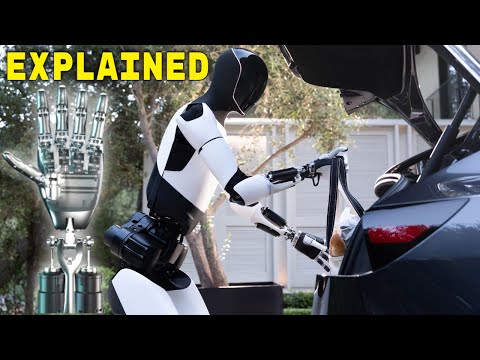
So, the other day, I was scrolling through my feed and came across this video of a robot doing a backflip. Seriously! A backflip! I couldn’t help but laugh out loud. I mean, just a few years ago, the most impressive thing robots could do was pick up boxes in a warehouse.
Now we’ve got humanoid robots like Optimus that are almost ready to hit the dance floor! Can you believe it? But what’s wild is how fast this tech is evolving.
These machines are not just clunky metal things anymore. They’re becoming smarter and more agile, almost like they’re training for the Olympics! Imagine having a robot buddy who can help you with chores or even play video games with you. How cool would that be?
So let’s chat about what’s been going on in this amazing world of humanoid robot technology. Buckle up!
Assessing the Advancement of Optimus Robots: A Scientific Exploration
Hey, let’s talk about the advancements in Optimus robots! Seriously, it’s wild how far humanoid robots have come, right? You’ve probably heard about the buzz surrounding the Optimus robot from Tesla. Well, to break it down for you: these things are pretty much like a sci-fi movie come to life. But what exactly is going on with this technology?
So, first off, these robots are designed to perform tasks that humans usually do. Imagine your friendly helper at home or in a factory! They’re being developed to have a more human-like form so they can navigate spaces made for us. Think of it like trying to fit a square peg in a round hole; if they don’t look and move like us, they might just struggle!
Now, let’s break down some key advancements:
- Mobility: Optimus robots have improved joint mechanics. This means they’re getting pretty good at walking and balancing, which is awesome because falling over isn’t exactly helpful!
- Interaction: These bots are being equipped with AI systems that help them understand commands and respond accordingly. It’s like teaching them to listen and react—pretty cool right?
- Sensing Environment: New sensors allow them to perceive their surroundings better. They can avoid obstacles and even recognize objects! This helps them not bump into stuff while doing chores.
- Task Efficiency: They’re learning how to perform specific tasks faster and more accurately than before. You could say they’ve been hitting the gym for task training!
You know what’s fascinating? The stories behind these tech leaps often come from real moments of trial and error. Like there was this time when engineers realized that making joints flexible made all the difference in how well the robot could move! It’s kind of heartwarming—like seeing your friend finally figure out how to ride a bike after a few falls.
The collaboration between AI and robotics is becoming tighter every day. Developers are focusing on creating smarter algorithms that enhance understanding of complex environments as well as human behavior patterns. That means better adaptability in various scenarios.
However, you also gotta acknowledge the ethical part of this whole thing. As we make these robots smarter and more capable, we should ask ourselves questions about their role in society. Are we ready for machines handling tasks traditionally done by humans? What happens if they make mistakes?
But let’s not overlook the excitement here! The potential for Optimus robots spans various fields—from healthcare assistance in elderly care to automating tedious manufacturing processes. They might soon become sidekicks we didn’t even know we needed!
In wrapping this up, it’s clear that assessing advancements in Optimus robots isn’t just about tech—it’s also about understanding what it means for all of us moving forward. So keep your eyes peeled! Who knows what cool stuff is coming next?
Exploring the Primary Purpose of Tesla’s Optimus Robot and Its Impact on Various Industries in Science
The Optimus Robot by Tesla is making waves, and it’s not just because it’s another high-tech gadget. The main purpose of this humanoid robot, also known as a bipedal robot, is to perform tasks that are either dangerous, repetitive, or require significant physical strength. Basically, it aims to take over jobs that you wouldn’t necessarily want to do yourself.
You know how we often talk about robots in factories? Well, that’s just scratching the surface. These robots could help in various industries like manufacturing, healthcare, and even agriculture. Imagine an Optimus robot assembling cars on an assembly line! It can work tirelessly without breaks and won’t complain about monotonous tasks. That’s a game-changer for efficiency.
In healthcare, think about the potential here. These robots could assist nurses by delivering medicine or supplies across busy hospitals. Picture a nurse running around trying to find equipment while the Optimus calmly transports everything needed right to them. This could make their job smoother, allowing them to focus more on patients rather than hunting down resources.
And what about agriculture? You’ve heard of farm robots that pick crops or monitor fields with sensors, right? The Optimus could expand those capabilities. Imagine managing vast fields with one robot coordinating various tasks like planting seeds or even checking the health of plants. It’s like having a dedicated farm hand that works round the clock!
A critical factor here is adaptability. The Optimus has AI capabilities that allow it to learn from its environment and improve over time. This means it can potentially handle different tasks across different settings without needing a complete overhaul of its programming.
However, there are challenges too—not everything about placing these humanoid robots into our lives is simple-peasy. For one thing, there are ethical considerations regarding job displacement. If these robots start taking over jobs traditionally done by humans, what happens to those workers? It’s like trading off efficiency for humanity in some ways.
Then there’s safety! It’s essential for systems like this to be safe around people since they will share spaces with human workers everywhere they go—just like how you’d want a car not to crash into you while driving!
In summary: yes, Tesla’s Optimus Robot has some impressive goals of boosting productivity and assisting in various industries from manufacturing all the way through healthcare and farming—while promising adaptability through advanced AI learning. But we also need to keep an eye on the impact it’s going to have on employment and safety issues as we push forward into this robotic age.
So all in all? An exciting future awaits us with these developments but let’s make sure we’re stepping carefully along the way!
Exploring the Latest Advancements in Tesla’s Optimus Humanoid Robot Technology: A Scientific Perspective
Sure! Let’s chat about Tesla’s Optimus Humanoid Robot Technology, but you know, in a way that feels a bit more like a conversation than a lecture. So, here we go!
When we talk about Optimus, we’re diving into some really cutting-edge robotics. This isn’t just any regular robot; it’s designed to assist humans in daily tasks. Imagine having someone—or something—that could handle the boring stuff while you focus on what you love. Pretty cool, huh?
What makes Optimus special? Well, it’s all about its autonomy. Basically, this robot can learn from its environment and make decisions. Think of it as training a puppy; the more experiences it has, the smarter it gets! The goal is for Optimus to navigate complex spaces and perform tasks without constant human supervision.
- Mobility: One of the most exciting advancements is how well these robots move. They’re designed to walk naturally and even have the ability to climb stairs! Picture this: instead of clunky motions, Optimus glides smoothly around your house.
- Sensors: It’s packin’ an array of sensors that help it understand its surroundings. Cameras and microphones work together to gather information so that it can react appropriately—like avoiding obstacles or recognizing voices.
- AI Integration: The heart of this bot is its artificial intelligence. It uses machine learning algorithms to improve over time. This means the more time it spends with you, the better it’ll get at understanding your preferences—like knowing when your coffee needs refilling.
I remember watching a video where they showcased Optimus picking up boxes and navigating through a cluttered room without bumping into anything! It was kind of like watching a toddler learn how to walk but way smoother. That adaptability is key for real-world applications.
Of course, there are challenges ahead. While Tesla is making strides with its robots, there are still hurdles regarding safety. Ensuring these humanoid robots can operate near humans without causing harm is crucial—nobody wants their helpful robot turning into an accidental body slam during lunch prep!
Another aspect to peek at is sustainability. Creating machines that don’t just assist but also do so in an eco-friendly manner is becoming increasingly important. Tesla has been pushing for renewable energy in their vehicles; will they extend this philosophy to their robots too? That could be game-changing!
So yeah, as we explore the latest advancements in Tesla’s Optimus technology, it’s obvious there’s potential beyond our imagination right now. Future households could look quite different with these friendly helpers around.
In short, these humanoid robots are not just tools; they’re stepping stones toward a future where technology complements our lives like never before. Exciting times ahead!
You know, when I first heard about the advancements in humanoid robots, I couldn’t help but get a little emotional. Like, can you imagine how far we’ve come? Remember those old sci-fi movies where robots were either super goofy or kind of creepy? Well, now we’re actually talking about robots that look and move just like us. It’s not just science fiction anymore; it’s happening right now!
Take the Optimus Humanoid Robot, for example. These machines are designed to help with tasks that are often mundane or even dangerous for humans. The thing is, they can lift heavy stuff, navigate tricky spaces, and even learn from their surroundings. Like when a toddler figures out how to walk—you know it takes time and a bunch of faceplants! But once they get it down, they can run around like champs.
What blows my mind is the potential for these robots to assist in industries like healthcare or construction. Imagine an Optimus helping lift patients or delivering supplies in hospitals. That could seriously change lives! Or think about construction sites where they take on some of the heavy lifting—literally! Less strain on workers means fewer injuries.
But here’s where it gets a little tricky, right? There’s always this underlying anxiety about what it means when machines become more human-like. It raises so many questions about jobs and our relationships with technology. It’s not just about making our lives easier; we have to grapple with ethical dilemmas too.
I remember chatting with some friends about this over coffee one day—like a heated roundtable debate! One friend was all for it, thinking robots could save the world from drudgery while another was worried we’d end up relying too much on them—or worse, losing jobs to them. It made me realize that while these advances are cool and promising; they’re also something we need to handle carefully.
So yeah, in this quest toward creating these humanoid robots like Optimus, we’re embarking on something pretty groundbreaking but maybe also nerve-wracking at the same time. It’s exciting but makes you stop and think: how do we want to shape our future together with technology? Because that’s really what it’s all about—finding that balance between innovation and humanity in an ever-evolving world.