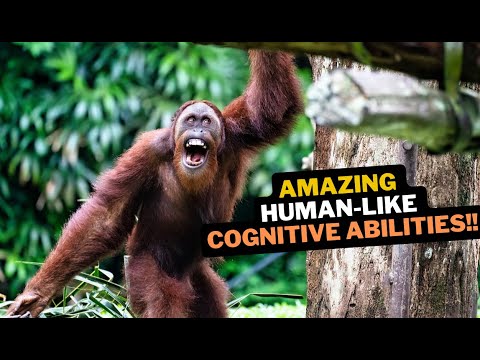
So, picture this: you’re chilling in a rainforest, and suddenly, an orangutan swings by like it’s the coolest thing in the world. Seriously, these guys are nature’s acrobats!
But wait, there’s more to them than just their crazy tree-climbing skills. They’ve got some of the most fascinating behaviors that’ll make you go, “Wow, these hairy dudes are smarter than I thought!”
You might be wondering how we even know this stuff. Well, scientists have been putting in some serious work to observe them up close and personal. And believe me, it’s not just about facts and figures; there’s a whole world of emotions and social life happening in the treetops.
So grab a cup of coffee or tea or whatever you fancy. Let’s chat about what makes orangutans tick and why spreading the word about them is super important!
Scientific Approaches and Innovations in Orangutan Conservation Efforts
So, let’s chat about orangutans and how science is stepping up to save these incredible creatures. Seriously, they’re facing some major challenges, but scientists are using some cool approaches and innovations to make a difference.
First off, you might not know this, but orangutans are super intelligent. They can use tools and have complex social structures. Understanding their behavior is key to conservation efforts. Researchers spend hours observing them in the wild to get insights into their habits and needs. This kind of detailed observation helps us know how to create better habitats for them.
One major approach in conservation is called “habitat protection.” Basically, it means making sure that the areas where orangutans live are safe from deforestation and human encroachment. Scientists work with local governments to create protected zones where these gentle giants can thrive without constant threats.
But protecting habitats isn’t enough on its own. That’s where technology comes in! For example, camera traps are used extensively in forests where orangutans live. These devices take photos of wildlife when they sense movement, which lets researchers track population numbers without disturbing the animals too much. Plus, it’s like having a peek into their private lives! Imagine catching an orangutan swinging through trees on camera! How cool is that?
Another innovative approach involves collaborative efforts with local communities. Scientists recognize that locals play a huge role in conservation work. Sometimes people unknowingly harm habitats simply because they don’t realize the impact of their actions. Educating communities about the importance of orangutans can lead to powerful changes. When locals see value in preserving these animals—like through eco-tourism—they become motivated stewards of the forest.
And speaking of education, outreach efforts have taken off like never before! Social media campaigns engage people around the globe to help raise awareness about orangutan conservation issues. You’ll see everything from stunning photos to emotional stories that tug at your heartstrings! This not only informs but also inspires people—especially the younger generation—to take action.
Moreover, science communication workshops might be organized for local schools where kids learn about orangutans through interactive activities and games. Getting future generations involved early makes a world of difference!
Of course, one of the most powerful tools we’ve got is genetic research. Scientists study DNA from wild populations to help understand things like genetic diversity and health issues within the species. This information can guide breeding programs in captivity that aim to maintain genetic diversity—super vital for long-term survival!
So yeah, there’s a lot happening on multiple fronts when it comes to saving our orangutan friends out there in Borneo and Sumatra! It’s exciting stuff driven by passion and necessity—because if we want future generations to experience these amazing creatures, we gotta act now, right?
In summary: understanding behavior goes hand-in-hand with practical science approaches; tech helps monitor populations; collaboration with communities builds support; education sparks passion; and cutting-edge research keeps our strategies sharp! It’s all connected—and together it creates a brighter path forward for our beloved orangutans!
Exploring Behavioral Adaptations of Orangutans: Insights from Ethology and Ecology
Orangutans are such fascinating creatures, right? They’re not just adorable; they’ve got some seriously cool behavioral adaptations that help them survive in the jungles of Borneo and Sumatra. Let’s take a closer look at how they roll, combining insights from ethology—the study of animal behavior—and ecology, which is all about how they interact with their environment.
First off, orangutans are known for their impressive **brachiation skills**. You know how kids swing on monkey bars? Well, orangutans take that to a whole new level! Their long arms and flexible limbs make them excellent climbers, allowing them to move gracefully among the treetops in search of fruit. This is super important because being high in the canopy helps them avoid predators, like leopards and snakes.
Another great adaptation is their **foraging behavior**. Orangutans are omnivores. They munch on fruit, leaves, insects—you name it! But what’s really interesting is that they can adjust their diet based on what’s available seasonally. For example, during fruiting seasons when durians or figs are ripe, you might find them feasting with gusto. In leaner times, they’ll switch to eating more leaves or bark. Isn’t it cool how they adapt their eating habits?
And speaking of being adaptable, let’s chat about their **tool use**. Yeah! These guys are like little forest engineers! They’ve been observed using sticks to poke into crevices to extract insects or even fashioning leafy gloves to handle prickly fruits without getting hurt. Imagine sitting back and watching one figure out how to handle a thorny rambutan—that’s problem-solving in action!
Now let’s not forget about **social behavior**. Orangutans can be pretty solitary compared to other primates like chimpanzees. But they do have social interactions—mostly between mothers and their young ones—where communication through vocalizations plays a big role in bonding and teaching young ones essential survival skills.
Then there’s the whole aspect of **ecological impact**. These incredible animals play a role as seed dispersers in their habitat! When they eat fruit and wander around, well… you guessed it! They help plants grow by dispersing seeds through their droppings. It’s like nature’s little recycling system; everything’s connected!
Understanding these behaviors can also guide conservation efforts. Since orangutans face threats from habitat destruction due to logging and palm oil plantations—awareness about how these adaptations contribute to survival sparks conversations about protecting their homes.
So yeah, orangutan behavior isn’t just a cool topic; it also teaches us about resilience and adaptability in nature. Plus, by sharing this knowledge broadly through scientific outreach programs we create stronger advocates for conservation efforts—you follow me? By learning from these creatures’ lifestyles we can work towards ensuring that future generations get the chance to see these amazing animals thrive in the wild!
Exploring Orangutan Intelligence: Key Behaviors that Demonstrate Cognitive Abilities in Primatology
Orangutans are seriously fascinating creatures. They’re not just adorable with their fuzzy hair and big eyes; they show some pretty impressive smarts too! Cognitive abilities in orangutans have become a hot topic in primatology, mainly because they showcase behaviors that hint at complex thinking. So, let’s dig into some key behaviors that really highlight their intelligence.
Tool Use
One of the standout traits of orangutans is their ability to use tools. Like, they’ve been spotted using sticks to extract insects or honey from tree bark. This isn’t just random behavior; it requires knowledge of cause and effect. They know what works and what doesn’t! It’s like if you have a favorite tool for fixing things around the house—you don’t just grab anything, right? You choose what gets the job done.
Problem Solving
Ever seen an orangutan solve problems? It’s a sight to behold! Researchers have set up puzzles for them that require multiple steps to complete. For instance, a study showed an orangutan figuring out how to stack objects in order to reach food hung out of reach. It’s not just brute strength; it’s about planning and strategizing. Imagine being faced with a tricky puzzle and taking a moment to think through the options before jumping in!
Social Learning
Orangutans also learn from each other—this is called social learning. When one orange-furry friend figures something out, like opening a tough fruit, others watch and imitate. It shows they can observe and retain information without having to go through the trial and error themselves! Just picture kids in school: if someone knows the answer, others are likely gonna pay attention.
Memory Skills
Their memory skills are another area worth mentioning. Studies suggest orangutans can remember past experiences and use them to inform their future decisions. For example, if an orangutan has previously found food in one spot but has also been unsuccessful there before, it will probably avoid that area next time around! Seriously cool stuff—it’s like having your own internal GPS system guiding you through the jungle.
Cultural Transmission
Oh, and get this: some researchers believe that different groups of orangutans may develop unique behaviors or “cultures.” This means that certain groups might have specific ways of using tools or finding food that others don’t do at all! That’s like how different neighborhoods might have different favorite pizza toppings—just part of their identity.
Thinking about these traits makes you appreciate how complex these animals really are. It reminds me of watching documentaries where these incredible creatures use sticks as tools while navigating gigantic trees—it’s both mesmerizing and heartwarming.
So yeah, exploring orangutan intelligence showcases not just individual brilliance but also hints at something deeper—their ability to connect with each other socially, learn from one another, and adapt their strategies for survival in changing environments. Who knew those fuzzy beings could be such bright stars when it comes to cognitive abilities?
You know, orangutans are just such incredible creatures. When I think about them swinging through the trees, it brings a smile to my face. They’re not just cute and fuzzy; they have these complex behaviors that really show how intelligent they are. It’s wild to me how they can use tools, like fashioning sticks to extract ants from tree trunks! It’s like watching a mini scientist at work in the jungle.
But the thing is, orangutans face serious challenges in their natural habitats. Deforestation and illegal pet trade put them at risk every single day. I remember reading about a sanctuary that rescues orphaned orangutans and teaches them survival skills—like how to navigate a canopy and find food. Those stories always hit me hard; it’s heartbreaking yet inspiring how humans can step up for them.
Now, let’s talk about scientific outreach efforts. There’s so much happening out there! Programs are trying to educate people about the importance of preserving orangutan habitats. Imagine school kids learning through interactive workshops or virtual reality experiences that let them “visit” the rainforest alongside these amazing animals. It’s all about bridging the gap between science and everyday life, you know?
When you see this kind of engagement growing, it fills you with hope. The more we understand orangutans’ behaviors—like their social structures or communication methods—the better chance we have at helping protect them. Plus, reaching out to diverse communities can amplify those voices that advocate for conservation.
So yeah, supporting orangutan research and outreach doesn’t just help these primates; it also reminds us of our connection to nature as a whole—kind of beautiful when you think about it! Let’s keep those conversations going and advocate for these gentle giants because every little effort counts. You’re with me on this, right?