You know that feeling when you eat a huge slice of cake and then crash on the couch? It’s like your body just pressed pause on the party. Well, what if I told you there’s this gene called PAH that plays a big role in how we process stuff like that?
Yeah, it sounds a bit nerdy, but stick with me! This little guy can seriously affect our metabolism. It’s like the backstage crew at a concert—totally essential but never gets the spotlight.
So, let’s break it down together! The PAH gene has some cool tricks up its sleeve when it comes to breaking down amino acids. And honestly, it can impact way more than just how much cake you can chow down before falling asleep.
Exploring PAH Gene Function: Implications in Genetic Disorders and Metabolic Pathways
Alright, so let’s chat about the PAH gene. It stands for **phenylalanine hydroxylase**. This gene is super important because it plays a crucial role in how our bodies process amino acids, specifically phenylalanine.
Phenylalanine is an amino acid found in many protein-rich foods like meat, fish, eggs, dairy products, and some nuts. Your body needs it but only in small amounts. The PAH gene produces an enzyme that helps convert phenylalanine into another amino acid called tyrosine. And this isn’t just some random conversion—tyrosine is essential for making neurotransmitters like dopamine and hormones.
But here’s the twist: if there’s a mutation in the PAH gene, our bodies can’t break down phenylalanine properly. This condition is known as **phenylketonuria (PKU)**, which can lead to serious health issues if not managed correctly. Like seriously—high levels of phenylalanine can cause neurological damage and developmental delays.
So what does this mean for metabolism? Well, when the PAH enzyme isn’t working right because of *gene mutations*, it throws off the whole balance of amino acids in your system. It’s like trying to cook a recipe without one of the key ingredients! You end up with something that just doesn’t taste right.
Now let’s break down some implications of this:
- Genetic Disorders: PKU is one of those classic examples where a simple mutation leads to considerable health challenges.
- Dietary Management: People diagnosed with PKU often need to follow strict diets low in phenylalanine to avoid complications.
- Research Implications: Understanding the PAH gene can help researchers develop new treatments for metabolic disorders.
And speaking of research—there are ongoing studies looking into how we might repair or replace faulty genes over time using techniques like CRISPR/Cas9. Imagine being able to fix your genes as easily as changing a tire!
It’s pretty heartwarming to think about how knowledge about genes like PAH can change lives—like improving therapies or helping families navigate these complex conditions better. You know someone who has had to deal with dietary restrictions because of PKU? It’s a life-altering situation that requires constant attention and planning.
In summary, exploring the **PAH gene** reveals significant insights into how our bodies metabolize nutrients and manage health complications when things go awry. It’s wild how much power lies within those tiny bits of DNA! So yeah, science really has its work cut out for it in understanding all these intricate metabolic pathways and their impact on human health!
Understanding PAH Gene Mutation: Implications for Genetic Disorders and Therapeutic Advances in Science
So, let’s talk about the PAH gene mutation—this is a big deal in the world of genetics. The **PAH** gene stands for **phenylalanine hydroxylase**. It’s like the blueprint for an enzyme that helps break down an amino acid called **phenylalanine**. This amino acid is found in many protein-rich foods. When everything’s working right, your body converts phenylalanine into another amino acid, tyrosine. But what if things go sideways?
When there’s a mutation in the PAH gene, it can lead to a condition called **phenylketonuria (PKU)**. This means your body can’t process phenylalanine properly, which can cause a whole slew of problems if you don’t manage your diet. Essentially, phenylalanine builds up and becomes toxic to the brain, leading to cognitive issues and developmental delays over time.
Here are some key points about how this all connects:
- Types of Mutations: There are different types of mutations in the PAH gene. Some might prevent the production of the enzyme altogether, while others might just reduce its activity.
- Impact on Health: High levels of phenylalanine can lead to intellectual disabilities and other neurological issues if not managed early on.
- Genetic Testing: Nowadays, genetic testing can identify PAH mutations before symptoms even show up. This is super useful for early intervention.
Imagine finding out that you’re at risk or that your child might be at risk for PKU just through a simple blood test! Early detection allows families to make dietary adjustments before serious health issues manifest.
Now let’s get into treatments because this is where things get really interesting! Traditionally, the main treatment has been a special diet low in protein and phenylalanine. Think about it: it’s like playing food dodgeball—avoiding high-protein foods like meat and dairy while munching on fruits and veggies instead.
But here’s where science steps up its game: researchers are exploring new therapies too!
- Enzyme Replacement Therapy: This involves providing a functional version of the enzyme that people with PKU lack.
- Gene Therapy: Scientists are looking into fixing or replacing defective genes directly within cells! Imagine being able to correct the problem at its source!
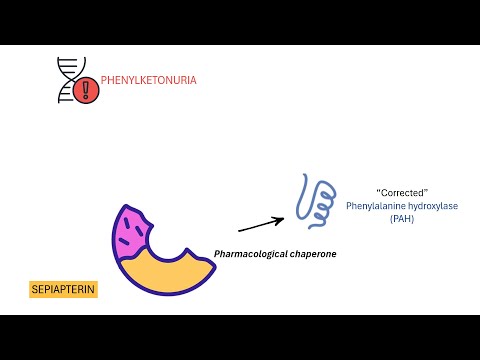
And it doesn’t stop there; researchers are also diving into pharmacological treatments aimed at managing PKU without completely limiting dietary intake.
So yeah, understanding PAH gene mutations opens up avenues not only for diagnosing genetic disorders but also for developing cutting-edge therapies—it’s like watching science fiction become reality!
In summary, understanding these mutations isn’t just academic; it has real-world implications for health management and future therapeutic advancements in genetics. It makes you think about how much we still have to learn—and how far we’ve already come!
Understanding the Pah Gene: Full Form and Its Significance in Genetic Science
Alright, let’s chat about the PAH gene. So, what is it exactly? Well, PAH stands for Phenylalanine Hydroxylase. It’s a gene that provides instructions for making an enzyme that helps break down an amino acid called phenylalanine. You might be thinking, “Why should I care about some enzyme?” Well, this little guy plays a huge role in your metabolism.
Phenylalanine is found in many protein-rich foods like meat, fish, eggs—even nuts! Our bodies need it to produce important molecules. But too much phenylalanine can be harmful. If you’ve ever heard of a condition called phenylketonuria (PKU), that’s where the PAH gene comes into play. Individuals with PKU have a mutation in the PAH gene which stops them from processing phenylalanine properly.
If this doesn’t get managed well, high levels of phenylalanine can build up and potentially lead to serious health issues like intellectual disability and other neurological problems. Imagine trying to learn something new but your brain feels fuzzy! Not ideal, right?
So how does this all connect to genetic science? Understanding the PAH gene helps scientists find ways to diagnose and treat conditions like PKU. For instance:
- Early detection through newborn screening programs can catch this condition before symptoms appear.
- Treatment often involves a low-phenylalanine diet and sometimes special formulas to ensure proper nutrition.
- Research into gene therapy is ongoing, offering hope for future treatments that might fix or replace the faulty PAH gene.
The significance of understanding the PAH gene goes beyond just treating PKU; it’s also about how our bodies metabolize amino acids overall. When we learn more about genes like PAH, we gain insights into metabolic processes that affect countless other conditions as well.
If you think about it this way: every little piece of genetic information is a part of a bigger puzzle that keeps our bodies functioning correctly. The PAH gene is just one of those pieces—but boy, does it have an impact!
So, let’s chat about this gene called Pah. It kinda flies under the radar in the world of science, but its role in metabolism is actually pretty fascinating. You know, when you think of genes, you might picture something super complicated, like a high-tech machine. But honestly, these little sequences are the simple instructions behind so many things that keep our bodies running smoothly.
The Pah gene codes for an enzyme named phenylalanine hydroxylase. Now, don’t let that long name scare you off! This enzyme helps to break down an amino acid called phenylalanine. If you’ve ever heard of that strict diet some people follow because they can’t eat too much protein or certain foods, that’s where Pah comes into play. Basically, if this gene is not working properly—like if it has mutations—phenylalanine builds up to toxic levels in the body. And trust me, that’s no good; it can lead to some serious health issues.
I remember a friend from school who had to be super careful about what she ate because of this condition called phenylketonuria (PKU). Watching her avoid certain foods like dairy and nutty snacks made me realize how important the Pah gene really is. It’s not just some random piece of DNA; it affects real lives.
Now, metabolically speaking, the breakdown of phenylalanine isn’t just about avoiding those nasty health outcomes. It also ties into how our bodies process proteins and get energy—everything’s connected! When everything works as it should, it feels like a well-oiled machine.
But if there’s a glitch in your software—like a mutation in the Pah gene—it can throw off your whole metabolic system. This whole chain reaction reminds me how delicate and perfectly balanced human biology is. Each little part has its role… almost like a team sport where every player matters.
So looking at all this makes you think about how much we rely on these tiny bits of genetic code for big things like our overall health and well-being. It’s kind of beautiful in its own messy way! So yeah, the insights into Pah show us just how intricate and interdependent our metabolic processes can be—and why those little genes matter so much more than we might typically consider.