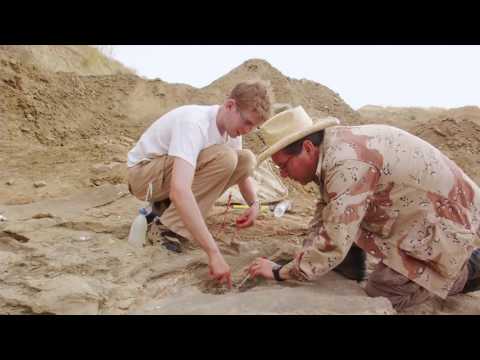
So, picture this: You’re at a party, and someone starts talking about dinosaurs. Suddenly, you’re all ears. You lean in, eager for tales of T-Rex teeth and ancient fossils, feeling that spark of curiosity. Paleontology is just cool like that!
Now, what if I told you that those epic conversations could go beyond just chatting by the snack table? Seriously! There’s this entire world of paleontology journals out there. And diving into them can totally amp up your knowledge game while connecting with all sorts of amazing people.
It’s like discovering a treasure chest filled with stories waiting to be told. Imagine reaching out and sharing those dinosaur tales you’ve learned; it could make science feel a bit more alive! So grab a snack, and let’s get into how engaging with those journals can change your own scientific outreach journey. Trust me; it’s going to be fun!
Top Paleontology Journals for Effective Scientific Outreach and Engagement
Alright, let’s talk about paleontology journals and how they can really connect science with the public. You know, these publications aren’t just for researchers in lab coats; they’re gateways to the fascinating world of ancient life! So, like, what are some top journals you could check out?
- Paleobiology: This one’s a big deal. It publishes a ton of original research focused on the evolutionary history of life on Earth. The cool thing is that it often features studies combining various scientific fields like ecology and geology. That means you get a broader view of how ancient ecosystems functioned.
- The Journal of Paleontology: It’s been around since 1927, which is like forever in the publishing world! This journal offers peer-reviewed articles that cover all sorts of topics in paleontological research. Seriously, it’s where some groundbreaking discoveries get shared.
- Earth and Planetary Science Letters: Although it’s broader than just paleontology, it includes important studies related to Earth’s history and climate change. Understanding how these factors influenced life millions of years ago can really help you appreciate our planet’s past—pretty neat, huh?
- Palaeogeography, Palaeoclimatology, Palaeoecology: Try saying that three times fast! This journal dives into the relationships between geological and biological changes through time. Articles here often delve into climate influences on species evolution, making it super valuable for understanding past habitats.
- Historical Biology: If you’re curious about how ancient organisms relate to modern ones, this journal caters to that interest specifically. It focuses on evolutionary biology over geological time scales and provides insights into how life has adapted throughout Earth’s history.
Now, these journals are essential not just for scientists but also for engaging with non-experts who want to learn more about dinosaurs or prehistoric ecosystems. Connecting with this type of research can spark curiosity in anyone! So think about how outreach might look: organizing community events where people can discuss recent findings or even setting up blogs summarizing exciting articles for your friends.
In my own experience attending workshops led by paleontologists who published in these journals, I was blown away by their passion for sharing knowledge. One guy brought real fossils; it was like touching history! The way he explained things made complex ideas so relatable—like when he compared a dinosaur’s diet to our own eating habits today!
If you’re looking to engage with paleontology beyond reading articles? You might consider following discussions on social media platforms too; it’s all about spreading awareness in fun ways! And remember: science doesn’t have to be dull—it can be as thrilling as uncovering a hidden fossil!
Enhancing Scientific Outreach: Engaging with Paleontology Journals – A Comprehensive Guide (PDF)
You know, diving into paleontology is like jumping into a time machine. You’re wandering among the giants of the past, right? But engaging with paleontology journals can sometimes feel like trying to read a really complicated recipe. So let’s break it down.
First off, why are journals so important in paleontology? Well, they communicate new discoveries and ideas within the field. When researchers publish their findings, they’re sharing their adventures in understanding ancient life. Journals are sort of like the campfire stories for scientists; everyone gathers around to learn what’s been uncovered!
Now, let’s talk about how you can enhance your outreach through these journals. Being active in discussions is a killer way to get involved. When papers get published, there’s often a discussion section or follow-up articles. You could join in by sharing your thoughts or even posing questions. Imagine being part of that conversation!
Another cool tip is to write letters to the editor. If something strikes you about a paper—maybe you thought it was super interesting or maybe even a bit off—let the journal know! These letters can spark valuable dialogues and sometimes even lead to more published work.
Don’t forget about social media! Journals now often share snippets of studies on platforms like Twitter or Instagram. You can engage by retweeting them or sharing your take on what they’re saying. Imagine making a new friend who feels as excited as you do about dinosaurs!
And while we’re at it, consider contributing yourself. Many journals accept submissions from all kinds of writers—not just seasoned pros with fancy degrees. If you’ve got something to say about paleo topics, don’t hold back! It could be an article summarizing recent findings or even something fun for kids explaining why T-Rex had tiny arms.
You might also want to check out outreach initiatives that some journals have started. Some are teaming up with museums and schools to create programs aimed at younger audiences. Getting involved here not only helps spread knowledge but also connects you with other enthusiasts.
In summary:
- Engage in discussions.
- Write letters to the editor.
- Be an active presence on social media.
- Consider submitting your own work.
- Look into outreach initiatives.
This approach keeps the conversation alive and thriving! Paleontology is such a rich field filled with tales of our planet’s history; it deserves every ounce of enthusiasm we can muster up.
Enhancing Scientific Outreach through Free Engagement with Paleontology Journals
Engaging with paleontology journals can be a fantastic way to boost scientific outreach. Imagine you’re in a cozy library, flipping through old books, and coming across fascinating stories about dinosaurs and ancient life forms. That’s what these journals can offer—an exciting look into the past!
First off, one of the biggest perks of these journals is the accessibility. Many paleontology journals provide free access to their articles. This means anyone interested can read the latest research without needing a subscription. Just think about it; being able to explore discoveries made by scientists all over the world right from your couch.
Now, let’s talk about engagement. When you read an article, you’re not just absorbing information. You’re interpreting it and connecting it with other ideas you have. This two-way communication is essential! For instance, if you find something intriguing, like how a particular dinosaur adapted to its environment, share your thoughts on social media or start a discussion in your community. You could even create a blog or video explaining these concepts to your friends! It’s all about making those connections.
Moreover, collaboration is key in science outreach. Journals often encourage readers—like you—to contribute your interpretations or findings after reading their articles. Imagine being part of an actual scientific conversation! You could send emails to authors with questions or insights from their research. This creates a cool cycle where scientists and the public learn from each other.
A little while back, I was at this local museum exhibit on fossils—super cool stuff! I overheard some kids asking questions that showed they were genuinely curious but confused by some terms adults were using. I thought: if they could access articles from palaeontology journals full of illustrations and relatable language, they might feel more connected to the science behind those exhibits!
In summary, getting involved with paleontology journals is more than just reading; it’s about creating conversations and making science accessible to everyone around us. The more we engage with this magnificent field of study—reading articles, discussing them openly—the more we foster understanding and curiosity in our communities.
You know, when you think about paleontology, it might feel like a world far removed from our daily lives. But honestly, it’s pretty mind-blowing how those ancient bones and fossils can connect with us today. Getting into paleontology journals? Now that’s a whole adventure in itself!
I remember the first time I stumbled upon one of those journals. I was just a kid, digging around in my attic—literally digging through boxes! I found this old book about dinosaurs and it was filled with all sorts of cool illustrations. As I flipped through the pages, reading the latest findings and crazy theories, it sparked this excitement in me. Like, who were these creatures? What did they eat? How did they live? That sense of wonder is what keeps us connected to the past.
Now, let’s be real for a moment: paleontology journals can feel kinda dense sometimes. You know? They’re packed with technical jargon and research that might make your eyes glaze over if you’re not careful. But that’s where engaging with them comes into play! It’s not just about reading; it’s about making that science accessible and fun. When scientists share their discoveries in a way that even your grandma could understand—now that’s powerful.
So what’s the deal with outreach? Well, by diving into these journals and translating their findings to the general public, we open doors for deeper curiosity. Imagine a kid flipping through a magazine and seeing an article about how they found dinosaur tracks near their hometown! Like suddenly, paleontology isn’t some far-off thing anymore; it’s part of their home story.
And here’s something cool: when you engage with those articles or even write about them on social media or blogs, you’re not just spreading knowledge. You’re inviting others to share in that excitement! Each small effort builds a bridge between ancient history and our current world, fostering appreciation for science as a whole.
Honestly? That connection feels like magic to me. It reminds us of how tiny we really are on this planet while also highlighting our significant role in exploring its history. Talk about humbling!
In short, engaging with paleontology journals isn’t just for scientists locked away in labs; it’s for everyone out there curious enough to wonder what came before us—like an endless treasure hunt through time where each fossil holds pieces of stories waiting to be told!