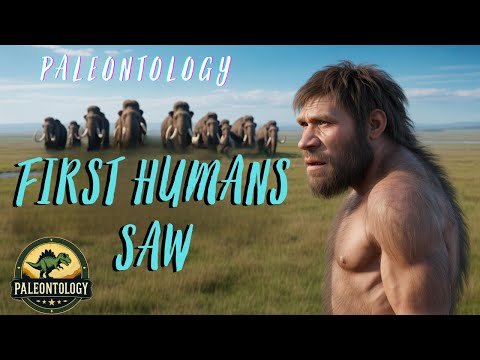
You know what’s wild? Dinosaurs roamed the Earth for over 160 million years. That’s longer than we’ve been around by a long shot! Every time I think about that, it blows my mind.
Imagine stumbling upon a giant T-Rex footprint while hiking. Like, who wouldn’t freak out? Paleontology is full of moments like that, where you’re literally walking in the footsteps of giants.
But it’s not just about dinosaurs. The history of life on our planet is like a giant puzzle made up of crazy creatures, some you wouldn’t believe even existed.
So yeah, grab your favorite snack and let’s take a light-hearted stroll through time. We’ll dig deep into the world of paleontology and uncover all those cool things hiding beneath our feet!
The Origins of Paleontology: Tracing the Evolution of a Scientific Discipline
Paleontology is like a thrilling treasure hunt, but instead of gold, we’re digging up ancient bones and fossils! So, let’s talk about how this fascinating field came to be.
Way back in the day, around the 16th century, people started noticing weird shapes in rocks. These weren’t just any old rocks. They were what we now call fossils. Imagine folks in Europe picking up strange clam-like things or giant bones and wondering what on earth they were. At that time, people thought these objects were just curiosities or remnants of biblical creatures.
Fast forward to the late 18th century when a guy named Georges Cuvier stepped onto the scene. He was basically the father of paleontology! Cuvier argued that extinction was real and not just some myth. He studied fossils and figured out they belonged to animals that no longer roamed the Earth. That was a big deal! It opened doors for questioning what happened to these creatures.
Then came along Mary Anning in the early 19th century. You’ve probably heard of her, right? She’s like the rock star of paleontology—literally! Anning spent her days collecting fossils along the cliffs of Lyme Regis in England. She made significant contributions to our understanding of marine reptiles like ichthyosaurs and plesiosaurs. Her work helped legitimize paleontology as a serious scientific discipline.
As time went on, more people got involved. The 19th century saw an explosion in fossil hunting with expeditions around the world. Scientists began organizing their findings and studying them more systematically. In fact, museums started popping up everywhere filled with these ancient treasures! You can imagine how much excitement that must’ve stirred up!
By the turn of the 20th century, many aspects of paleontology were shaping into what we see today: identifying species through fossils, studying ancient ecosystems, and even understanding evolutionary processes. It’s wild how scientists piece things together from just a few bones!
And let’s not skip over technology! The development of methods like radiometric dating allowed scientists to figure out how old those fossils are—making it possible to place them accurately on our planet’s timeline.
So here’s where we stand now: paleontology isn’t just about dinosaurs anymore; it encompasses every form of life that has existed on Earth! With modern techniques and interdisciplinary approaches bringing together geologists, biologists, and even chemists, paleontology continues evolving its methods and insights into our planet’s history.
In summary:
- 16th Century: Early curiosity about fossils.
- Cuvier: Established extinction as a concept.
- Mary Anning: Major contributions through fossil hunting.
- 19th Century: Organization of findings; rise of museums.
- Modern Techniques: Radiometric dating reshapes timelines.
Paleontology is not just digging stuff up; it’s connecting dots across millions of years! It’s pretty amazing when you think about all those stories locked inside those ancient remains waiting for someone to piece them together again.
Exploring the Bone Wars: Is There a Movie That Captures This Historic Scientific Rivalry?
The Bone Wars, man, what an epic saga! It was like the ultimate showdown between two paleontologists, Edward Drinker Cope and Othniel Charles Marsh. In the late 1800s, these two guys were basically racing to discover and describe the most dinosaur fossils. Can you imagine? It’s like an intense rivalry fueled by competition to be the best in your field! So, is there a movie that captures this wild rivalry? Yeah, kind of!
To kick things off, The Bone Wars were characterized by some truly outrageous tactics. Cope and Marsh didn’t just dig for fossils; they also engaged in some pretty dirty tricks. They would steal each other’s ideas, sometimes sabotaged digs, and even tried to buy off each other’s assistants! Seriously!
Now, about movies that touch on this whole crazy story—there’s a film called The Lost World: Jurassic Park. While it doesn’t directly depict Cope and Marsh’s rivalry, it brings paleontology into the spotlight with those cool dinosaurs we all love. But if you’re looking for something that dives deeper into their world specifically, there isn’t a blockbuster just yet.
There are documentaries floating around that delve into their antics; they provide some gripping insights into how competition can drive scientific advancements. You’d see clips from old newspapers showcasing their feuds. Imagine reading sensational headlines about dinosaur discoveries while sensing the underlying drama!
In terms of books or shows—well, sure—there are some great sources like Bone Wars: The Excavation of Edward Drinker Cope, which detail their lives and battles quite vividly. These stories give you a broader context about paleontology during that wild era!
So yeah, while there might not be a major film solely focused on these two titans of paleontology battling it out in epic fashion—at least not yet—you can definitely find media that talks about them and their impact on science as we know it today.
In short:
- The Bone Wars involved fierce competition between Edward Cope and Othniel Marsh.
- They used questionable tactics including sabotage to outdo one another.
- Films like The Lost World highlight dinosaurs but don’t focus solely on their story.
- Documentaries exist that provide insights into this fascinating chapter of history.
- Many books detail their lives more extensively than films currently do.
It’s a complicated but thrilling past filled with passion for discovery, lots of egos on display. If you ever get curious about how these guys shaped our understanding of dinosaurs—and generally made paleontology what it is today—grab one of those books or check out some documentaries! They’re super interesting and full of surprises!
Paleontology Through the Ages: A Comprehensive Scientific Journey into Earth’s History and Fossil Discoveries
Paleontology is like a time machine that takes us back millions of years. Seriously, isn’t that mind-blowing? It helps us understand Earth’s history through the study of fossils—those cool remnants of ancient life. You know, the bones, teeth, and even footprints left behind by creatures that roamed the planet long before we were around.
To start off, let’s think about what a fossil really is. It’s basically any preserved evidence of ancient life. When an organism gets buried under layers of sediment, it can transform into a fossil over time due to minerals seeping in and replacing organic material. So next time you see a dinosaur bone or a shell, remember—it’s like a little piece of history just waiting to tell its story.
The history of paleontology stretches way back—like way back! The first formal studies began in the late 1700s and early 1800s. People began to notice that some rocks contained strange shapes that didn’t look like anything living today. Georges Cuvier, often considered the father of paleontology, used these fossils to figure out extinction events and how species changed over time. Pretty clever for his day!
Fast forward to the 19th century—the golden age! This period brought loads of excitement in fossil discoveries. Think about the Jurassic period. Dinosaurs were just everywhere! Fossils from places like America and Europe started popping up, bringing many species into focus: T-rex, Stegosaurus; you name it! Paleontologists were digging up these massive bones and piecing them together like puzzle pieces.
With advancements in technology came new methods to study fossils more deeply. Techniques like radiometric dating help determine the age of those fossils accurately. It’s amazing how they figured out that some fossils are millions of years old using details at an atomic level! Talk about a major breakthrough!
Paleontology isn’t just about dinosaurs either—it covers all life forms! We also study plants, insects, marine life… you got it—all sorts. Take Amber, for instance; insects trapped in tree resin give clues about prehistoric ecosystems. Those tiny critters tell us what kind of environment they lived in ages ago.
- Icthyosaurs: These marine reptiles swam during the Mesozoic era.
- Mammoths: Giants that roamed during ice ages are fascinating examples we study today.
- Plant fossils: They reveal info on climate change throughout Earth’s history!
You know what’s really cool? The techniques have evolved along with our understanding of biology and geology, allowing paleontologists today to reconstruct entire ecosystems from tiny bits and pieces found underground! That means they can paint a picture—not just of individuals—but entire habitats where these creatures lived.
The field is still growing! Every year brings new discoveries; scientists are constantly digging up new treasures that challenge previous assumptions we held about evolution or extinction events. It makes you wonder what else is lurking beneath our feet or hidden away in rocky cliffs!
If you’re curious about what lies ahead for paleontology… Well, researchers are now diving into things like ancient DNA analysis from well-preserved specimens—this could lead to exciting insights into evolution patterns and even how species adapt over time.
Paleontology truly takes you on an adventure through Earth’s rich history. Each fossil tells a story—a narrative woven through millions of years—which helps piece together not just who was here before us but also how our planet has transformed along with them.
You might be surprised by how much we can learn from those old bones and shells scattered around the globe! And really, who wouldn’t want to be part of unraveling such an epic tale?
Paleontology is like that old movie that just keeps getting better with age. Imagine digging up fossils and piecing together the story of life on Earth. It’s a bit like being a detective, you know? You’re out there in the dirt, sifting through layers of history, trying to figure out what happened millions of years ago.
When I think about paleontology, I can’t help but remember a field trip I took back in school. We visited a museum where they had a massive dinosaur skeleton on display. Standing there, gazing up at those bones, I felt this mix of awe and curiosity. How did these creatures live? What did their world look like? Those big questions sparked my interest in science.
Now, paleontology has come a long way since the first fossil was discovered. Back in the day, it mostly involved collecting bones and guessing what they were. But nowadays? It’s a high-tech affair! Scientists use all sorts of tools and techniques—like CT scans and computer modeling—to get deeper insights without damaging precious fossils. It’s cool to think that something as ancient as a dinosaur can be studied with technology we have today.
And let’s talk about all the surprises! For years, paleontologists thought dinosaurs were big lumbering beasts. Then came along new discoveries that showed some were actually feathered or even brightly colored! Isn’t that mind-blowing? It makes you realize how much we still have to learn about our planet’s past.
But it’s not just about dinosaurs. There are countless stories woven into the fabric of our Earth—from ancient sea creatures to early mammals and plants that once ruled before us. Every fossil tells its own tale; that’s what makes this field feel alive despite being rooted in something so old.
The thing is, paleontology isn’t just for scientists holed up in labs or out on dig sites; it reaches into our everyday lives too. It helps us understand how species change over time due to environmental shifts—a crucial lesson for us today as we face climate change and biodiversity loss.
So yeah, diving into paleontology can feel a bit daunting at times—after all, it’s vast like an endless ocean filled with mysteries waiting to be uncovered—but it also connects us with nature’s epic saga. And who wouldn’t want to be part of that story?