You know that moment when you’re stuck in traffic, and you see construction crews working on a bridge? It’s like, “Are they building a bridge to somewhere awesome or just making my drive longer?”
Well, all that work is way more important than we realize. Civil engineering isn’t just about bricks and mortar; it’s about shaping our world sustainably.
Think about it: our cities are growing faster than ever, and with that growth come some pretty big challenges. We need smarter solutions that don’t just fix the problems but also keep the planet in mind.
Now, enter the realm of innovations in civil engineering! New ideas are popping up everywhere—think recycled materials, eco-friendly designs, and tech that helps us build better. It’s exciting stuff!
So let’s dig into how these fresh approaches are making sure we can enjoy our roads, bridges, and buildings without ruining the planet in the process!
Transforming Civil Engineering: Innovative Approaches for a Sustainable Future
Civil engineering is, like, a cornerstone of our modern world—it’s all about planning and designing the structures we live and work in. But here’s the thing: traditional practices in civil engineering can really take a toll on the environment. Thankfully, there’s a shift happening! People are getting super creative with innovative approaches to make construction more sustainable.
One major focus is on **eco-friendly materials**. A lot of engineers are swapping out concrete for alternatives like bamboo or recycled plastics. Seriously, bamboo is strong and grows fast, making it a renewable resource that can replace some conventional materials. And recycled plastics? They’re popping up everywhere as structural components or even insulation! Not only do these materials reduce waste, but they also cut down on carbon emissions associated with production.
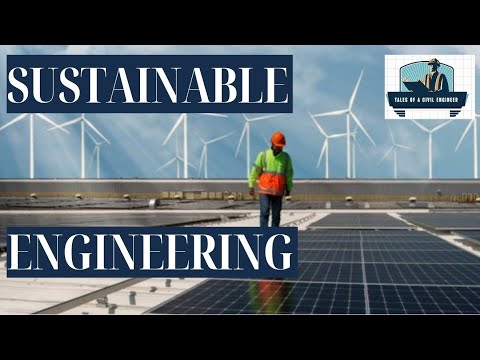
Then there’s **green building techniques**. This means designing buildings that use less energy than they produce. Solar panels are now pretty common, but integrating them right into the building’s design? That’s next-level stuff! Buildings can even be outfitted with features like green roofs—those lovely gardens up top that help insulate while providing habitat for birds and butterflies.
Another cool innovation revolves around **smart technology**. Imagine buildings that can talk to you—or rather, to their owners! Smart sensors can monitor energy usage and adjust heating or cooling systems automatically. This tech helps save energy and money while keeping everything comfy inside! It’s like having your own personal assistant for your home.
And don’t overlook **sustainable water management** practices! Engineers are developing systems that capture rainwater for reuse—for things like flushing toilets or watering gardens instead of letting it disappear down the drain. These techniques not only conserve water but also help prevent flooding during heavy rains, which is becoming more common due to climate change.
- Eco-friendly materials: Using bamboo and recycled plastics as alternatives to traditional materials.
- Green building techniques: Structures designed to produce more energy than they consume.
- Smart technology: Sensors regulating energy use for increased efficiency.
- Sustainable water management: Reusing rainwater effectively to reduce waste.
This all sounds great, right? But implementing these innovations isn’t just about cool designs; it often requires rethinking how we approach engineering altogether. Collaboration between engineers, architects, environmentalists—basically everyone—is key here!
I once helped out at a community garden project where we used repurposed materials from demolished buildings instead of new ones—honestly so satisfying seeing things recycled creatively for something good! That makes me think: every little bit counts when we come together around sustainability in our future constructions.
In short, transforming civil engineering isn’t just an option anymore; it’s becoming essential for our planet’s health—and that’s something you can totally get behind! With these innovative approaches reshaping the industry, who knows what amazing structures we’ll see popping up in the future? Exciting times ahead!
Exploring the Role of Civil Engineers in Advancing Sustainable Development through Innovative Science Solutions
Civil engineering is one of those fields that’s super important yet often flies under the radar. You might think it’s just about building stuff, but it goes way deeper—especially when we talk about sustainable development. So, what does this mean in the context of civil engineers advancing sustainable solutions? Let’s break it down.
First off, civil engineers play a crucial role in **designing infrastructure**. Roads, bridges, and buildings are not just physical structures; they shape how we interact with the environment. That means they have a big responsibility to make sure these things are built with **sustainability** in mind. You know, like choosing materials that don’t harm the planet or using design techniques that reduce energy consumption.
One way they do this is by incorporating **green materials** into their projects. For instance, many civil engineers are starting to use recycled concrete and steel rather than new materials. This not only cuts down on waste but also saves energy because making new materials can be super resource-intensive.
Another area is stormwater management. Urban areas often deal with excess rainwater that can cause floods or pollution in local waterways. Engineers use innovative designs like **green roofs** and permeable pavements that allow water to soak into the ground rather than run off into drains. This helps maintain healthy ecosystems while also reducing flooding risks.
Now let’s talk about **energy efficiency**, which is kind of a buzzword these days but for good reason! Civil engineers design buildings to maximize natural light and airflow, reducing the need for artificial heating or cooling systems. Imagine living in a place where you don’t have to crank up the AC all summer long because your home is naturally cool—that’s what these innovative designs aim for!
Collaboration also plays a key role here. Civil engineers often work alongside architects and environmental scientists to create solutions that benefit everyone involved. Think about it: when multiple minds unite, they come up with more creative solutions than any single discipline could alone.
And here’s where technology enters the picture—like using simulations and modeling software that help predict how structures will perform under various conditions. This allows engineers to tweak their designs before anything gets built! It’s like putting together a puzzle: if you know what pieces fit before you start building, you save time and resources.
Moreover, civil engineering isn’t just about big projects; small communities benefit from innovations too! Engineers can implement **sustainable practices** on smaller scales—maybe designing community gardens or local parks that promote biodiversity while providing green spaces for residents.
So when we think about civil engineering today, remember it isn’t just bricks and mortar—it’s about creating a future that respects our planet while meeting human needs. That means being imaginative and pushing boundaries every day! Each innovative solution is like a little step toward something bigger—a world where development doesn’t come at Mother Earth’s expense.
In short:
- Infrastructure Design: Building sustainably by choosing eco-friendly materials.
- Stormwater Management: Utilizing green roofs and permeable pavements.
- Energy Efficiency: Maximizing natural light and airflow.
- Collaboration: Teaming up with other experts for better solutions.
- Technology Use: Leveraging simulations for effective designs.
- Sustainable Practices: Implementing small-scale innovations in communities.
Basically, civil engineers are at the forefront of marrying science with community needs in terms of sustainable development—not just thinking outside the box but redefining it altogether! So next time you see a bridge or an eco-friendly building go up, remember there are some passionate folks behind those projects working toward a greener future!
Exploring Groundbreaking Innovations in Environmental Engineering: Advancements Shaping Sustainable Science
Environmental engineering is like that friend who always knows how to fix things—it’s all about finding ways to protect our environment while making our lives easier. Innovations in this field are seriously shaping how we interact with the planet. It’s a big deal, you know? And when it comes to sustainable solutions, civil engineering plays a huge role.
Picture this: imagine cities where rainwater harvesting isn’t just an idea but a common practice. Engineers design systems that collect and store rainwater from rooftops and roads. This water can then be used for irrigation or even drinking after treatment. Seriously, it’s like capturing nature’s gift right at your doorstep! Think of it as turning a rainy day into something useful instead of just wet shoes.
Then there’s the concept of green buildings. They aren’t just about looking cool; they use innovative materials and designs to save energy and water. For example, some buildings are being constructed with solar panels, which transform sunlight into electricity. It’s pretty neat because not only do they lower energy bills, but they also reduce carbon emissions. Every little bit helps, right?
Another fascinating advancement is in waste management. You know those trash cans at parks? Some are now outfitted with sensors that let waste management crews know when they’re full. This means trucks don’t have to make unnecessary trips, saving fuel and reducing air pollution. It sounds simple, but it really makes a dent!
Let’s not forget about sustainable transportation. More engineers are looking at ways to create better public transit systems. We’re talking about electric buses and bike-sharing programs that cut down on traffic and pollution. Imagine zipping through your city without adding to the smog—all while getting some exercise! Cool, right?
And there are even advances in bioswales, which are basically landscapes designed to manage stormwater runoff. They look good while filtering pollutants before the water makes its way back into natural waterways. It’s like nature helping nature, creating spaces for plants and critters along the way.
Now here’s something that really pulls at the heartstrings—community involvement. Many projects focus on ensuring local communities have a say in environmental decisions affecting them. When people invest time into their surroundings, they become more connected and responsible for their environment.
When you think about these innovations together, it paints a picture of a future where we live more harmoniously with our planet—like working towards creating communities that thrive alongside nature rather than against it. Isn’t that what we all want? With engineers continually pushing boundaries in environmental solutions, there’s hope for a sustainable tomorrow available today!
You know, when you think about civil engineering, it’s easy to picture big buildings and endless highways, right? But there’s so much more to it! I remember driving through a new part of town one day and seeing this massive structure that was built with recycled materials. It just hit me how far we’ve come. Seriously, innovations in civil engineering these days are not just about making things bigger or taller; they’re all about making them smarter and more sustainable.
So let’s chat a bit about some of these cool innovations. Take green roofs, for example. Imagine walking into a city filled with concrete and suddenly spotting a building covered in plants! They’re not just pretty; they help with energy efficiency by keeping buildings cooler during hot months. Plus, they absorb rainwater, which reduces the risk of flooding! It feels like nature is making a comeback right in the urban jungle.
Then there’s permeable pavement. This stuff’s amazing! Instead of rainwater just sitting on top of asphalt and causing puddles or flooding, permeable materials allow water to seep through and recharge groundwater supplies. It’s like giving Mother Nature a helping hand! Honestly, when I first learned about this, I thought it sounded like something straight out of sci-fi.
And don’t even get me started on 3D printing in construction. Just picture a giant printer churning out entire houses layer by layer! It reduces waste—like seriously minimizes it—and can speed up the building process way faster than traditional methods. I mean, who wouldn’t want their house built in days instead of months?
But here’s the thing: while these innovations are super exciting, there’s still so much work to do. Not every city has caught up yet with these sustainable solutions, and sometimes budget constraints can hold back progress. So while we’re dreaming big—literally—we also need to figure out how to bring everyone along for the ride.
It makes you think about how each little improvement adds up over time, doesn’t it? Each step towards sustainability is kind of like planting seeds for future generations—building structures that last without trashing the planet in the process.
In the end, it’s all about balance: creating spaces where people thrive while respecting our environment. And as more engineers embrace this mindset, we might just find ourselves living in cities that harmonize nature with innovation—a pretty awesome thought if you ask me!