You know that moment when you’re walking down the street, and you just stop to admire a cool bridge or an epic skyscraper? Yeah, me too. It’s pretty wild how much thought goes into building those things. But here’s a kicker: civil engineering isn’t just about making stuff look good. It’s also about saving our planet!
Imagine if every time we constructed a building or road, we left Mother Earth a little better than we found her. Sounds dreamy, right? Well, there’s some serious innovation happening in civil engineering that’s all geared toward sustainability. From using recycled materials to creating green spaces in cities, it’s pretty mind-blowing what folks are cooking up.
So why should you care? Because these innovations are not just cool; they could change the game for our future! Let’s dig into how engineers are putting their brains together to build a world that’s not only functional but also friendly to nature. Spoiler alert: it involves some seriously neat stuff!
Transforming Civil Engineering: Innovations for a Sustainable Future in 2021
So, civil engineering, huh? It’s like the unsung hero of our cities and communities. It shapes the stuff we live in, work in, and pretty much everything around us. But there’s a catch: all this building can take a toll on our planet. That’s where innovations for a sustainable future come in! Let’s chat about how things are changing in this field.
First off, green building materials are making waves. These materials don’t just look good; they’re better for the environment too. Take bamboo, for instance. It grows super fast and absorbs carbon dioxide like a champ. Using it instead of traditional wood makes a big difference.
Then there’s 3D printing. Seriously cool stuff! Imagine being able to print homes layer by layer with less waste than traditional building methods. In fact, some companies have already built entire houses using 3D printers! This not only saves resources but also cuts down on construction time.
Now let’s talk about smart technology. Integrated systems in buildings can control energy usage more efficiently. Think of smart thermostats adjusting automatically to save energy when you’re not home or solar panels that optimize energy collection throughout the day. This tech is becoming standard rather than an afterthought!
Another interesting trend is sustainable urban drainage systems (SUDS). With climate change causing erratic weather patterns and heavy rainfall, these systems manage stormwater effectively. They mimic natural processes to reduce flooding and improve water quality—kind of like giving Mother Nature a helping hand!
Also noteworthy is the push towards modular construction. This method involves prefabricating parts of buildings off-site and then assembling them on location. It reduces waste and speeds up the process while still maintaining high-quality standards.
Last but not least, we’re seeing an increase in community-led projects. These initiatives often focus on sustainability and involve local residents in decision-making processes around infrastructure development. When people have a say in what their community looks like, it fosters better relationships between people and their environment.
Feeling inspired yet? Civil engineering is moving fast toward a more sustainable model! And these innovations? They represent hope for both our cities’ futures and our planet’s health as well!
It’s pretty exciting to think about where we’ll go from here—new materials, fresh tech solutions, all aimed at creating spaces that work with nature instead of against it. So here’s to the builders out there; you’re not just constructing buildings; you’re helping shape a greener future!
Exploring the Future of Civil Engineering: Innovations and Trends Shaping the Next Decade
So, civil engineering is this super cool field that basically shapes the spaces we live in. You know, everything from roads to skyscrapers, bridges to parks. And as the world keeps changing, so does civil engineering, especially when it comes to making things more sustainable and efficient. Let’s chat about some of the exciting innovations and trends that are shaping the next decade.
Smart Materials are already making waves. These materials can change properties based on environmental conditions. Think about it: a concrete that can heal itself when cracks appear. How cool is that? It’s like concrete with superpowers! This could save tons of money and resources since structures would last longer without needing constant repairs.
And then there’s 3D Printing. Yeah, you heard me right! It’s not just for making toys anymore. In construction, 3D printing can create complex building components quickly and with less waste. Imagine whole walls being printed on-site instead of getting transported from a factory miles away! That cuts down on emissions too.
We should also talk about Green Infrastructure. This concept is all about using nature to manage stormwater and improve urban environments. Things like green roofs, permeable pavements, and rain gardens help absorb rainwater and reduce flooding while looking pretty awesome at the same time! It’s like giving city spaces a natural facelift.
Speaking of cities, Smart Cities are gaining traction everywhere. These are cities equipped with technology to enhance performance and well-being through data collection. It’s sorta like your smartphone but for an entire city! Sensors can monitor traffic flow or air quality so that engineers can make real-time improvements to infrastructure. It’s almost like having a living organism that adapts to what it needs.
Then there’s Sustainable Urban Mobility. You know how everyone talks about reducing their carbon footprint? Well, civil engineering gets in on that too by creating safe bike lanes or pedestrian-friendly areas that encourage walking instead of driving everywhere. More public transport options also play a big role in this trend—less traffic means less pollution!
Of course, let’s not forget about Construction Robotics. Robots are stepping (literally!) into construction sites helping workers with heavy lifting or even doing precision tasks like bricklaying. This can speed up projects while keeping human workers safe from strenuous physical strain.
Lastly, there’s a growing focus on Community Engagement. Engineers now want input from locals during project planning because hey—who knows better than those living right in the area? This approach makes projects more suitable for the people who use them daily.
Overall, civil engineering is adjusting its sails toward a more sustainable future thanks to innovation and forward-thinking ideas. Who knows what other cool stuff we’ll see in our cities over the next decade? It makes you feel kinda excited for what’s coming next!
Cutting-Edge Innovative Ideas for Aspiring Civil Engineering Students in Science
So, you’re diving into the world of civil engineering, huh? That’s super cool! You’re tapping into a field that’s all about building our future. And let me tell you, there are some really cutting-edge ideas out there that can shape how we approach sustainable construction and infrastructure.
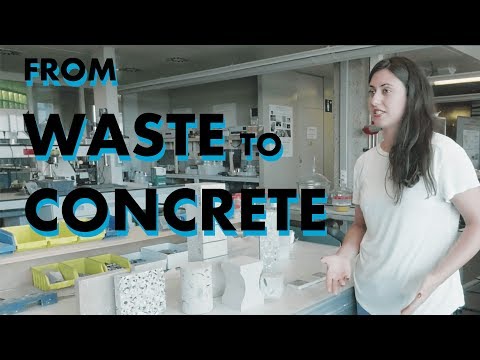
First off, green materials are taking center stage. Think about it: traditional concrete has a pretty hefty carbon footprint. But now, engineers are experimenting with alternatives like **mycelium** (yep, the stuff mushrooms grow from) and recycled plastics! They’re not only lighter but can also mimic some of concrete’s characteristics while being kinder to our planet.
Also, smart technology is totally revolutionizing civil engineering. Imagine structures that can “talk” to us! Self-sensing materials can detect stress or potential failures. If a bridge is under too much pressure or shifting due to weather changes, these materials send alerts. That’s like your building saying “Hey, I need some TLC!” Isn’t that something?
Then there’s 3D printing. You might be thinking it’s just for making toys or models, but nah! In construction, it’s being used to create whole structures—like houses—even bridges! It reduces waste and speeds up the building process. Seriously exciting stuff when you think about the potential for affordable housing in developing areas.
Another cool innovation is modular construction. Picture this: entire sections of buildings being constructed off-site and then assembled on location. This method not only cuts down on construction time but also minimizes disruption to the local environment. A classic example? The IKEA approach but for skyscrapers!
Oh, and let’s not forget about renewable energy integration. Buildings aren’t just places where people live or work anymore; they’re becoming sources of energy themselves! Solar panels? Wind turbines incorporated into structures? Yup! They generate power while doing their thing every day.
And speaking of energy-efficient designs, there’s this whole movement around passive house techniques. These designs focus on keeping homes warm in winter and cool in summer without relying heavily on heating or cooling systems—using great insulation and strategic window placement instead!
Lastly, here’s something you might like: how about focusing on waste reduction? Circular economy principles mean designing buildings where everything is reusable or recyclable at the end of their life cycle—this leads to less waste sent to landfills!
So yeah, if you’re keen on pursuing civil engineering with an eye towards sustainability, these innovations could be your playground! Just remember: being part of this field means you get to contribute to a healthier planet while shaping communities for generations to come. How awesome is that?
You know, when I think about civil engineering, I can’t help but flash back to those childhood days playing with LEGO bricks. I’d build the tallest towers and bridges, dreaming of creating something that would last forever. Fast forward to today, and civil engineering has evolved so much! It’s not just about building structures anymore; it’s really about making our world sustainable.
Let’s be real, though. The planet is facing some serious environmental issues. Climate change, pollution, and urban sprawl are just a few of the big players wreaking havoc on Mother Earth. That’s where innovative civil engineering steps in, helping us find smarter ways to build and live.
Take green buildings, for example. These aren’t just structures; they’re living ecosystems! Engineers are incorporating natural light, sustainable materials like bamboo or recycled steel, and even green roofs—yes, you heard me right; roofs with gardens! I mean how cool is that? This approach not only cuts energy use but also improves air quality. You can even grow veggies up there!
And let’s talk transportation for a second. Think electric vehicles and smart roads that charge them as they drive. Imagine commuting through cities lined with trees that filter the air while you zoom by in a quiet car. Sounds dreamy! Smart traffic systems adapt to real-time conditions too—so you won’t be stuck in endless jams anymore.
But here’s where it gets a bit emotional for me: Remember when our communities were built around people? Nowadays, many places feel cold and disconnected. Innovative urban planning aims to bring us back together—think walkable neighborhoods filled with parks and communal spaces that foster interaction among people. You know when you walk through a vibrant area filled with life? That’s what we want!
Of course, implementing these innovations comes with challenges like funding and getting everyone on board (seriously!). But let’s face it—we owe it to ourselves and future generations to push for change. Because at the end of the day, if we don’t act now for a sustainable future in civil engineering—and life in general—what kind of world are we leaving behind?
What keeps me hopeful is seeing young engineers buzzing with ideas care about both progress and the environment equally! They’re champions of sustainability who understand the urgency of our times.
So yeah, diving into these innovations feels like being a kid again with LEGO bricks but now on a much larger scale—a chance to reimagine our world into something beautiful and enduring!