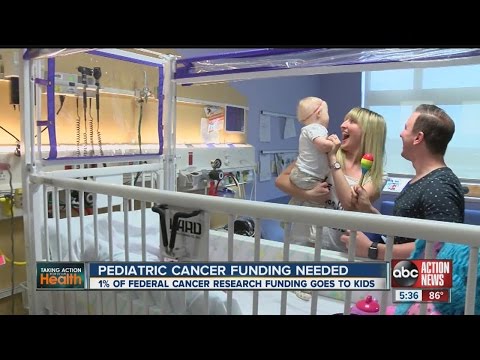
You know, kids are supposed to be running around, laughing and making messes, right? But the sad truth is that some face battles way tougher than any playground scrape.
Pediatric cancer is one of those battles. It’s like someone decided to flip the script on childhood, turning what should be carefree days into a tough fight for survival. Seriously, it’s heartbreaking.
But here’s the thing: there’s hope! Research is like this superhero in a lab coat, swooping in to save the day. And the more we fund it, the better our chances of helping those little warriors.
So, let’s chat about how funding research can change everything for kids diagnosed with cancer. It’s time we shine a light on this fight and see what we can do together!
Securing Funding for Cancer Research: Strategies and Resources for Successful Grants
Securing funding for cancer research, especially for pediatric cancers, can feel like navigating a maze blindfolded. But trust me, there are ways to make this process smoother. Let’s break it down.
First off, it’s about knowing the landscape. You should familiarize yourself with the different **funding sources available**. Some of the big players include:
- Government grants: Agencies like the National Institutes of Health (NIH) have specific programs for childhood cancers.
- Non-profit organizations: Groups such as St. Baldrick’s Foundation focus solely on funding pediatric cancer research.
- Pharmaceutical companies: They often have partnerships that can support innovative research projects.
Diving into these options can be a game changer. There’s this whole world out there that’s ready to support critical work!
But just having your eyes open isn’t enough; you’ve got to craft a compelling grant proposal. You want to tell a story—your research story! Make sure you include:
- Clear objectives: What do you aim to achieve? Be as specific as possible.
- Impact: Explain how your work could change the landscape of pediatric cancer treatment or improve outcomes for kids.
- Methodology: Lay out your plan in detail. Reviewers want to see that you know what you’re doing!
One time I was chatting with a researcher who mentioned how they almost didn’t get their grant because they didn’t clearly outline their methodology at first. But once they revamped it and made everything crystal clear, bam! They secured the funds.
Next up is collaboration. Building partnerships can help bolster your proposal’s strength. Working with other researchers or institutions not only broadens your resources but also showcases a unified front tackling cancer.
You should also consider attending **conferences and networking events**. These gatherings aren’t just for presenting findings; they’re golden opportunities to connect with potential funders! A casual conversation over coffee might just lead to funding down the line.
And don’t underestimate feedback! Before submission, let peers or mentors review your proposal. They might catch things you missed or suggest improvements that could really enhance clarity and impact.
Lastly, keep track of deadlines and requirements for each grant opportunity—this might sound boring but trust me; it’s crucial! Missing one small detail could mean an automatic disqualification.
Researching pediatric cancers is incredibly important and needs all hands on deck! With the right strategy, resources, and determination, securing funding isn’t just possible; it’s essential for making strides against childhood cancers. So go on—taking these steps could be what fuels groundbreaking research!
Executive Order Boosts AI Research Funding for Pediatric Cancer: Implications for Scientific Advancement
So, there’s been this executive order that’s aimed at boosting AI research funding specifically for pediatric cancer. This is pretty cool and has some serious implications for scientific advancement. I mean, when it comes to kids and cancer, every minute counts, you follow me?
First off, let’s talk about what AI can do in this field. Artificial intelligence can analyze massive amounts of data way faster than humans. Imagine trying to sift through millions of patient records or research papers—takes forever, right? But with AI, we can pinpoint patterns and trends that lead to new treatment options.
Here are some potential implications of this funding:
Now, let’s get a bit more emotional here. Imagine being a parent and hearing your child has cancer. It’s gut-wrenching! Knowing that researchers are tapping into advanced tech like AI feels like there’s a little light at the end of the tunnel—a hope for quicker solutions.
This funding isn’t just about throwing money at problems either. It’s an acknowledgment of the growing role technology plays in medicine today and how crucial it is for our kids’ futures.
But it does raise questions too! Like how will researchers ensure they’re using data ethically? Or what happens if these AI models make mistakes? Those are conversations we need to have along with everything else.
Overall, this executive order feels like a positive step forward in the fight against pediatric cancer. By blending traditional research with cutting-edge tech like AI, we might just be on our way to making some real progress in saving lives. It gives us hope—something every parent needs when faced with such tough battles.
Impact of Funding Cuts on Childhood Cancer Research: Implications for Scientific Progress and Patient Outcomes
When we talk about childhood cancer research, funding is like the fuel for a car. Without it, progress grinds to a halt. Funding cuts can really shake things up in ways you might not expect.
Picture this: A kid diagnosed with cancer is waiting for new treatments that could save their life. If researchers don’t have enough cash flow, they can’t explore new ideas or test innovative therapies. That’s where the implications become serious.
- Slower Research Progress: With fewer funds, scientists often have to put their best ideas on hold. This means new treatments and therapies take longer to develop. Every day that passes can matter a lot for kids fighting cancer.
- Limited Clinical Trials: Clinical trials are super important because they test how well new treatments work. Without enough funding, there aren’t enough trials happening. This results in fewer options for children when standard treatments fail.
- Impact on Talent: It’s tough to keep talented researchers in the field if there’s no money to pay them properly or support their projects. We risk losing bright minds who could’ve contributed to breakthroughs in treatment!
- Increased Burden on Families: Families already face so much when their child is diagnosed with cancer. Funding cuts could mean less financial help for treatments not covered by insurance, putting even more stress on them during an incredibly hard time.
- Long-term Effects: The aftermath of funding cuts can be felt for years! This creates gaps in knowledge and decreases overall survival rates as promising avenues of research are left unexplored.
I remember hearing a story about a young girl named Sophie who was battling leukemia. She bravely participated in a clinical trial looking into a promising new drug that had shown hope in early studies. When funding got slashed, the trial was put on hold, leaving her and many others without options. It was heartbreaking!
The thing is, while we often hear about big diseases getting most of the attention and funding, childhood cancer research struggles to stay afloat sometimes. If we want better outcomes for these brave little fighters, it’s crucial that we recognize how vital funding is in sustaining progress.
No one wants to imagine kids facing such tough battles without the latest science behind them. So every voice counts! Advocating for more support means these kids have a better chance at brighter tomorrows.
You know, when I think about pediatric cancer, my heart really feels heavy. It’s hard to wrap your head around the fact that kids—innocent little souls with dreams and aspirations—are battling such a tough disease. Just the other day, I came across a story about a kid named Max who loves baseball. His dream was to play in the big leagues, but he got diagnosed with leukemia at just eight years old. I can only imagine how his world flipped upside down. Stories like Max’s remind us why funding research for these diseases is so crucial.
So here’s the thing: research funding is like the lifeblood of any scientific breakthrough, especially in cancer treatment. You might think it’s all about fancy labs and high-tech machines, but it’s really about people—dedicated scientists and doctors putting in long hours to find ways to help kids like Max live longer and healthier lives. Without money flowing into research, we’d be stuck with outdated treatments that don’t really work or have awful side effects.
And let me tell you, the progress we’ve made over the years is pretty incredible! Treatments that once felt like shots in the dark are becoming more targeted and effective. It’s not just luck; it’s all thanks to relentless research funded by donations from kind-hearted folks wanting to make a difference. Sometimes it feels overwhelming thinking about how big this fight is, but every dollar counts—that’s what brings hope to families dealing with pediatric cancer.
I get it; sometimes donating feels like dropping change into a well—you hope for a miracle but wonder if it’ll make a difference at all. But every penny plays its part in pushing forward important studies that could save lives or improve treatment options for kids who have nothing but courage on their side.
It also brings people together in ways you wouldn’t expect. Fundraising events often turn into community celebrations of hope! The sense of solidarity is palpable as people come together for one common goal: putting an end to childhood cancer once and for all.
But seriously, without investment in research, we risk stalling that progress completely. Every time scientists can discover something new or enhance existing treatments, they’re one step closer to cracking this code for good.
So when you hear about initiatives aimed at funding pediatric cancer research or see those donation boxes at your local store? Take notice! That small action could mean everything not just for families today but for future generations too. Let’s keep pushing until stories like Max’s have different endings—the kind where kids hit home runs instead of fighting battles against disease!