You know that feeling when you accidentally touch a cold metal surface in winter? Ouch, right? Your skin kinda sticks for a second before you pull away, and it’s like this tiny reminder of just how wild the world of bonding is.
So, let’s talk about physical bonds. They’re not just some dry topic in a textbook. These little connections are part of everything around us—from the air we breathe to the gadgets we use every day. Seriously, they’re like nature’s way of getting things together.
You might think bonding is all about romance or friendships. But nope! Physical bonds are the glue—literally—that hold materials together. They’re behind why ice floats and why metals conduct electricity so well.
Ready to dig into this? It’s gonna be a fun ride through the weird and wonderful world of bonds!
Understanding Bonds in Physical Science: A Comprehensive Overview of Molecular Connections and Interactions
Understanding Bonds in Physical Science involves exploring how atoms stick together to form everything from solids to gases. It’s like the invisible glue that holds our universe together. So, let’s break it down!
Molecular Bonds are what happens when two or more atoms come together. Picture two people holding hands; that’s kind of like atoms bonding. There are different types of bonds, and each one has its own way of keeping things connected.
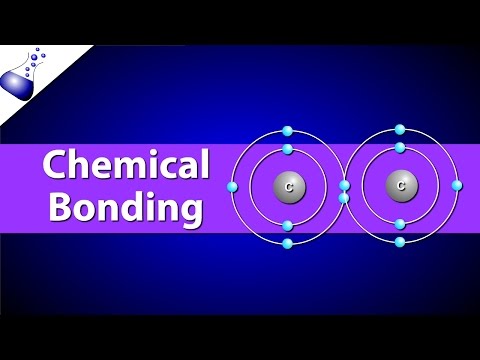
- Covalent Bonds: This is when atoms share their electrons, kind of like sharing a pizza. You get some slices, and I get some too! Water (H2O) is a good example; it’s made when oxygen shares electrons with hydrogen.
- Ionic Bonds: Imagine one person gives away their sandwich to another because they want something in return. One atom gives up an electron to another atom, creating charged particles called ions. Take table salt (NaCl); sodium donates an electron to chlorine, making the two stick together.
- Metallic Bonds: Ever seen a crowd of people at a concert? They’re all jostling around but still holding together as a group. In metallic bonds, metal atoms share their electrons freely among many neighbors, creating a solid structure that can conduct electricity.
You know how sometimes you meet someone and you just click? That’s how these bonds work between atoms! It’s all about attraction—some bonds are strong while others are weak.
Strength of Bonds varies widely. The strongest bond is usually covalent; think diamonds! They’re super hard because carbon atoms are bonded tightly together in a crystal structure. On the flip side, ionic bonds can be quite strong too but may break easily in water—it’s like trying to hold hands while swimming!
Also, how these bonds behave depends on temperature and pressure. When you heat something up, those connections can weaken—like spaghetti softening in boiling water.
And let’s not forget about intermolecular forces. These aren’t actual bonds but rather attractions between molecules themselves. For example, water molecules cling to each other due to hydrogen bonding—a special type of attraction that happens because of the polar nature of water (one side is slightly positive and the other side slightly negative). This is why water droplets form on leaves!
So next time you grab an ice-cold drink or step outside on a hot day, remember that these little molecular connections are working hard behind the scenes! Each bond type plays its own role in shaping our world—from the air we breathe to the clothes we wear.
In summary:
– **Covalent Bonds** involve sharing electrons.
– **Ionic Bonds** involve transferring electrons.
– **Metallic Bonds** allow easy movement of electrons.
– Bond strength can change with conditions like heat.
Molecular connections are crucial because they determine state changes (solid to liquid), reactivity (how substances interact), and even properties like conductivity or hardness! Understanding this stuff helps us create better materials or find new ways to use what we already have.
So next time you’re sipping your drink or feeling materials around you, think about those tiny invisible forces at play! It’s pretty remarkable how much science breathes life into our everyday experiences without us even knowing it!
Exploring the Three Types of Physical Bonds in Science: Understanding Their Role and Importance
Physical bonds in science are super interesting! They play a big role in how materials behave, and honestly, understanding these bonds can really make you appreciate the world around you. There are three main types of physical bonds: ionic bonds, covalent bonds, and metallic bonds. Let’s break them down.
Ionic Bonds are like that friend who’s always giving away their stuff. These bonds form when one atom donates an electron to another atom. It creates two charged particles: a positively charged ion and a negatively charged one. They stick together because opposites attract, just like magnets! For example, when sodium (Na) meets chlorine (Cl), sodium gives up an electron and becomes positive, while chlorine takes it on and becomes negative. Together, they form table salt (NaCl). Imagine the “high five” moment when they get together!
Next up are Covalent Bonds. These guys are a bit different; think of them as two friends sharing a pizza instead of giving each other their own slices. In covalent bonding, atoms share electrons. This sharing helps them fill their outer shells with electrons—kind of like completing a puzzle together! A classic example is water (H2O). Each hydrogen atom shares its single electron with oxygen, which needs two to be happy. This bond creates a molecule that has some pretty cool properties, like being able to dissolve many substances.
Now we have Metallic Bonds. Picture this: metals being at a party where everyone’s dancing freely. In metallic bonding, atoms in metals release some of their electrons into a shared pool that moves around easily. This creates what we call “sea of electrons,” which allows those metal atoms to stay connected yet flexible at the same time! That’s why metals can conduct electricity so well; those bouncing electrons carry energy effortlessly. Think about iron or copper—super useful materials thanks to these funky connections.
So what’s the big picture here? The way these three types of physical bonds work is crucial for countless applications in our daily lives—from creating robust building materials to developing medicines that save lives. Understanding these connections helps us engineer better products and explore new technologies.
In summary:
- Ionic Bonds: Transfer of electrons; think salt.
- Covalent Bonds: Sharing electrons; think water.
- Metallic Bonds: Sea of free-flowing electrons; think metal conductivity.
Each type has its unique characteristics but all contribute significantly to forming the materials we use every day. So next time you use salt or touch some metal, remember the little atoms inside working hard to keep things together!
Understanding Bonds in Natural Science: A Comprehensive Guide to Molecular Interactions
So, let’s chat about bonds in natural science. They’re kind of like the glue that holds everything together, you know? Molecules link up in all sorts of ways, and these relationships can get a bit complex, but hang tight. I’ll break it down for ya!
Chemical Bonds are basically the strongest type of interaction that can occur between atoms. There are three main types to consider: covalent, ionic, and metallic bonds.
- Covalent Bonds: This happens when two atoms share electrons. It’s like a buddy system! For instance, in water (H₂O), each hydrogen atom teams up with oxygen by sharing electrons.
- Ionic Bonds: Here’s where one atom basically says “Hey, you need an electron?” and gives one away to another atom. This creates charged ions that attract each other. A classic example would be table salt (NaCl), where sodium gives up an electron to chlorine.
- Metallic Bonds: Picture a party where everyone shares! In metals, atoms contribute their electrons to a sea that flows around freely. That’s why metals can conduct electricity so well—those free-flowing electrons keep things buzzing!
But it doesn’t stop with just these chemical bonds! We also have something called intermolecular forces. These are weaker than chemical bonds but super important for things like boiling points and solubility.
- Hydrogen Bonds: This is a special case of dipole-dipole interaction involving hydrogen atoms bonded to electronegative atoms like oxygen or nitrogen. Think about water again—those hydrogen bonds make water molecules stick together tightly, which is why water has such high surface tension!
- Van der Waals Forces: These are tiny forces between all kinds of molecules due to temporary dipoles forming when electron clouds shift around. You know those little gecko lizards who can climb walls? Their feet utilize Van der Waals forces to stick on surfaces!
- Dipole-Dipole Interactions: Occur between polar molecules where partial positive charges attract partial negative charges from nearby molecules. An example would be hydrogen chloride (HCl) gas.
Now, here comes the fun part: how do these molecular interactions affect real-life stuff? Well, think about ice floating on water—a phenomenon caused by hydrogen bonding. When frozen, water molecules form an open structure that makes ice less dense than liquid water!
Or take proteins; they rely on various bonds and intermolecular forces for their shape and function. That’s critical for processes like enzymes helping with digestion or antibodies fighting off infections.
So yeah, understanding these bonds really helps us grasp everything from cooking (hello Maillard reaction!) to developing new materials or medicines.
At the end of the day, whether you’re looking at bubbles in your drink or how plants grow toward sunlight—it all circles back to these amazing molecular interactions that keep our world connected and alive! Isn’t that just awesome?
You know, when we think about the stuff that makes up our world, it’s kind of mind-blowing, right? Like, everything around us – from the tiniest speck of dust to massive mountains – is held together by physical bonds. Seriously, these bonds are the invisible threads weaving our universe together.
I remember being a kid and playing with magnets. I was like, “Whoa, how can these little things stick together or push each other away?” It was a classic moment of childhood wonder. Turns out, that’s all about electromagnetic forces. There’s this whole buffet of bonds in nature; you’ve got ionic bonds that form when one atom gives an electron to another. And then there are covalent bonds where atoms share electrons like they’re trading snacks at lunch.
But it’s not just atoms having fun with their electrons; it affects everything! Take water—it’s made through hydrogen bonding, if you can believe that! This means those water molecules hold hands and stick close together. That’s why raindrops form and why ice floats! That little detail has enormous implications for life on Earth.
Then there’s something called van der Waals forces—yeah, they might sound fancy but picture them just chilling in the background bonding things ever so slightly. They’re super weak compared to covalent or ionic bonds but are crucial for biological processes. Think of it as those awkward but necessary social interactions at a party—a little connection goes a long way!
And let me tell you something—understanding these physical bonds isn’t just for science geeks in lab coats; it’s everywhere! It helps engineers create strong materials for buildings and even informs artists on how to make colors stick better in paintings.
So next time you’re sipping a drink or admiring a sturdy building, remember: behind that seemingly simple experience lies this grand narrative of physical bonds working tirelessly to keep our world stable and connected. Isn’t that just wild?