So, picture this: you’re at a dinner party, right? You’ve just taken a huge bite of lasagna—sauce everywhere—when someone asks you a question. You open your mouth to answer and suddenly, it’s like your brain goes, “Uh-oh, what do I do?”
Swallowing isn’t just something we think about. It’s actually like an intricate dance happening in your throat every time you eat or drink. Seriously! There’s a whole lot going on that we don’t notice until it’s all jumbled up with too much pasta.
Ever wondered how your body knows when to swallow? Or how it manages to do that while breathing? It’s wild! We’re talking muscle coordination, nerve signals, and even a bit of physics thrown in there too. So let’s break it down together—step by step—and discover what’s really happening when we gulp down our favorite foods!
Understanding the Physiology of Swallowing: Insights and Science Explained
Swallowing is one of those things we do every day without even thinking about it. But have you ever really stopped to think about how it works? When you grab a snack or sip a drink, a whole bunch of muscles and systems are working together. It’s pretty cool, honestly.
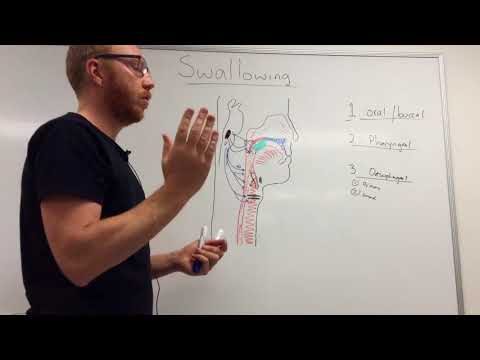
So, let’s break it down. Swallowing has three main phases: oral, pharyngeal, and esophageal. Each part plays a crucial role in making sure your food gets to where it needs to go.
The Oral Phase happens first. When you take a bite of your favorite food, your teeth start working on it, breaking it down into smaller bits. While you’re chewing, saliva mixes with the food to make it easier to swallow. It’s a bit like turning solids into mushy stuff that slides down easily. Once you feel ready, your tongue pushes the food towards the back of your mouth—this is where the fun begins!
Next up is the Pharyngeal Phase. Here comes the tricky part! As soon as food hits the back of your throat, several important things happen all at once:
- Your soft palate lifts up to close off the nasal passage.
- Your epiglottis (a little flap!) folds down over your windpipe so that food doesn’t go down the wrong pipe.
- The muscles in your throat contract rhythmically to push that food downwards.
All this happens super fast—like faster than you can say “swallow”!
Finally, we reach the Esophageal Phase. This phase kicks off when he food gets into your esophagus—the tube connecting your throat to your stomach. This part involves more muscle action called peristalsis. Think of it like waves moving through the tube. The muscles squeeze and relax in a coordinated way to push that delicious morsel all the way down into your stomach for some serious digestion.
Oh! And here’s something random but kind of funny—ever tried talking while eating? Yeah, don’t do that! Your body prioritizes swallowing over anything else important at that moment.
Swallowing is an amazing example of how intricately our body works without us having to think about every step involved. Plus, it’s got this awesome mix of voluntary actions (like choosing what to eat) and involuntary ones (the automatic muscle movements). Who knew something so simple could be so complex?
In short: when you enjoy a meal, remember there’s a team of muscles working hard behind the scenes for you! Isn’t our body just incredible?
Exploring the Physiology of Swallowing: A Comprehensive Study of the Science Behind the Process
Swallowing might seem like a simple thing, right? You eat something, chew it up, and swallow. Pretty straightforward. But behind this everyday act lies an intricate process that’s more complex than you might think. So let’s break it down.
When you put food in your mouth, it triggers a series of reactions. This whole swallowing thing starts in your mouth when food mixes with saliva. Saliva helps break down food and makes it easier to swallow. It’s kind of like softening up a tough piece of bread before you try to swallow it whole—you wouldn’t want to choke on that!
Once you chew the food into smaller bits, your tongue plays a major role. It gathers the chewed-up food into what’s called a bolus—a fancy word for the mushy ball of food ready to go down the hatch! Your tongue then pushes the bolus towards the back of your throat.
Now here comes where things get interesting! As soon as that bolus reaches the back of your throat, a reflex kicks in. This part is controlled by a bunch of nerves and muscles working together seamlessly. The moment the bolus hits that spot—called the oropharynx—your body goes into action.
So what happens next? Well, let’s say your epiglottis—the flap that covers your windpipe—closes off your airway to prevent choking or food going down the wrong pipe. It’s like having an automatic door that prevents access while letting only one type of traffic through at a time!
Then there’s this powerful wave-like motion called peristalsis that gets things moving down your esophagus—the tube connecting your throat to your stomach. Imagine squeezing toothpaste out of its tube; that’s kind of how peristalsis works! Muscles contract in sequence to push the bolus downward until it reaches your stomach.
Now here’s where I get all sentimental: Think about all those family dinners you’ve had over the years. Meals filled with laughter and stories shared—those moments wouldn’t be quite as enjoyable if we couldn’t neatly swallow our delicious meals without thinking about them too much!
And speaking about enjoyment, did you know we can also experience taste while swallowing? As we swallow, taste buds play their part even though our mouths aren’t open wide anymore. This enhances flavor perception during meals—a little reminder from our bodies about how important eating can be for joy and survival.
It doesn’t end there, though! Once in your stomach, digestion is just getting started, and enzymes join in to do more breaking down before nutrients are absorbed into your bloodstream.
But here is something cool: If you’re ever feeling nervous or anxious during mealtime (like when you’re at an awkward dinner party), stress can affect how well this whole process works—making swallowing feel like a bigger chore than usual!
To wrap this up nicely: Swallowing is not just about gulping down some grub; it combines muscle coordination, nerve signals, and even emotional experiences tied to eating together. Next time you enjoy a meal with friends or family around the table… take a moment to appreciate just how amazing and intricate this process really is!
Comprehensive Overview of Swallowing Physiology: Insights and Mechanisms in Human Anatomy
Sure thing! Let’s chat about swallowing physiology in a fun and simple way, alright?
Swallowing is this amazing, complex process that we often take for granted. You probably don’t even think about it when you gulp down your favorite smoothie or scarf down a pizza slice. But seriously, there’s so much going on. Here’s the lowdown.
The Phases of Swallowing
Swallowing can be broken down into three main phases:
- Oral Phase: This is where it all starts! You chew your food, mix it with saliva (yeah, that helps!), and form it into a little ball called a bolus. Your tongue then pushes that bolus to the back of your mouth.
- Pharyngeal Phase: Once that bolus hits the back of your throat, things get real. Signals are sent to your brain to automatically close off your windpipe to prevent choking. Cool, huh? At the same time, muscles contract to push the bolus down towards your esophagus.
- Esophageal Phase: Now you’re in the clear! The bolus travels through your esophagus—this tube leading to your stomach—thanks to waves of muscle contractions called peristalsis. And boom! It lands safely in your tummy.
Muscles At Work
The muscles involved in swallowing are pretty impressive. Think about them like a well-orchestrated dance team.
During swallowing:
- Your tongue does a lot of heavy lifting; it’s like the quarterback!
- The soft palate rises up to seal off your nasal cavity—no food up the nose!
- Your pharyngeal muscles tighten up to push that bolus along.
It’s wild how all these movements happen so quickly and smoothly. One moment you’re chewing, and by the next gulp, it’s all gone!
Nervous System Coordination
Now let’s talk about how all this action is coordinated by your nervous system. The brain plays a crucial role here!
When you swallow:
- Your brain sends signals through cranial nerves that control movement in various parts of your mouth and throat.
- This communication ensures everything happens at just the right moment—like synchronizing a complex music piece where every note counts.
The thing is, if anything goes wrong with this nervous system coordination – like after an injury or with certain diseases – swallowing can become difficult or even dangerous.
The Role of Saliva
You can’t forget good ol’ saliva—it’s not just spit! It plays several important roles in swallowing:
- Lubrication: Saliva helps moisten food for smoother swallowing.
- Tastiness: It helps dissolve food particles so you can actually taste what you’re eating!
- Antimicrobial Action: Saliva has proteins that combat harmful bacteria keeping things clean as you swallow.
Without saliva doing its job, swallows would be much more challenging.
Anecdote Time!
I remember one time I was so excited about trying out this spicy new dish I saw online. But when I took that first bite—it was way hotter than I expected! My brain went into overdrive sending signals like crazy as I rushed to gulp down water. That reaction was my own body working hard with its amazing swallowing mechanisms trying to save me from embarrassment—or worse!
So yeah, now next time you enjoy a meal or drink something refreshing; remember there’s more happening than meets the eye! Swallowing is this finely-tuned physiological marvel that’s totally essential for our everyday lives.
In short, if we think about how extraordinary our bodies are every time we eat or drink something—we can appreciate how everything works together beautifully in such harmony!
You know, swallowing is one of those things we do without even thinking about it. Like, we’re eating, and suddenly—poof!—that food just disappears down our throats. But when you really stop and think about it, there’s a whole world of science behind how we manage to do this everyday action.
First off, let’s get into the nitty-gritty of it. Swallowing isn’t just a simple gulp. It actually involves a complex coordination of muscles and nerves. When you take a bite of your sandwich, for example, your brain sends signals to the muscles in your mouth and throat to start working together in perfect harmony. It’s like an incredible dance that happens in mere seconds!
I remember one time I was so caught up in a conversation while eating that I nearly forgot to swallow my food properly. It was kind of embarrassing when I started laughing and ended up with half-chewed bread stuck in my throat! Not fun, right? But that little moment made me realize how crucial our body’s mechanics are during something so routine.
So here’s how it works: there are three main stages to swallowing—oral, pharyngeal, and esophageal. The oral phase happens when you chew your food and mix it with saliva, creating what we call a bolus—fancy word for the gooey ball of chewed food! Then comes the pharyngeal phase where things get really interesting: the bolus gets pushed into your throat. Your body instinctively closes off the airway so you don’t choke on it—which is super important if you ask me!
Finally, there’s the esophageal phase where the bolus travels down through a tube called the esophagus toward your stomach. This is all done through rhythmic contractions known as peristalsis—a fancy term for muscle waves that push things along.
But have you ever thought about what happens when something goes wrong? Disorders like dysphagia can make swallowing painful or even impossible for some folks. It’s pretty wild to consider how much we rely on this simple action every day without really realizing its complexity until something disrupts it.
Swallowing might seem like no big deal since we’ve done it forever, but understanding its science can make us appreciate our bodies even more. Each meal becomes not just fuel but also a reminder of how coordinated and miraculous our physiology is—and honestly? That’s pretty cool! So next time you’re munching away on some snacks while watching TV, take a moment to think about all those little processes happening inside you—it’s kind of magical, don’t you think?