Ever looked up at the night sky and thought, “Wow, that’s a lot of stars”? I mean, it’s easy to get lost in space. Just the other day, I was trying to count how many planets we have in our solar system—ended up losing track and accidentally counted my neighbor’s cat.
But seriously, planetary science is kind of like a treasure hunt. You’ve got planets, moons, asteroids—you name it! Each one has its own story. Some are fiery hot while others are icy cold. Imagine chilling on a giant rock that’s floating in space!
It’s wild to think about how much is out there waiting for us to discover. So grab your favorite snack and let’s embark on this journey together. Trust me; you’ll see our universe in a whole new light!
Exploring the Wonders of Planetary Science: A Cinematic Journey into the Cosmos
Planetary science is like this magical lens into our solar system, helping us understand not just the planets, but also moons, asteroids, and comets. If you’re into exploring the cosmos, you’re in for a treat! It’s not just about stargazing; it’s about piecing together stories that span billions of years.
When you think about planetary science, imagine being on a cosmic **road trip**. Each planet is like a different stop along the way. For example, Venus is often called Earth’s twin because they’re similar in size and composition. But don’t be fooled! Venus has a super thick atmosphere with clouds of sulfuric acid—like a nasty sauna—making it around 900 degrees Fahrenheit at the surface. Ouch!
Now let’s talk about Mars. The Red Planet has this rugged landscape with canyons and volcanoes that make it look totally alien. Curiosity, a nifty rover we sent there, is digging up dirt and sending back awesome selfies. It helps us learn if Mars might’ve had water—a crucial ingredient for life—billions of years ago.
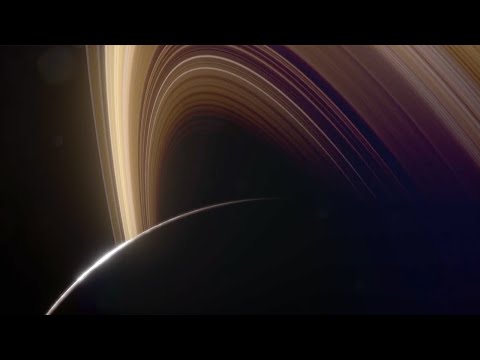
But hold on! It’s not just the rocky planets. Gas giants like Jupiter are wild too! Picture this gigantic ball of gas with storms bigger than Earth—like the Great Red Spot that’s been swirling for centuries! Isn’t that mind-blowing? And then there are Saturn’s rings, which are mostly made of ice and rock particles, creating a beautiful spectacle.
Also, we can’t forget about those small but mighty celestial bodies like asteroids and comets. Comets are kind of like cosmic snowballs made of ice and dust that light up when they get close to the Sun—not your average backyard snowball fight!
Here are some key points:
- The study of planetary science helps us understand:
- The formation of our solar system.
- The potential for life on other planets.
- The history of Earth’s climate through comparisons.
- Cinematic portrayals: Movies like “Interstellar” or documentaries showcasing missions to other worlds give an exciting view into these wonders.
- Missions: Spacecraft like Voyager have traveled far beyond Mars to explore outer planets and send back incredible data.
One emotional moment that stands out? When Voyager 1 snapped its famous “Pale Blue Dot” photo from billions of miles away—showing Earth as just a tiny speck in the vastness of space. It really puts things into perspective.
You see, as we continue exploring these remarkable celestial bodies through both robotic missions and even human space travel in the future, we’re only scratching the surface. Planetary science opens up endless possibilities and questions about our place in this vast universe.
So yeah, whether you’re dreaming about Mars colonization or just staring at stars from your backyard, remember: each planet tells a story waiting to be uncovered!
Discover Engaging Earth Science Videos: Explore Our Planet’s Wonders
So, you’re curious about Earth science videos? Awesome! There’s a whole world of engaging content out there that can spark your interest in the planet we live on. You know, our Earth is pretty incredible. From towering mountains to raging oceans, each part of our planet tells a story.
What is Earth Science?
Earth science, in simple terms, is all about studying the Earth and its processes. This includes everything from geology to atmospheric sciences. It’s fascinating how interconnected these systems are!
Why Videos?
Videos make learning super dynamic and fun. Seriously! They bring concepts to life in ways that textbooks sometimes can’t match. Imagine watching a volcano erupt or seeing tectonic plates shift—much cooler than just reading about it!
Where to Find These Videos:
You can explore various platforms for engaging Earth science videos:
- YouTube: This platform has tons of channels dedicated to Earth science. Channels like “PBS Eons” and “National Geographic” offer amazing visuals and storytelling.
- Documentary Services: Look for streaming services that have documentaries focused on earth sciences, like “Our Planet” on Netflix—it’s visually stunning!
- Educational Websites: Sites like NASA’s education page feature videos about space and Earth’s atmosphere.
I remember once watching a time-lapse video of glacier melting—it was both beautiful and heartbreaking at the same time! It really made me think about climate change in a personal way.
The Types of Content:
The variety of content within these videos is vast:
- Natural Disasters: Videos showing hurricanes, earthquakes, or tsunamis allow you to see their impacts up close.
- Biodiversity: Clips showcasing ecosystems highlight the diverse forms of life on our planet.
- The Universe Beyond Us: Many videos also touch on how Earth’s systems relate to broader planetary science.
When you watch these videos, you’re not just passively observing; you’re actively engaging with content that explains how things work—like understanding why ocean currents are crucial for climate regulation.
The Importance of Visual Learning:
Humans are visual creatures by nature. Think back—remember that moment in school when you saw a diagram or watched an experiment? Those moments stick with us! Videos combine visuals with sound, making it easier to absorb information.
So next time you’re scrolling through your feed or looking for something educational but entertaining, check out some of those Earth science videos. You might find yourself mesmerized by the wonders of our planet—and who knows? It could inspire you to learn even more about environmental issues or geosciences! Keep exploring; there’s so much more waiting for you!
Exploring the Solar System: Engaging Space Planet Videos for Kids
So, you’re curious about delving into our Solar System and maybe finding some fun videos for kids, huh? That’s awesome! The Solar System is not just a bunch of floating rocks and gas—it’s like a big playground with loads of mysteries waiting to be discovered. Let’s explore what makes this cosmic journey so captivating.
First off, **our Solar System includes eight major planets** that orbit the Sun. Each one is unique in its own way. For instance, Jupiter is the biggest and has a giant storm called the Great Red Spot. It’s like a hurricane that’s been raging for hundreds of years! If you watch a video about it, you can actually see how massive that storm is compared to Earth. Isn’t that mind-blowing?
Then there’s Saturn with its stunning rings. Imagine you’re flying in space and zoom past those beautiful ice particles and rocky bits—they’re really cool to see! Videos showcasing Saturn often use animations that give you an idea of what it would be like to fly through those rings.
Now, let’s talk about Mars—our neighbor that’s often called the “Red Planet.” There are some thrilling videos out there showing rovers like Curiosity and Perseverance exploring the Martian surface. You’ll feel like you’re right there on Mars, picking up rocks and analyzing soil samples!
When looking for engaging videos, check out channels that focus on space education for kids. They usually have fun animations, colorful graphics, and lively narrations to grab attention. **You’ll want to look for**:
- Animation Channels: These often create visual stories around planets or space missions.
- Documentary Series: Some channels make mini-documentaries that dive deep into specific topics.
- Interactive Learning: Videos where kids can ask questions or do simple experiments related to what they’ve learned.
One cool aspect of engaging kids with these videos is how they spark curiosity. I remember when I was a kid—I watched a video showing an astronaut doing spacewalks outside the International Space Station (ISS). My eyes were glued to the screen! It made me want to know everything about what life was like in space.
And don’t forget about Pluto! Even though it’s classified as a “dwarf planet” now, many still love exploring its mysteries through video content. Some channels have nifty graphics showing how Pluto orbits far away from us—and you can see just how cold it really is out there!
In addition to planets, we’ve got moons, asteroids, and comets adding even more excitement. Have you ever seen videos showcasing how comets are formed? They often show icy bodies zooming through space; it makes you realize just how dynamic our Solar System is!
Exploring **the wonders of planetary science** through engaging videos can inspire not only curiosity but also creativity in kids’ minds. They start pondering questions like: “What if we lived on another planet?” or “How do spacecraft get so far?” Those wonderings can lead them down exciting paths of discovery.
So yeah, diving into these engaging resources will surely make learning about our Solar System not just educational but also super entertaining for kids!
You know, thinking about planetary science really takes me back to those late-night conversations with friends, all sprawled out on a blanket under the stars. We’d gaze up, trying to decipher the constellations while sharing wild theories about what might be swirling around out there. It’s super mind-boggling when you start to think about it—like each planet in our solar system has its own story, its own vibe.
Just picture this: you’ve got Jupiter, the big guy with its swirling storms and that massive Great Red Spot that’s been raging for centuries. I mean, what would it be like to visit a place like that? The clouds there could swallow Earth whole! And then there’s Saturn. Those rings… they’re not just pretty decorations; they’re made up of chunks of ice and rock. Can you imagine skating on ice that’s billions of years old?
The thing is, planetary science isn’t just about cool facts; it’s also about piecing together the history of our universe. Take Mars, for instance. There’re signs it once had liquid water flowing on its surface—a sign that maybe life could’ve existed there at some point! That thought sends chills down your spine, right? Just the possibility that life could have thrived somewhere else is so exciting.
But we can’t forget about exoplanets! Seriously, there are thousands of these little worlds circling other stars out there in our galaxy alone. Some are in “the Goldilocks zone,” where conditions might be just right for life as we know it—or maybe something totally different! Imagine finding a planet where things are completely alien—like plants that glow or creatures with colors we never even dreamed of.
Reflecting on all this brings up so many questions. When we look at these celestial neighbors, what do we really want to know? Are we searching for answers about ourselves or looking for something bigger than us? Personally, I feel like studying these distant worlds brings us closer together here on Earth because it reminds us how tiny we really are in this vast cosmos.
So yeah, dive into planetary science if you can—it’s like an endless adventure filled with mysteries waiting to be uncovered! Each discovery is like opening a new gift from the universe; who knows what kind of wonders will come next?